Key takeaways
- Schedule defrosting for a dry, breezy morning; humid, still air slows evaporation and reintroduces moisture as you work.
- Keep a plastic putty knife or silicone spatula in your patio drawer as your only scraping tool, and store your defrost spray beside it.
- Slip a folded towel along the bottom lip of the cabinet to wick water toward your drip pan instead of over the threshold.
- After reassembly, run a dollar bill test on the gasket: if it slides out with no resistance anywhere along the perimeter, the seal needs replacing.
What's inside
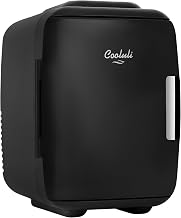
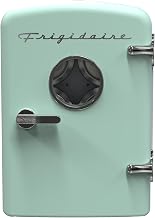
A mini fridge living under a covered patio, tucked into a grill island, or humming away in a screened porch works considerably harder than the one in a dorm room. Every time humid outdoor air rolls across that little evaporator plate, moisture condenses and freezes. Within a season you can end up with a knuckle-thick rind of frost that steals shelf space, muffles the door seal, and pushes the compressor into near-constant duty. Frost is not just cosmetic; a quarter inch of it measurably drives up run time and energy draw, and it is the leading reason outdoor beverage centers die young.
The good news is that defrosting a compact fridge is a 60-to-90-minute job you can do between mowing and dinner, with no tools that could puncture the cooling lines. Below I walk through how frost actually forms in outdoor settings, the prep that keeps meltwater off your decking, when a defrost spray genuinely earns its keep versus plain patience, and the drying and resealing steps most people skip. Do it right and the same unit that struggled last August will pull down to temperature quietly again.
As an Amazon Associate we earn from qualifying purchases.


Know Why Outdoor Units Frost So Quickly
Frost is airborne humidity that has landed on the coldest surface inside the cabinet. Indoors, that trickle is slow. On a lakeside deck or in an unconditioned garage, the dew point is high, the door gets opened by damp hands and wet swimsuits, and warm air rushes in with every grab for a cold drink. Add a gasket that has stiffened from UV exposure and you have a machine ingesting moisture all day. If you find yourself defrosting more than twice a season, the fix is usually upstream: relocate the unit out of direct sun, improve airflow behind it, and check the door seal before blaming the compressor.
Prep Before You Pull the Plug
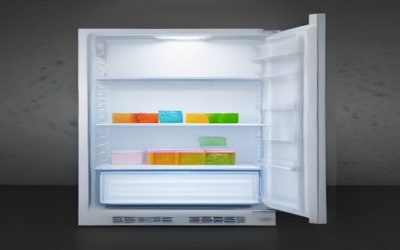
Empty the cabinet completely and stage cold items in a cooler with ice packs. Unplug the fridge at the outlet rather than flipping a breaker, and if the unit is plumbed into an ice maker or water dispenser, shut off the supply valve. Slide the fridge away from walls so you can open the door fully, and lay down old towels plus a shallow pan or baking sheet under the door line. On composite or wood decking, a plastic drip tray is worth the two minutes; standing meltwater leaves marks and can seep into board seams. Remove shelves and bins now, while they are still easy to lift out.
Choose Your Melt Method
Open-door air thawing is the safest approach and costs nothing. In warm outdoor temperatures a light frost layer surrenders in 30 to 45 minutes; heavier buildup takes two hours or more. To speed it up, set a bowl of hot tap water inside on a trivet and close the door for 10 minutes at a stretch. A small fan aimed into the cabinet also helps considerably. What you should never do is attack the ice with a screwdriver, knife, or ice pick, or point a heat gun at the interior. Evaporator tubing sits just behind thin aluminum, and one puncture ends the fridge’s life.
Chemical defrosters are the sensible middle ground when you want the job done fast without heat or force. Products like the Freezer Defroster Spray two-pack, the compact 120 ml Fridge Defrosting Spray, or the 4 oz Defrost Spray for Fridge and Freezer are designed to break the bond between ice and metal so sheets slide off in one piece instead of melting slowly from the surface inward. Spray, wait the interval on the label, then lift the loosened plate away with a plastic scraper or gloved hand. A two-pack such as the 2PCS Refrigerator Defrosting Deicer Spray is convenient if you keep a second fridge in the garage or on a boat. For units where the trouble is a frozen supply line rather than cabinet frost, an Unfreeze Water Line Tool with its long small-diameter hose reaches into the dispenser line and clears the plug without disassembly.
Dry, Reseal, and Restart Properly
Once the ice is gone, wipe every interior surface with a mild solution of baking soda and warm water, then dry it thoroughly with a microfiber cloth. Residual moisture is the seed for the next frost cycle. Pay attention to the drain channel at the back of the compartment and the gasket folds, where water hides. Wipe the gasket dry and give it a thin coat of food-safe silicone or petroleum jelly to keep it supple in outdoor temperature swings. Plug the unit back in, let it run empty for 20 to 30 minutes to reach temperature, and only then reload food and drinks.
Tips
- Schedule defrosting for a dry, breezy morning; humid, still air slows evaporation and reintroduces moisture as you work.
- Keep a plastic putty knife or silicone spatula in your patio drawer as your only scraping tool, and store your defrost spray beside it.
- Slip a folded towel along the bottom lip of the cabinet to wick water toward your drip pan instead of over the threshold.
- After reassembly, run a dollar bill test on the gasket: if it slides out with no resistance anywhere along the perimeter, the seal needs replacing.
Frequently Asked Questions
How often should an outdoor mini fridge be defrosted?
Check monthly during humid months and defrost whenever frost reaches about a quarter inch, roughly the thickness of two stacked coins. Many patio units need it two or three times per season, versus once a year indoors.
Are defrost sprays safe for food compartments?
Reputable formulas are made for interior use, but always wipe surfaces down with clean water afterward and let the cabinet air out before reloading. Follow the contact time on the label and avoid overspraying into vents.
Can I leave the fridge running while I defrost it?
No. Running the compressor with the door open wastes energy, stresses the motor, and refreezes meltwater on the coil. Unplug it for the duration.
Why does frost keep coming back within weeks?
Usually a compromised door seal, a blocked drain hole, or a thermostat set colder than necessary. Try a mid-range setting, clear the drain, and confirm the door closes flush before assuming the unit is failing.
Conclusion
Defrosting is the single highest-return maintenance task for a compact fridge that lives outdoors: it restores capacity, quiets the compressor, and trims energy use for the price of an hour and a towel. Pair patient air thawing with a quality defrost spray when you want speed, keep metal tools far away from the evaporator, and finish by drying and conditioning the gasket. That routine, repeated a couple of times a season, is what separates a patio fridge that lasts a decade from one you replace every third summer.