Key takeaways
- Pack lava rocks carefully; they diffuse the flame for an even glow but can rattle in transit, so secure them or store them separately.
- Bring a full and a spare tank for long trips, since a 60,000 BTU pit burns through propane faster than you expect.
- Set the pit on a stable, non-flammable surface and keep it clear of tents, awnings, and dry brush.
- Let it cool fully before packing the cover and loading it, to protect both the pit and your gear.
A portable propane fire pit delivers the warmth and ambiance of a campfire without the sparks, smoke, or hassle of hauling wood, and crucially, without falling foul of the fire bans that shut down wood fires during dry season. That combination has made them a staple for campers, RVers, and tailgaters who want a flame at the turn of a knob. But models vary in size, heat output, and portability, and the wrong pick is either too heavy to pack or too weak to warm a circle of chairs.
This buying guide covers what matters when choosing a portable propane fire pit for camping and tailgating, from BTU output and bowl size to portability kits and smokeless design. Get these factors right and you will have instant, ban-friendly fire wherever you park or pitch.
Our top picks





As an Amazon Associate we earn from qualifying purchases at no extra cost to you.
⚡ Save on Your Next PC — Amazon Prime
Prime members get fast free shipping on the systems above, plus early access to Prime Day & Black Friday PC deals. New members get a 30-day free trial.
Watch: Buying Guide: Portable Propane Fire Pits for Camping and Tailgating — Video Review
Match BTU Output to Your Warmth Needs
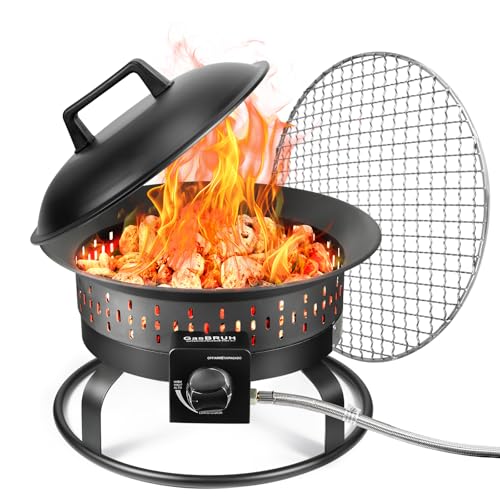
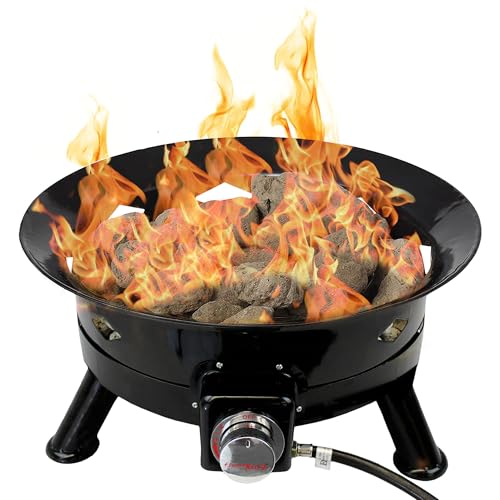
Heat output, measured in BTU, determines how well the pit warms a group. Most portable propane pits land between 55,000 and 60,000 BTU, enough to take the chill off a circle of campers. The Outland Living 893 Deluxe and Flame King models sit around 58,000 BTU, while several GasBRUH and GASFARGO pits reach 60,000 BTU for a bit more punch on cold nights. Higher BTU means more warmth but faster propane use.
Consider Bowl Size and Portability
Bowl diameter affects both flame size and pack size. A 19-inch bowl, common on the Outland Living, Ciays, and GasBRUH pits, gives a generous flame while staying luggable. For ultralight trips, a compact 12-inch model like the Concord Dragon’s Breath packs smaller, and a larger 24-inch Flame King throws a bigger flame for a base camp. Weigh how much space you have in the trunk or RV against how big a fire you want.
Look for a Complete Portability Kit
The features that make a pit truly travel-ready are a fitted cover, a carry strap or kit, and folding legs. The Outland Living Deluxe includes a cover and carry kit, the Ciays pit adds folding legs and a propane tank holder, and most GasBRUH models bundle a cover-and-carry kit. These extras protect the pit in transit and make setup and teardown quick at a campsite or tailgate.
Prioritize Smokeless and Safe Ignition
Propane burns cleaner than wood, and “smokeless” gas firebowls like the Outland and GasBRUH models keep smoke out of your eyes and clothes, a real advantage in a tight camp circle. A self-igniter, featured on the Flame King pit, lights the flame at the push of a button without matches. Look for a CSA or comparable safety listing and a regulator-and-hose set rated for a standard 20-pound tank.
Check Fire-Ban Compliance and Fuel Logistics
One of the biggest reasons to go propane is that many areas permit gas fire pits during wood-fire bans because they produce no embers. Confirm local rules before you travel. Also plan your fuel: most pits run off a standard 20-pound propane tank via the included hose, and some accept smaller canisters with an adapter, which is handy for backpacking or short tailgates.
Tips
- Pack lava rocks carefully; they diffuse the flame for an even glow but can rattle in transit, so secure them or store them separately.
- Bring a full and a spare tank for long trips, since a 60,000 BTU pit burns through propane faster than you expect.
- Set the pit on a stable, non-flammable surface and keep it clear of tents, awnings, and dry brush.
- Let it cool fully before packing the cover and loading it, to protect both the pit and your gear.
Frequently Asked Questions
Are propane fire pits allowed during fire bans?
Often yes, because propane pits produce no flying embers, many jurisdictions permit them when wood fires are banned. Rules vary, though, so always confirm with the specific campground or local fire authority before lighting up.
How long does a propane tank last in a fire pit?
A standard 20-pound tank typically runs a 58,000 to 60,000 BTU pit for several hours, though running at full flame shortens that. For long camping trips, carry a spare tank so you are not left cold when the first runs out.
Are portable propane fire pits actually smokeless?
Propane burns far cleaner than wood, so gas firebowls marketed as smokeless produce essentially no smoke, keeping it out of your eyes and off your clothes. This is one of their biggest advantages in a tight camp or tailgate setting.
What size propane fire pit is best for camping?
A 19-inch bowl balances a generous flame with a packable size and suits most camping and tailgating. Go smaller, around 12 inches, for ultralight or backpacking trips, and larger, up to 24 inches, for a base camp where pack size matters less.
Conclusion
The best portable propane fire pit for camping and tailgating pairs adequate BTU output with a packable bowl, a complete carry kit, and clean smokeless ignition. Around 58,000 to 60,000 BTU in a 19-inch bowl with a cover and carry strap hits the sweet spot for most travelers, while ultralight and base-camp needs push you smaller or larger. Confirm fire-ban rules, plan your propane, and you will have instant, portable warmth wherever the road takes you.