Key takeaways
- Unmatched Low Maintenance: With composite, you can throw away your stains, sealers, and sanders. Modern capped composites, such as the premium NewTechWood UltraShield Naturale 1 ft. x 1 ft. Composite Deck Tiles (priced around $68.67 for a 10-pack), feature a protective polymer shell. This shield prevents wine, grease, and pet accidents from soaking into the core, requiring nothing more than a quick rinse with a garden hose to look brand new.
- No Splinters or Cracks: Because composite is a homogeneous blend of recycled plastics and wood fibers, it does not dry out, check, or split. This makes it incredibly safe for children, pets, and anyone who loves walking barefoot across the patio.
- Color Longevity: High-quality composite tiles are manufactured with advanced UV inhibitors. While natural wood turns a weathered silvery-gray within a single season of sun exposure, composite retains its rich, deep hues for a decade or more.
- Moisture and Pest Resistance: Composite tiles do not absorb water in the way natural wood does. They will not rot, host wood-boring insects, or harbor mold colonies in damp, shady corners.
If you are looking to rescue a drab concrete condo balcony, upgrade an aging wooden patio, or lay down a clean pathway in your backyard, interlocking deck tiles are the ultimate weekend DIY hack. They snap together without joists, framing, adhesive, or professional contractor fees. However, as you browse your options, you will quickly find yourself at a classic crossroads: composite deck tiles vs pressure treated wood tiles.
This decision is about more than just aesthetics. It affects how much time you will spend scrubbing your patio on hands and knees, how hot the surface will get under the summer sun, and how many years the tiles will survive before they begin to warp, crack, or splinter. Wood options bring undeniable organic warmth and a lower initial cost, while composite alternatives promise a set-it-and-forget-it lifestyle. In this guide, we will break down the structural, financial, and practical realities of both materials to help you make the right investment for your outdoor space in 2026.
Our top picks


As an Amazon Associate we earn from qualifying purchases at no extra cost to you.
Quick Verdict
For most homeowners and renters, composite deck tiles are the superior choice due to their near-zero maintenance, resistance to rot, and lack of splinters. However, if you are working with a tight budget, prefer the authentic feel of real wood, or have a shaded outdoor area that will not bake in direct sunlight, pressure-treated or naturally rot-resistant wood tiles are an excellent, highly cost-effective alternative.
Side by Side
To understand the fundamental trade-offs between composite deck tiles vs pressure treated wood tiles, let us compare their core specifications, physical properties, and ownership characteristics side by side.
| Feature | Composite Deck Tiles | Pressure Treated / Treated Wood Tiles | |
|---|---|---|---|
| Material Composition | Recycled wood fibers mixed with high-density polyethylene (HDPE) plastic. | Pressure-treated pine or naturally dense, treated hardwoods (like Acacia). | Typically 12 in. x 12 in. (1 ft. x 1 ft.) with a thickness of 0.75 to 1.1 inches. |
| Comfort Underfoot | Smooth, splinter-free; can get quite hot in direct, unshaded sunlight. | Soft, natural feel; stays cooler in the sun but carries a risk of splinters over time. | |
| Durability & Lifespan | 10 to 15+ years; highly resistant to insect damage, rot, mold, and warping. | 5 to 10 years; susceptible to weather checking, cracking, and decay if unsealed. | |
| Price Range | $6.50 to $12.00 per square foot. | $3.50 to $6.00 per square foot. | |
| Maintenance Required | Virtually none; occasional hose-down with mild soap and water. | High; requires annual or biannual cleaning, sanding, and oiling or sealing. | |
| Clearance Needed | Low profile (usually under 1 inch), easily clearing low-swinging patio doors. | Low profile (usually under 1 inch), but wood can swell slightly when wet. | |
| Visual Appeal | Modern, uniform color; engineered wood grain patterns. | Rustic, organic, unique grain variations; can be stained any color. | |
| Best For | Busy homeowners, sunny balconies, long-term installations, and pet owners. | Budget-conscious DIYers, renters, covered patios, and shaded yards. |
Where Composite Deck Tiles Wins
Composite deck tiles are engineered specifically to solve the historical pain points of natural outdoor wood. If your primary goal is to install a floor and never worry about its structural integrity again, composite is the clear winner.
- Unmatched Low Maintenance: With composite, you can throw away your stains, sealers, and sanders. Modern capped composites, such as the premium NewTechWood UltraShield Naturale 1 ft. x 1 ft. Composite Deck Tiles (priced around $68.67 for a 10-pack), feature a protective polymer shell. This shield prevents wine, grease, and pet accidents from soaking into the core, requiring nothing more than a quick rinse with a garden hose to look brand new.
- No Splinters or Cracks: Because composite is a homogeneous blend of recycled plastics and wood fibers, it does not dry out, check, or split. This makes it incredibly safe for children, pets, and anyone who loves walking barefoot across the patio.
- Color Longevity: High-quality composite tiles are manufactured with advanced UV inhibitors. While natural wood turns a weathered silvery-gray within a single season of sun exposure, composite retains its rich, deep hues for a decade or more.
- Moisture and Pest Resistance: Composite tiles do not absorb water in the way natural wood does. They will not rot, host wood-boring insects, or harbor mold colonies in damp, shady corners.
Where Pressure Treated Wood Tiles Wins
Despite the technological advantages of composite, natural wood tiles—ranging from pressure-treated pine to chemically treated or naturally dense hardwoods like Acacia—remain immensely popular. They offer distinct advantages that synthetic materials simply cannot replicate.
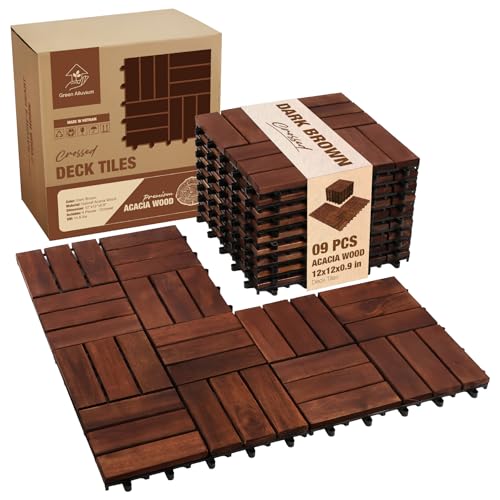
- Lower Upfront Costs: Wood tiles are significantly friendlier to your wallet. For example, options like the DECKIFY 9-Piece Acacia Wood Interlocking Deck Tiles, Golden Teak Crossed (priced at $39.99) or standard Acacia Wood Interlocking Deck Tiles, Patio & Backyard Tile, 12 in, 9 PCS (also priced at $39.99) cover 9 square feet for a fraction of the cost of premium composites. This lower entry price makes large-scale transformations highly accessible.
- Thermal Performance: Wood is a natural insulator. In the peak of summer, when composite tiles can absorb heat and become uncomfortably hot to the touch, wood tiles remain relatively cool and comfortable to walk on.
- Aesthetic Authenticity: No matter how advanced composite manufacturing becomes, it cannot perfectly replicate the unique grain structures, knots, and organic warmth of genuine wood. Wood tiles also offer a distinct, pleasant natural scent.
- Customizability: If you tire of your deck’s look after a few years, wood tiles can be sanded down and stained a completely different color—from a light golden honey to a deep charcoal. Composite tiles cannot be painted or stained.
Cost Over 5 Years
When choosing between composite deck tiles vs pressure treated wood tiles, looking only at the retail price tag is a common mistake. You must factor in the cost of ownership over time. Let us calculate the projected expenses for a standard 100-square-foot outdoor space over a five-year period.
The Composite Option
If you purchase a high-end composite like the NewTechWood UltraShield Naturale 1 ft. x 1 ft. Composite Deck Tiles ($68.67 per 10-pack), you will need 10 packs to cover 100 square feet.
- Initial Purchase: $686.70
- Installation Tools: $0 (Snaps together by hand)
- 5-Year Maintenance (Soap, water, soft brush): ~$15.00
- Total 5-Year Cost: ~$701.70
The Wood Option
If you opt for a budget-friendly hardwood or treated wood tile like the DECKIFY 9-Piece Acacia Wood Interlocking Deck Tiles ($39.99 per 9-pack), you will need approximately 11 packs to cover 100 square feet (99 sq. ft. total coverage).
- Initial Purchase: $439.89
- Installation Tools: $0
- Maintenance Supplies (Wood cleaner, UV-blocking deck oil, brushes every 18 months): ~$120.00
- Your Labor Time: ~10 hours over 5 years
- Total 5-Year Cost: ~$559.89
The Takeaway: While wood tiles save you roughly $140 upfront, that financial gap narrows significantly over five years due to the ongoing cost of sealers and oils. If you value your weekend free time, the extra upfront cost of composite easily pays for itself in avoided labor.
Which One for Your Home
Small Apartment or Condo Balcony
If you live in a high-rise condo or apartment with a small concrete balcony, composite deck tiles are almost always the best choice. Balconies often experience intense, concentrated sunlight or wind-driven rain, and they lack the easy drainage of a backyard lawn. Composite tiles will not warp from standing water, and because you do not have to apply messy chemical stains or sealers over your neighbor’s lower balcony, maintenance is stress-free.
Active Family with Kids and Pets
For homes with busy backyards, crawling toddlers, and running pets, composite deck tiles are the safest bet. Pressure-treated wood and natural hardwoods will eventually weather, crack, and produce tiny splinters that can pierce paws and bare feet. Composite provides a completely splinter-free surface, and its non-porous nature means pet accidents or spilled juices can be wiped away without leaving permanent stains or odors.
Rental Property
If you are renting your home and want to spruce up an ugly concrete patio without investing a fortune in a property you do not own, go with treated wood tiles, such as the Acacia Wood Interlocking Deck Tiles, Patio & Backyard Tile, 12 in, 9 PCS ($39.99). They are highly affordable, look incredibly charming, and can be easily uninstalled and packed into boxes when your lease is up.
Long-Term Single-Family Home
If you own your home and plan to enjoy your outdoor space for the next decade, invest in composite deck tiles. They act as a permanent upgrade to your property, boosting visual appeal and resale value without adding a recurring chore to your spring home-maintenance checklist.
FAQ
Do interlocking deck tiles need a flat surface?
Yes. Both composite and wood interlocking tiles require a flat, solid, and well-draining surface to perform correctly. They are designed to be laid over flat concrete, old wood decking, stone patios, or hard-packed gravel. Laying them directly over uneven dirt, grass, or deep sand will cause the interlocking plastic loops to unclip, buckle, or break under foot traffic.
Can you leave composite and wood deck tiles out during winter?
Yes, both types of tiles can withstand winter weather, but they require different levels of care. Composite tiles are highly resistant to freeze-thaw cycles because they do not absorb moisture. Wood tiles, however, can absorb water which then expands as it freezes, potentially causing cracks. If you live in an area with harsh winters and heavy snow, it is highly recommended to sweep wood tiles clean before the first freeze or store them indoors if installed in a highly exposed area.
Do wood deck tiles get hotter than composite tiles in the sun?
No. Actually, composite tiles tend to retain and radiate more heat than natural wood tiles. Because composites contain plastic polymers, they absorb solar energy quickly. If your deck or balcony faces south and receives direct, intense midday sun, wood tiles will feel cooler underfoot than dark-colored composite tiles.
How do you clean and maintain these tiles?
For composite tiles, simply sweep away loose debris and scrub occasionally with warm soapy water and a soft-bristled brush. For wood tiles, you should sweep them regularly to prevent leaves from rotting in the gaps. Additionally, wood tiles should be washed and treated with a thin coat of outdoor wood oil or UV-blocking sealer once a year to keep them from drying out, cracking, and turning gray.