Key takeaways
- Measure carefully: Confirm the platform’s length, width, corners, and surrounding clearance before ordering. RV “short queen” dimensions can differ from residential queen sizing.
- Match firmness to the sleeper: Side sleepers often appreciate cushioning at the shoulders and hips, while stomach and back sleepers may prefer stronger support and less sink.
- Consider ventilation: Breathable covers, open-cell foams, and hybrid construction can help manage heat in warm-weather camping, especially when the mattress sits on a solid deck.
- Check the height: A thicker mattress can feel more substantial, but it may interfere with overhead storage, bunk rails, slide-outs, or foldable mechanisms.
- Plan for installation: A compressed mattress is easier to carry into an RV, while a removable, washable cover is useful for muddy gear, pets, condensation, and everyday campsite wear.
What's inside
Choosing an RV mattress is rarely as simple as matching a bed size. Short-queen platforms, uneven bases, limited ventilation, and changing temperatures can make a standard home mattress feel bulky or uncomfortable on the road. A mattress that works in a bedroom may also be too tall for a slide-out, too soft for a thin bunk, or difficult to move through a narrow RV door.
This guide approaches the category from an outdoor-living perspective, focusing on fit, airflow, durability, pressure relief, and practical setup. The selections below are not an official Consumer Reports ranking; they are a focused buying guide for shoppers comparing mattresses suited to campers, trailers, bunk spaces, and mobile guest beds.
As an Amazon Associate we earn from qualifying purchases.



How to Choose a/an Consumer Reports Best Rv Mattress (2026)
- Measure carefully: Confirm the platform’s length, width, corners, and surrounding clearance before ordering. RV “short queen” dimensions can differ from residential queen sizing.
- Match firmness to the sleeper: Side sleepers often appreciate cushioning at the shoulders and hips, while stomach and back sleepers may prefer stronger support and less sink.
- Consider ventilation: Breathable covers, open-cell foams, and hybrid construction can help manage heat in warm-weather camping, especially when the mattress sits on a solid deck.
- Check the height: A thicker mattress can feel more substantial, but it may interfere with overhead storage, bunk rails, slide-outs, or foldable mechanisms.
- Plan for installation: A compressed mattress is easier to carry into an RV, while a removable, washable cover is useful for muddy gear, pets, condensation, and everyday campsite wear.
The Best Consumer Reports Best Rv Mattress (2026)s Reviewed
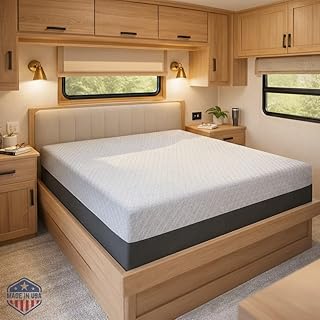
Celestial Sleep 10-Inch RV Short Queen Mattress
This medium-feel memory foam mattress is a well-rounded choice for an RV owner who wants residential-style cushioning in a compact footprint. Its cooling-focused construction, fiberglass-free design, and listed CertiPUR-US and OEKO-TEX certifications add appeal for sleepers who prioritize materials and indoor air quality.
Firm RV Mattress 10-Inch Dual-Sided
The flippable design gives this model unusual versatility: one side is medium-firm, while the other leans firmer. That adjustability can be valuable when two sleepers have different preferences or when an older RV platform calls for a more supportive sleep surface.
Short Queen 10-Inch RV Hybrid Mattress
With foam comfort layers over a spring-based support system, this hybrid is aimed at campers who dislike the deep, enveloping feel of all-foam mattresses. The combination can promote easier movement and shock absorption, making it a sensible option for couples and active sleepers.
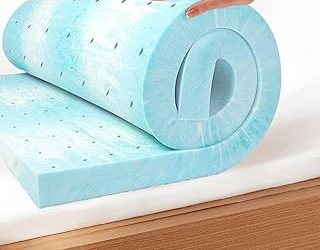
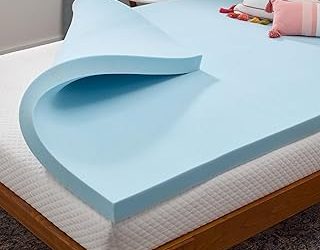
FoamRush 3-Inch Bunk RV Mattress Replacement
Designed for bunk replacements and low-clearance spaces, the FoamRush is a practical solution where a full-height mattress simply will not fit. Buyers can choose among foam and cover configurations, including gel memory foam or higher-density foam, to balance pressure relief, firmness, and budget.
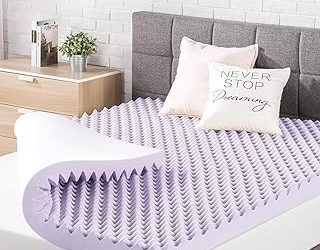
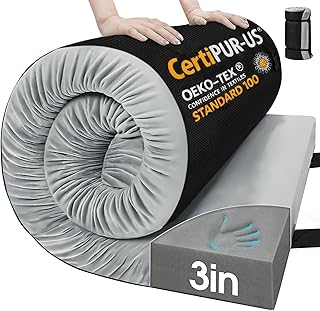
Memory Foam Camping Mattress Pad
This roll-up camping pad is better suited to flexible sleep arrangements than permanent RV bedrooms. Its non-slip bottom and portable format make it useful for a dinette conversion, cot, truck bed, tent, or occasional guest setup when storage space matters as much as cushioning.
Frequently Asked Questions
What mattress size is most common in an RV?
The short queen is one of the most common RV mattress formats, but dimensions are not perfectly standardized. Measure the actual platform rather than relying only on the label, particularly in older campers and custom conversions.
Is memory foam a good choice for camping?
Memory foam can provide excellent pressure relief and isolate movement, but it may retain heat and can feel slow to respond in cold weather. A breathable cover, ventilated base, and adequate airflow beneath the mattress can improve comfort.
How thick should an RV mattress be?
For a main sleeping area, 8 to 10 inches often offers a useful balance of support and comfort. Bunks, dinette conversions, and tight slide-outs may require a thinner 3- to 6-inch model to preserve headroom and safe clearance.
Should an RV mattress be replaced or added to with a topper?
A topper can refresh a serviceable mattress and fine-tune firmness at lower cost. However, it cannot correct severe sagging, poor support, water damage, or a mattress that is fundamentally the wrong size.
Final Thoughts
For a permanent short-queen bed, the Celestial Sleep 10-Inch model is a balanced starting point, while the dual-sided Firm RV Mattress offers the most flexibility for changing firmness preferences. For bunk rooms and multipurpose camping spaces, the low-profile FoamRush replacement or a roll-up memory foam pad is often the more practical choice.