Key takeaways
- Pressure washing. Anything over about 1,200 PSI or a nozzle closer than 2 feet fuzzes the surface, opens seams, and strips the finish.
- Hot water. Water above about 100 degrees can set some stains and relax the fabric tension. Lukewarm only.
- Machine washing or drying. The agitation frays hems and the heat shrinks panels; a canopy that shrinks 1 inch will not reach the rib tips.
- Bleach on the wrong fabric. Blends and printed polyester lose color instantly. Confirm solution-dyed acrylic before using it.
- Stiff brushes or abrasive pads. They pill the surface and leave a permanent fuzzy patch.
- Storing damp. Mildew starts in 48 hours inside a rolled canopy.
- Skipping the underside. Most mildew lives there.
What's inside
Acrylic umbrella canopies are the easiest outdoor fabric to clean and the easiest to ruin in the process. The fabric itself, whether solution-dyed acrylic on a premium umbrella or a lighter acrylic-blend on a budget canopy, tolerates soap, bleach, and scrubbing. What it does not tolerate is heat, high-pressure water at close range, and being folded up damp. A pressure washer held 6 inches away strips the water-repellent finish and frays seams. A trip through a hot dryer shrinks the panels so they never tension on the ribs again. Rolling a wet canopy closed grows mildew inside a week. Done right, cleaning takes about an hour and adds years to a canopy that costs $20 to $200 to replace.
What You Need
| Item | Why | Optional? |
|---|---|---|
| Soft-bristle brush (car wash or upholstery brush) | Loosens dirt without abrading the fibers | No |
| Bucket and garden hose with spray nozzle | Mixing and rinsing; a hose gives enough pressure without damage | No |
| Mild dish soap or a dedicated outdoor fabric cleaner | Lifts pollen, dust, and bird droppings; about 1/4 cup per gallon of water | No |
| Household bleach (for solution-dyed acrylic only) | Kills mildew; 1 cup per gallon of water with 1/4 cup soap | Yes, only for mildew |
| Spray bottle | Spot-treating stains and applying cleaner to the underside while the canopy is on the frame | Yes |
| Rubber gloves and eye protection | Bleach and concentrated cleaners | No, if using bleach |
| Fabric water-repellent spray | Restores the factory finish after cleaning; 1 can covers a 9 ft canopy | Yes, recommended every 1 to 2 years |
| Tarp or clean driveway | Working surface if you remove the canopy | Yes |
| Replacement canopy | For when the fabric is past saving; a 9 ft 8-rib cover starts around $20 | Yes |
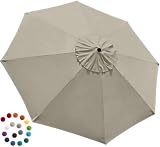
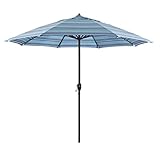
For reference on what you are protecting: a premium umbrella like the California Umbrella 12-Year Protection 9-Ft Outdoor Patio Umbrella with Sunbrella fade-resistant acrylic fabric lists at $205.81, and a budget replacement such as the EliteShade USA 9ft Replacement Covers 8 Ribs Market Patio Umbrella Canopy Cover in beige lists at $19.94. Cleaning is worth an hour at either price, but the bleach step applies only to true solution-dyed acrylic; check the label or the manufacturer’s care tag before using it on a blend.
As an Amazon Associate we earn from qualifying purchases at no extra cost to you. Product prices and availability are accurate as of the date shown and are subject to change.
Step-by-Step
1. Open the umbrella and knock off loose debris (5 minutes)
Fully open the canopy and brush the top with a dry soft brush, working from the crown outward. Leaves, pollen, and dried droppings come off far more easily dry than wet. Check the underside for cobwebs and wasp nests.
2. Decide: clean on the frame or remove the canopy (5 minutes)
Routine cleaning is easiest with the canopy open on the frame, since the ribs keep the fabric taut. Remove the canopy only for heavy mildew or when you need to soak it. Most canopies slide off after unscrewing the finial and unhooking the rib pockets; note the order for reassembly.
3. Rinse with the hose (5 minutes)
Wet the entire canopy top and bottom with a garden hose on a fan or shower setting. This floats off the fine dust so the brush is not grinding it into the weave.
4. Mix the cleaning solution (2 minutes)
For general dirt: 1/4 cup mild dish soap per gallon of lukewarm water. For mildew on solution-dyed acrylic: 1 cup household bleach plus 1/4 cup soap per gallon. Never exceed that bleach ratio, and never use it on acrylic-polyester blends or printed fabric.
5. Scrub in sections (15 to 25 minutes)
Work one panel at a time from the crown to the hem with the soft brush, using circular strokes. Let the solution sit 5 to 10 minutes on stained areas; for mildew, allow up to 15 minutes so the bleach can work. Do the underside as well; it collects more mildew than the top because it stays shaded and damp.
6. Spot-treat stubborn stains (5 to 10 minutes)
Bird droppings, tree sap, and sunscreen respond to a stronger spray of the same solution applied directly and worked with the brush. Sap sometimes needs a dab of rubbing alcohol on a cloth first. Do not use solvents, laundry pre-treaters with enzymes, or anything containing oil.
7. Rinse until the water runs clear (10 minutes)
Rinse thoroughly, top and bottom. Soap or bleach residue left in the fabric attracts dirt and can weaken thread over time. Hold the hose at least 2 feet from the fabric.
8. Air-dry fully open (2 to 4 hours)
Leave the umbrella open in sun and breeze until the fabric is completely dry to the touch on both sides, including the rib pockets and seams. Never close a damp canopy and never machine-dry it.
9. Reapply water repellent (15 minutes, optional)
Once dry, spray a fabric protector evenly across the top surface from about 8 inches away and let it cure for the time on the can, usually 4 to 6 hours. Cleaning removes some of the factory finish; this step restores beading and slows the next round of dirt.
Mistakes to Avoid
- Pressure washing. Anything over about 1,200 PSI or a nozzle closer than 2 feet fuzzes the surface, opens seams, and strips the finish.
- Hot water. Water above about 100 degrees can set some stains and relax the fabric tension. Lukewarm only.
- Machine washing or drying. The agitation frays hems and the heat shrinks panels; a canopy that shrinks 1 inch will not reach the rib tips.
- Bleach on the wrong fabric. Blends and printed polyester lose color instantly. Confirm solution-dyed acrylic before using it.
- Stiff brushes or abrasive pads. They pill the surface and leave a permanent fuzzy patch.
- Storing damp. Mildew starts in 48 hours inside a rolled canopy.
- Skipping the underside. Most mildew lives there.
How Often
Hose off the canopy monthly during the season to remove pollen and dust before they bond to the fabric. Do a full soap wash twice a season, at opening and again midsummer, or whenever the fabric looks dull. Treat mildew as soon as you see gray or black speckling; a week’s delay turns a 10-minute spot job into a full bleach wash. Reapply water repellent every 1 to 2 years, or when rain stops beading. Before winter storage, do a complete wash, dry fully, and store the canopy indoors off the frame or under a breathable cover.
When to Call a Pro or Replace
An upholstery or awning cleaning service, typically $50 to $120 for an umbrella, is worth it for a large 11- to 13-foot cantilever canopy that is heavy to handle, or for a premium acrylic canopy with mildew you have not been able to shift after two bleach washes. Replace the canopy when the fabric tears at the rib pockets, when stitching fails along more than one seam, when the fabric has thinned enough to see daylight through it, or when a bleach wash no longer removes the mildew shadow. Budget canopies in polyester or acrylic blends usually reach that point in 2 to 4 seasons; solution-dyed acrylic commonly lasts 8 to 12 years in 2026-grade weaves before it is worth replacing, and a new canopy costs a fraction of a new frame.
FAQ
Can I use bleach on an acrylic umbrella canopy?
Yes, on solution-dyed acrylic, at 1 cup of bleach per gallon of water with 1/4 cup of mild soap. The color is locked in the fiber and does not lighten. Do not use bleach on polyester blends or printed fabric.
How do I get mildew off a patio umbrella?
Apply the bleach-and-soap solution, let it sit 10 to 15 minutes, scrub with a soft brush, and rinse thoroughly. Do the underside too. Dry fully open before closing.
Can I put my umbrella canopy in the washing machine?
No. The agitation frays hems and stresses rib pockets, and any heat in drying shrinks the panels so they no longer fit the frame. Hand wash on the frame or on a tarp.
How do I keep the canopy clean longer?
Close it when not in use, hose it monthly, keep it away from overhanging trees and bird perches, and reapply a fabric water-repellent every year or two so dirt sits on the surface instead of soaking in.