Our Top Picks
 Banyan Botanicals Throat Soother Herbal Spray1 Count (Pack of 1)1.25 x 1.25 x 4.25 inchesCheck on Amazon
If you wake up with a dry throat, the BREEZOME 6L is the best humidifier in this guide because its smart humidistat holds a target humidity through the night instead of guessing, while the DREO 3L is the runner-up for smaller bedrooms that need a quiet, simple, cool mist unit. A dry throat on waking is often a sign that the bedroom air is too dry after hours of breathing, and a steady, controlled humidity level is the most practical fix a humidifier can offer.
A humidifier is not a treatment, and a dry throat has many causes: mouth breathing, dry heating, allergies, reflux, dehydration or an infection. We keep the claim modest. A well-chosen humidifier can make a dry room more comfortable, and the key is to hold humidity in the 30 to 50 percent range all night without overshooting. That is why this guide ranks units by how well they run unattended for eight hours or more, how quiet they are, and how easy they are to keep clean.
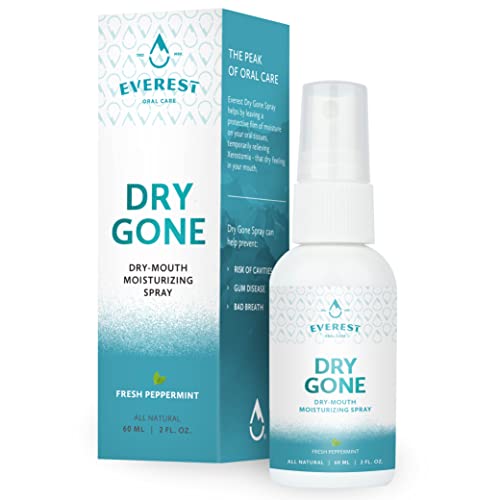
Natural Dry Mouth Moisturizing Spray with Xylitol - Dry Gone Throat Moisturizer Provides Relief from Cotton Mouth with Neem, Peppermint Oil, & Herbal Extracts (2 Fl Oz)
Chosen because it specifies Peppermint Oil and & Herbal Extracts (2 Fl Oz).
View on AmazonBanyan Botanicals Throat Soother Herbal Spray – Organic Herbal Throat Spray with Echinacea Root for Throat Comfort and Immune Support* – 1 fl oz. – Non-GMO Sustainably Sourced Vegetarian
Chosen because it specifies 1 fl oz. and Non-GMO Sustainably Sourced Vegetarian.
View on AmazonIf a dry or sore throat lasts more than a couple of weeks, comes with fever, trouble swallowing, hoarseness that does not clear or weight loss, see a doctor. We did not personally use these products. Specs come from product listings and maker information, and details we could not confirm are marked not listed. Prices appear only as tiers (Budget, Mid-range, Premium).
Top Picks at a Glance
- Best Overall: BREEZOME 6L, smart humidistat control with a 60-hour listed runtime and 25 dB
- Best Value: DREO 3L, 30 hours listed and 26 dB, easy to refill and clean
- Best for Quiet Sleepers: Homvana 3.6L, listed at 23 dB with 36 hours
- Best Mid-Size Bedroom Tank: Levoit NeoClassic 450, 4.2 liters, 42 hours and 21 dB
- Best Smart Large-Room Unit: Jingkey 10L, listed up to 600 sq ft, 85 hours, app and remote
- Best Budget: Levoit Top Fill 2.5L, a compact tank with a 25 dB listing
- Best With Nightlight: Frida 3-in-1, 60 hours listed with diffuser and nightlight
Overnight Runtime Comparison Table
| Product | Best for | Tank / runtime (listed) | Noise (listed) | Price tier |
|---|---|---|---|---|
| BREEZOME 6L | Hands-off humidity hold | 6L / 60H | 25 dB | Mid-range |
| DREO 3L | Small bedrooms | 3L / 30H | 26 dB | Mid-range |
| Homvana 3.6L | Light sleepers | 3.6L / 36H | 23 dB | Budget |
| Levoit NeoClassic 450 | Medium bedrooms | 4.2L / 42H | 21 dB | Mid-range |
| Jingkey 10L | Large rooms and suites | 10L / 85H | 35 dB | Premium |
| Levoit Top Fill 2.5L | Small spaces, tight budgets | 2.5L / not listed | 25 dB | Budget |
| Frida 3-in-1 | Nightlight and diffuser fans | Tank not in title / 60H | Not listed | Mid-range |
1. BREEZOME 6L: Best Overall for Holding Humidity All Night
- Tank: 6 liters
- Listed runtime: up to 60 hours
- Noise: 25 dB listed
- Control: smart humidistat in the listing
- Extras: essential oil diffuser function
Best for: people who wake up with a dry throat and want a unit that holds a set humidity without them checking it.
Skip if: your nightstand is small or you want a tiny unit. Six liters is a bulky tank.
The main problem with using a humidifier for a dry throat is that you cannot watch it while you sleep. A basic unit keeps pushing mist until the tank runs dry, which can raise humidity above 60 percent in a small bedroom and invite dust mites and mold. A humidistat reads the room and pauses at your target, so the humidity stays steady while you sleep.
The 6-liter tank at 60 hours gives about 100 mL per hour at its lowest setting, a gentle output. The tank is large enough that you can refill every second day if you need to, though we still recommend a daily rinse for hygiene. In a bedroom of about 250 square feet, set the target at 40 to 45 percent and let it work.
Onboard humidity sensors vary in accuracy and can read high when they sit near the mist. Place a separate hygrometer across the room to cross-check, and adjust the target by a few points if the readings disagree.
Pros
- Humidistat reduces over-humidifying
- Long listed runtime
- Low listed noise
- Big tank
Cons
- Bulky
- Sensor accuracy not independently confirmed
- Heavy when full
2. DREO 3L: Best Value for Small to Medium Bedrooms
- Tank: 3 liters, top fill
- Listed runtime: up to 30 hours
- Noise: 26 dB listed
- Mist type: cool mist
- Design: easy to refill and clean
Best for: a bedroom up to about 200 square feet where you want an affordable, quiet cool mist unit.
Skip if: you need to cover a large room or want automatic humidity control.
Thirty hours from 3 liters is 100 mL per hour, so one fill covers a full night plus a spare. For a dry throat, that is plenty in a small room. The point is not to flood the air but to keep it from drying out as the heating runs.
The listing mentions precise humidity control, but it does not spell out how it measures the room. Treat it as a bonus and still use a separate hygrometer.
At 26 dB listed, it is quiet enough for most sleepers. Place it on a stable table rather than a hollow nightstand to avoid vibration noise.
Pros
- Good value
- Quiet
- Easy to clean
Cons
- Not for large rooms
- No warm mist
- Control details not listed
3. Homvana 3.6L: Best for Light Sleepers
- Tank: 3.6 liters
- Listed runtime: up to 36 hours
- Noise: 23 dB listed
- Nozzle: 360-degree rotatable
- Materials: BPA-free noted
Best for: people who wake at small sounds and still want steady overnight moisture.
Skip if: you want strong brand support or smart features.
The 23 dB rating is the lowest sound level in the budget tier, and 3,600 mL over 36 hours is 100 mL per hour. Together they make this a sensible choice for anyone who sleeps lightly and has a dry throat on waking.
The rotatable nozzle lets you aim mist away from your face. Breathing the densest part of the plume can leave the nose and throat feeling damp rather than comfortable, and it can condense on nearby surfaces.
We could not confirm the detailed cleaning instructions from the listing, so check the manual before you start a nightly routine.
Pros
- Lowest listed noise in the budget tier
- Balanced tank and runtime
- Adjustable nozzle
Cons
- Support details not listed
- No sensor mentioned
- Plain design
4. Levoit NeoClassic 450: Best Mid-Size Tank With Very Low Noise
- Tank: 4.2 liters, top fill
- Listed runtime: 42 hours
- Noise: 21 dB listed
- Mist type: cool mist
- Design: easy to clean per the listing
Best for: master bedrooms where you want a larger tank and the lowest listed noise.
Skip if: you want warm mist or app control.
The NeoClassic puts out 100 mL per hour on the listed numbers, matching the compact units while holding more water. That means you can fill it before bed and still have water left in the morning, which helps if your routine is irregular.
At 21 dB, it is the lowest-noise unit in the guide. If you are the type who notices a humidifier’s hiss at 3 a.m., this is the one to try.
There is no humidity sensor mentioned, so add a hygrometer. Set the unit to low or medium and adjust over a few nights.
Pros
- Lowest listed noise
- Bigger tank than compact units
- Top fill
Cons
- No sensor or smart features mentioned
- No warm mist
- Output fixed in the low range
5. Jingkey 10L: Best Smart Option for Large Bedrooms and Suites
- Tank: 10 liters
- Listed coverage: 600 square feet
- Listed runtime: up to 85 hours
- Noise: 35 dB listed
- Control: app and remote
Best for: a large room or suite where small units would struggle.
Skip if: your bedroom is small, or you want the lowest noise rating.
The Jingkey sits at the high-capacity end of the field. Ten liters over 85 hours is about 118 mL per hour at the low setting, so it is aimed at larger spaces. App and remote control let you set schedules and adjust without getting out of bed.
The listed noise of 35 dB is higher than the compact units, which is expected from a larger device. Some sleepers will not notice; others will. If you are sensitive, place it farther from the bed or choose a smaller unit.
We could not verify the brand’s support reputation. Check the warranty before you buy.
Pros
- Large tank and coverage
- App and remote control
- Very long listed runtime
Cons
- Higher listed noise
- Premium price tier
- Brand support not verified
6. Levoit Top Fill 2.5L: Best Budget Pick
- Tank: 2.5 liters, top fill
- Noise: 25 dB listed
- Mist type: quiet cool mist
- Positioning: bedroom
- Runtime: not listed in the title
Best for: a small room or a first humidifier where cost is the main concern.
Skip if: you need a long runtime or large coverage.
A 2.5-liter tank is enough for a small bedroom, and the top-fill design makes nightly refilling quick. Because the title lacks a runtime, check the manual for the low-setting figure.
For a dry throat in a small room, this is a sensible entry point. If you find you need to refill mid-night, step up to the DREO or NeoClassic.
Keep the cleaning routine: rinse daily and descale weekly.
Pros
- Low price tier
- Quiet listed noise
- Easy top fill
Cons
- Runtime not listed
- Small coverage
- No sensor
7. Frida 3-in-1: Best With a Nightlight
- Type: cool mist
- Listed runtime: 60 hours
- Functions: humidifier, diffuser, nightlight
- Positioning: large rooms and bedrooms
- Tank: not listed in the title
Best for: people who want a soft nightlight and a long listed runtime.
Skip if: you are sensitive to fragrance, or you want complete darkness.
The runtime is long, but without tank size we cannot work out an output rate. The extra functions are nice, though for a dry throat the main job is simple moisture.
Skip essential oils if your throat is irritated. Scents can bother some people.
Check that the nightlight can be turned off if you sleep best in the dark.
Pros
- Long runtime
- Nightlight
- Bedroom-friendly
Cons
- Tank size not listed
- Diffuser may irritate
- Noise not listed
Also Consider
Clarston 2L: A 2-liter cool mist unit with 24 dB and 25 hours listed; fine for a tiny bedroom or a desk.
Levoit 3L Cool Mist: A 3-liter top-fill unit with a 360-degree nozzle and 25 watts listed; a solid middle option.
MEGAWISE 3.5L: A 3.5-liter top-fill ultrasonic unit with diffuser function; an alternative if others are out of stock.
How We Chose
We started with real humidifiers in the product store and kept those that can plausibly run unattended through an eight-hour night. We then compared tank size, listed runtime, noise and whether the design includes a humidistat or smart control.
The research uses listing details, manufacturer information and public guidance from Mayo Clinic and the EPA on humidity and humidifier hygiene. We did not personally use these products and we do not claim lab measurements. Unconfirmed specs are marked not listed.
We capped each brand at two main picks, avoided medical promises and used price tiers because prices change often.
Buying Guide
Why the Throat Dries Overnight
During sleep, many people breathe through the mouth, especially with a stuffy nose. Air that bypasses the nose does not get warmed and humidified, so the throat can dry out. In winter, indoor heating drops relative humidity, often below 30 percent, which makes it worse.
A humidifier raises the moisture in the room air, which may reduce that dryness. It cannot fix the cause of mouth breathing.
Humidity Target and Control
Aim for 30 to 50 percent. Below that range the throat can feel dry; above 60 percent, mold and dust mites thrive. A humidistat model holds the room within range, while a basic unit needs your attention and a hygrometer.
Check the reading at bed height and across the room from the mist.
Runtime Math for a Full Night
Eight hours of sleep plus an hour of pre-humidifying is nine hours. A unit that runs 30 hours on one fill covers three nights on low, though you should refill daily. A unit with 36 to 60 hours gives you a safety margin if you forget to refill.
Divide tank volume by runtime to find output per hour. Most bedroom units sit near 100 mL per hour at the lowest setting.
Noise and Light
Look for 28 dB or lower if you are a light sleeper. Note that decibel ratings are measured by the maker under their own conditions. Switch off any nightlight or display if you need darkness.
Water and Cleaning
Use clean water, change it daily and rinse the tank each morning. Descale weekly with white vinegar. If you have hard water, use distilled to reduce white dust and scale.
Mistakes That Leave You With a Dry Throat Anyway
Even a good humidifier can fail if used badly. Avoid these.
- Placing the unit across the room where mist never reaches the bed area.
- Running it on high in a small room until humidity passes 60 percent.
- Aiming the nozzle at your face or at a wall.
- Forgetting to refill, so the unit runs dry at 3 a.m.
- Skipping the rinse and breathing stale mist.
- Ignoring other causes such as mouth breathing or dry heating vents.
Pre-Humidify Plan for a Dry Throat
Pre-humidifying is the simplest habit to adopt. Start the unit about an hour before bed with the bedroom door closed. This lets the room reach its target before you lie down, so you are not breathing the driest air of the evening in the first hours of sleep.
Then keep it at a low or medium setting through the night. If you wake up with condensation on the windows or a damp smell, lower the setting or shorten the run. If you wake up dry, check the hygrometer: if it is under 35 percent, raise the setting a notch; if it is over 50 percent and you are still dry, the humidifier is not the cause and you should look at other factors.
Other factors include dust and pet dander in bedding, a dry heating vent blowing at your face, alcohol or caffeine late in the day, reflux and dehydration. A glass of water by the bed can help with simple dryness. If symptoms persist, a doctor can check for other causes.
Reading the Spec Sheet for Overnight Use
Three numbers decide how a humidifier behaves while you sleep: tank volume, listed runtime and listed noise. Tank volume tells you how much water is available. Listed runtime is usually quoted at the lowest setting, so real runtime on a higher setting will be shorter. Listed noise is measured by the maker under their own conditions, typically at the lowest setting, so expect a bit more sound at higher output.
Coverage claims such as 600 square feet are best read as upper limits. They assume a sealed room with average ceilings. A bedroom with a leaky window, an open door or a high ceiling needs more output than the number suggests. Conversely, if your room is small, a big unit set to low can still overshoot.
Controls matter more than they seem. A unit with a humidistat or smart scheduling takes the guesswork out. A unit with only a dial depends on you. If you are the type to forget, choose control over capacity. If you are diligent, a simple unit with a hygrometer works just as well.
Finally, look at how the tank opens and how many parts it has. A dry throat is a chronic problem for many people, and a humidifier that is a chore to clean will be abandoned by February. Reliable, boring and easy beats clever and fussy.
Your First Week With a New Humidifier
Give the room time to respond. In the first night or two, walls, bedding and wood furniture absorb moisture, so the hygrometer may barely move. By night three or four the reading should climb toward your target. Resist the urge to crank the output up on night one, because the surfaces then release that stored moisture and you can overshoot.
Keep a simple log for the week: the hygrometer reading at bedtime, in the morning and whether your throat felt dry. Seeing the numbers beside how you feel makes it easy to find your personal sweet spot, which may be 40 percent for one person and 48 for another.
If after a week of steady 40 to 50 percent humidity you still wake with a very dry throat, move on to other explanations rather than buying a bigger machine. A clinician can check for allergies, reflux or breathing patterns during sleep.
Dry Throat Checklist Before You Buy
Measure the room: length times width in feet gives you square footage. Note the ceiling height. Check the humidity with a hygrometer for three nights to see how dry the room really is. Decide who shares the room: children and pets push you toward cool mist. Decide how much cleaning you will do. A simple unit that you clean beats a smart unit that you ignore.
If you have a medical condition such as asthma or a chronic lung disease, ask your clinician before adding a humidifier, because poor humidity control or dirty mist may aggravate symptoms.
Frequently Asked Questions
Why is my throat dry every morning?
Common causes are mouth breathing, dry indoor air, dehydration, allergies and reflux. A humidifier may help with dry air but will not fix the others. See a doctor if it persists.
Will a humidifier fix a dry throat?
It may make dry air more comfortable, but it does not treat underlying conditions.
What humidity level is best?
About 30 to 50 percent, checked with a hygrometer.
Should I run a humidifier all night?
Many people do, but only if humidity stays in range. A humidistat model manages this automatically.
Is cool mist or warm mist better?
Neither is proven to be better. Cool mist is safer around children.
How close should it be to the bed?
About three to six feet, on a stable surface two feet off the floor, with the nozzle aimed away from you.
When should I see a doctor?
If your dry throat lasts more than a couple of weeks, or comes with fever, trouble swallowing or persistent hoarseness, contact a doctor.
Which One Should You Buy?
Pick the BREEZOME 6L if you want automatic humidity control, the DREO 3L for a small room and a tight budget, the Homvana or NeoClassic 450 if noise is your main concern, and the Jingkey 10L for a large suite. The Levoit Top Fill 2.5L is the entry-level choice and the Frida suits those who want a nightlight.
Whichever you pick, add a hygrometer, pre-humidify before bed and keep the unit clean. That combination matters more than the badge on the front.
One last tip: if you travel or sleep in different rooms, remember that the best unit is the one that suits the room where you spend the most hours asleep. Measure that room, note the listed runtime and noise, and buy for that space rather than for the biggest number on the box.
Sources
- Mayo Clinic guidance on humidifiers and dry throat
- U.S. Environmental Protection Agency pages on indoor humidity
- Manufacturer pages for Levoit and DREO
- Product listing details for BREEZOME, Homvana, Jingkey and Frida
Last updated: October 2026