Choosing the right sd memory card is one of those decisions that feels minor until the moment it is not: a card that cannot keep up with your camera’s burst buffer, a capacity shortfall that forces you to delete files mid-shoot, or a mismatch between speed class and recording format that causes dropped frames. The difference between a frustrating experience and a seamless one comes down to matching the card’s rated throughput and storage ceiling to the actual demands of the device and workload sitting in front of you.
This roundup compares eight SanDisk options across the Ultra and Extreme PRO lines, sorting them by published speed ratings, capacity tiers, and what owners report about real-world reliability. Prices span from under twenty dollars to nearly ninety, so the goal here is to clarify which spend is justified and which is not, depending on whether you are shooting Full HD, 4K, high-volume RAW stills, or simply backing up documents from a laptop.
Our top picks
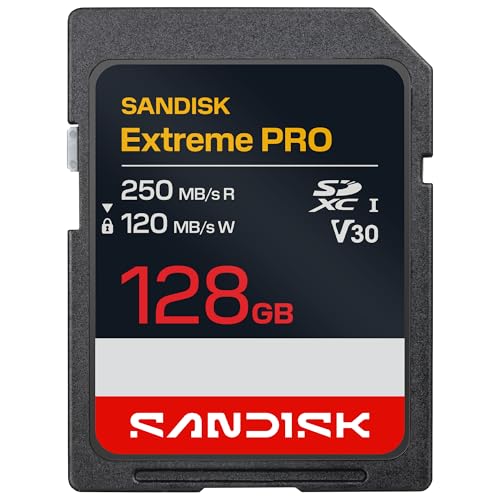


 SANDISK 64GB Extreme PRO SD Memory Card
- CAPTURE LARGER THAN LIFE
- SPEED BARRIERS SHATTERED
- MAXIMIZE WITH MASSIVE CAPACITY
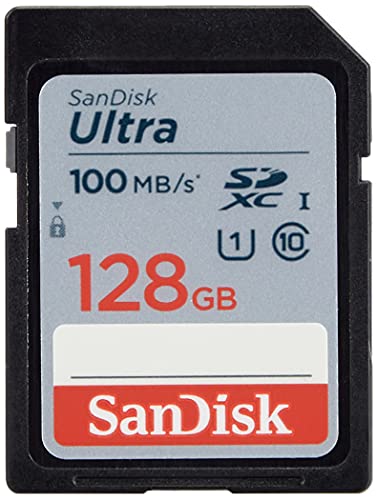 SanDisk 128GB Ultra SDXC UHS-I Memory Card
- Fast for better pictures and Full HD video
- Great choice for compact to mid-range point-and-shoot cameras
- From 32GB to 256GB(1) to store tons of…
 SANDISK 256GB Extreme PRO SD Memory Card
- Save time with card offload speeds of up…
- Pair with the SanDisk Professional PRO-READER SD and…
- Shot speeds up to 140MB/s (Write speed up…
As an Amazon Associate we earn from qualifying purchases at no extra cost to you.
Quick Picks
| Product | Best for | Price |
|---|---|---|
| Extreme PRO 128GB | Fast 4K and burst work | $51.98 |
| Ultra 32GB SDHC | Dash cams and light use | $20.38 |
| Extreme PRO 64GB SDXC | Budget 4K recording | $32.62 |
| Ultra microSD 128GB | Drones and action cams | $35.99 |
| Ultra 64GB SDXC | Full HD shooting | $23.05 |
| Extreme PRO 64GB | Compact speed on a budget | $36.35 |
| Ultra 128GB SDXC | High-volume HD storage | $32.41 |
| Extreme PRO 256GB | Full-day video sessions | $88.99 |
How We Picked
We filtered this category on four criteria: peak read speed (how quickly files offload to a computer), write-class certification (U1 versus U3, and V30 video speed class for sustained recording), native capacity matched to realistic file sizes, and whether the card’s form factor fits your device without adapters that introduce failure points. Price-per-gigabyte was used as a tiebreaker among cards meeting the same technical requirements.
The 8 Best Sd Memory Card in 2026
SANDISK 128GB Extreme PRO SD Memory Card
For photographers and videographers who want the fastest card on this list without jumping to CFexpress or SSD territory. The published read speed of up to 250MB/s is the highest here, meaning shorter tethering times and quicker library imports. Owners frequently note consistent performance under heavy burst sequences.
- Pro: Fastest read throughput in this lineup, useful for time-sensitive workflows.
- Pro: 128GB capacity handles a full day of RAW stills without mid-session swaps.
- Con: Priced well above Ultra-tier cards with half the capacity.
Skip this one if you exclusively shoot Full HD or store documents; the speed premium will go unused.
SanDisk 32GB Ultra 100MB/s SDHC Memory Card
A straightforward entry-level card for dash cams, older point-and-shoots, or as a spare for document transfers. At 32GB it is small by modern standards, but the 100MB/s read rating is adequate for 1080p loops and JPEG captures. The price makes it an easy multi-card purchase for anyone who loses cards in the wild.
- Pro: Lowest cost per card in this list, reducing the sting of loss.
- Pro: SDHC compatibility means it works in legacy devices that reject SDXC.
- Con: 32GB fills quickly if you record more than a few minutes of HD video.
Skip if your camera generates files larger than a few megabytes each; you will cycle cards constantly.
SANDISK 64GB Extreme PRO SDXC UHS-I Memory Card
The most affordable way to get a V30-rated card in this lineup, making it the go-to for budget 4K videographers. The U3 and V30 certifications guarantee a minimum sustained write speed that prevents dropped frames during high-bitrate recording, which is the primary concern at 4K resolution. The 64GB ceiling means you will manage your recording time more carefully.
- Pro: V30 and U3 ratings deliver confidence for 4K UHD capture.
- Pro: Lower entry price than the 128GB Extreme PRO variant.
- Con: 64GB limits you to roughly one short 4K clip session before you need to offload.
Skip if you regularly record longer than five or ten minutes of continuous 4K footage.
SANDISK 128GB Ultra microSD Card + Adapter
Designed for the growing ecosystem of devices that use the microSD slot natively: drones, action cameras, handheld game consoles, and modern laptops. The included adapter lets you also use it in full-size SD slots, adding flexibility. Published read speeds of up to 195MB/s put it between the Ultra SD cards and the Extreme PRO line.
- Pro: microSD form factor matches a wider range of devices than full-size SD alone.
- Pro: 128GB capacity reduces swap frequency in small-slot devices.
- Con: The adapter adds a physical joint that can loosen or fail over time.
Skip if your camera has a full-size SD slot only and you prefer a single-piece card without adapter dependency.
SanDisk 64GB Ultra SDXC UHS-I Memory Card
A capable mid-tier option for Full HD shooters and photographers who want a reliable card without paying for 4K-grade write assurance. The U1 and C10 ratings are sufficient for 1080p video at typical bitrates and for continuous JPEG burst. At just over twenty dollars it offers one of the better capacity-to-price ratios in this group.
- Pro: Affordable 64GB card that handles everyday Full HD workloads without complaints.
- Pro: C10 and U1 ratings keep it compatible with older and newer cameras alike.
- Con: Lacks U3 and V30 certification, so 4K sustained writes are not guaranteed.
Skip if you plan to record 4K video or shoot heavily in RAW with large burst counts.
SANDISK 64GB Extreme PRO SD Memory Card
Sits in an interesting middle ground: Extreme PRO build quality and a published 200MB/s read speed, but in a compact 64GB package that appeals to anyone who wants speed without committing to a large-capacity price. Useful for sports and event photographers who capture bursts in JPEG or light RAW and need fast offload.
- Pro: 200MB/s read speed cuts transfer time without the cost of higher capacities.
- Pro: Small physical profile is easier to manage alongside multiple cards.
- Con: 64GB fills faster than the 128GB Extreme PRO variant for the same shooting style.
Skip if you routinely need more than sixty gigabytes before reaching an offload station.
SanDisk 128GB Ultra SDXC UHS-I Memory Card
For content creators who generate a high volume of Full HD files and want double the storage of the 64GB Ultra without stepping up to the Extreme PRO price tier. The 100MB/s read speed and U1 rating keep it firmly in HD territory, but the generous capacity means fewer card swaps across a long shoot day.
- Pro: Best cost-per-gigabyte among the cards rated for sustained HD recording.
- Pro: 128GB lets you capture an entire event before offloading.
- Con: U1 write rating may bottleneck continuous high-bitrate 4K recording.
Skip if your workflow requires guaranteed 4K write performance or V30 certification.
SANDISK 256GB Extreme PRO SD Memory Card
The capacity king in this lineup, built for videographers and photographers who want to go through an entire long-form shoot without swapping or offloading. Published read speeds up to 200MB/s keep transfers reasonable despite the large file count. It is the practical answer for multi-hour 4K sessions or travel shoots where access to a card reader is limited.
- Pro: 256GB capacity is the largest here, ideal for uninterrupted long sessions.
- Pro: Extreme PRO construction and a solid speed rating suit demanding workflows.
- Con: The highest sticker price in this list at nearly ninety dollars.
Skip if you always carry a laptop or card reader and can comfortably offload between half-day shoots.
Buying Guide
Speed Class and Video Rating Explained
UHS speed classes tell you the minimum sustained write speed a card guarantees. U1 means at least ten megabytes per second, enough for Full HD at most consumer bitrates. U3 raises that floor to thirty megabytes per second, which is the threshold most 4K cameras require to avoid dropped frames. The V30 marking goes a step further by certifying video speed class independently, useful for cameras that log frame-rate spikes. If you shoot only 1080p, U1 is adequate; if you shoot 4K, demand at least U3 or V30.
Choosing Capacity for Your File Format
RAW files from modern mirrorless cameras can range from twenty to eighty megabytes each depending on resolution and bit depth. A 4K video file at 100 Mbps generates roughly forty-five gigabytes per hour. Multiply your typical session length or shot count by those numbers and you will see why 32GB feels constraining while 128GB or 256GB provides breathing room. Buy capacity based on how long you expect to go between offloads, not on how many photos you hope to store on one card.
SDHC versus SDXC and Form Factor
SDHC covers cards up to 32GB and SDXC covers 64GB and above. Older cameras may not read SDXC at all, so check your device’s maximum supported card type before buying larger capacities. The microSD variant with adapter is versatile but introduces a mechanical connection that can fail if jostled, so for critical professional work, a full-size card in a native slot is the safer path.
Our Verdict
The top pick is the SANDISK 128GB Extreme PRO at its published 250MB/s read speed: it offers the best combination of capacity and throughput for anyone doing serious creative work. The budget pick goes to the SanDisk 64GB Ultra SDXC at just over twenty-three dollars, which delivers reliable Full HD performance at a price that makes buying two cards practical. If your specific need is 4K video recording with guaranteed sustained write speed, the 64GB Extreme PRO with its V30 and U3 certifications wins on the technical merits despite its smaller capacity.
FAQ
What is the difference between SDHC and SDXC?
SDHC refers to the file system and capacity bracket covering cards up to 32GB, while SDXC applies to cards of 64GB and above and uses a different underlying file system. Your camera must support SDXC to read larger cards; older bodies may reject them entirely.
Can I use a microSD card with an adapter in any camera?
Yes, as long as the camera has a full-size SD slot. The adapter simply extends the contact pins to the larger form factor. Performance should match the microSD card’s own rating, though the adapter introduces a small risk of physical connection issues.
Do I need U3 for Full HD video?
No. U1 is sufficient for most Full HD recording because typical 1080p bitrates stay well below the ten megabytes per second minimum that U1 guarantees. U3 becomes relevant when you move to 4K or high-frame-rate 1080p with elevated bitrates.
Is a faster read speed actually useful?
Read speed determines how quickly files transfer from the card to your computer via a reader, which matters most when you import large batches of RAW files or long video clips. It does not affect how fast the camera records; that depends on write speed and sustained throughput ratings.