Key takeaways
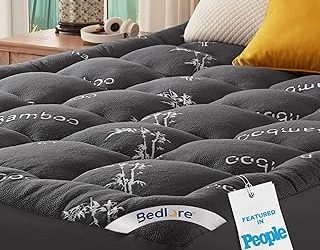
- If you sweat at night: favor breathable, moisture-managing fabrics and a lightly quilted surface. Rayon derived from bamboo, as used in the Niagara Sleep Solution topper, can feel smooth and airy against the skin.
- If you dislike a cold or slick feel: choose a soft down-alternative or pillow-top design. The OLANLY pad and SLEEP ZONE Twin Mattress Topper emphasize cushioning as well as airflow.
- If you need spill protection: select a waterproof model, but understand that the backing may reduce some air exchange compared with an uncoated pad.
- If you share the bed: a breathable, washable pad is often more versatile than a highly specialized cooling fabric, since partners may experience temperature differently.
What's inside
Hot nights are rarely solved by turning the thermostat down another degree. Your mattress can hold body heat, restrict airflow, and leave you feeling clammy long after the sheets have been changed. From an outdoor-living perspective, the same principle applies indoors as it does in a well-designed sleeping bag: moisture management, ventilation, and the right amount of insulation determine whether sleep feels refreshing or stuffy.
This guide explains how to choose the best cooling mattress pad for 2026, whether you need active temperature regulation, a breathable quilted layer, waterproof protection, or simply a softer surface. We’ll compare the features that matter, clarify common cooling claims, and show which type of pad suits different sleepers and mattresses.
As an Amazon Associate we earn from qualifying purchases.



Start With the Kind of Cooling You Need
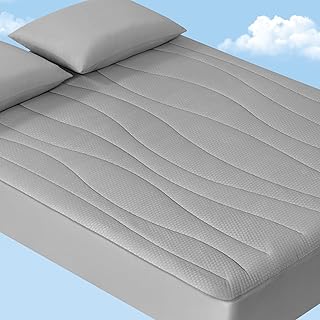
“Cooling” mattress pads do not all work in the same way. Breathable cotton, bamboo-derived rayon, and polyester fabrics can help release heat and moisture, while quilted construction creates small air channels between your body and the mattress. These materials are useful for sleepers who run warm but do not want a distinctly cold sensation.
For stronger temperature control, look for phase-change material (PCM). PCM fabrics absorb some excess heat as your body warms, then release it gradually. The Elegear Cooling Mattress Pad with Arc-Chill 3.0 is designed around this approach and may appeal to people who want more than ordinary breathable bedding. Keep expectations realistic: a pad can help manage heat, but it cannot actively refrigerate the bed.
Match the Pad to Your Mattress
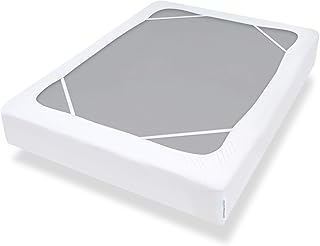
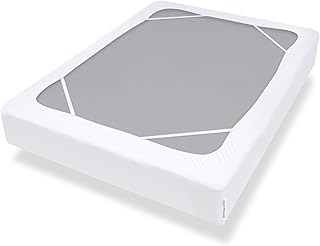
Measure mattress depth before buying, including any existing topper. A fitted pad that is too shallow can pull loose at the corners, while an oversized skirt may shift during the night. Many of the options listed here cover a broad 8- to 21-inch range, which is helpful for pillow-top mattresses and adjustable bedding.
Deep-pocket designs such as the Niagara Sleep Solution Ultra Soft & Cooling Mattress Topper and OLANLY Queen Quilted Fitted Mattress Pad are practical choices for thicker mattresses. Check the listed bed size as well: a Twin, Full, and Queen are not interchangeable, even when their pocket depth is similar. If your mattress has an unusual profile, prioritize accurate measurements over a familiar brand name.
Choose Materials for Your Sleeping Style
- If you sweat at night: favor breathable, moisture-managing fabrics and a lightly quilted surface. Rayon derived from bamboo, as used in the Niagara Sleep Solution topper, can feel smooth and airy against the skin.
- If you dislike a cold or slick feel: choose a soft down-alternative or pillow-top design. The OLANLY pad and SLEEP ZONE Twin Mattress Topper emphasize cushioning as well as airflow.
- If you need spill protection: select a waterproof model, but understand that the backing may reduce some air exchange compared with an uncoated pad.
- If you share the bed: a breathable, washable pad is often more versatile than a highly specialized cooling fabric, since partners may experience temperature differently.
Consider Waterproofing and Noise
A waterproof mattress pad is valuable for children’s rooms, guest beds, pets, and anyone who wants a barrier against spills or perspiration. The Queen Size Waterproof Mattress Pad Protector uses a fitted, quilted format and is intended for mattresses up to 21 inches deep. The ELVEN HOME Full Size Waterproof Mattress Pad offers a similar protective role in a Full-size bed.
Waterproof layers can vary in feel. Some make a crinkling sound or feel less flexible, particularly when the bed is new. Look for wording such as “noiseless,” but treat it as a design aim rather than a guarantee; noise depends on the mattress, sheets, room temperature, and how much the sleeper moves.
Look Beyond the Cooling Label
Washability is one of the most important long-term features. Sweat, skin oils, and dust eventually reduce the fresh feel of any bedding, so a machine-washable pad is easier to maintain than one requiring specialized care. Follow the manufacturer’s temperature and drying instructions, especially for waterproof backing or temperature-regulating fibers.
Also assess loft and firmness. A thick pillow-top pad can soften a firm mattress, but it will not correct a mattress that is sagging or lacking support. If back comfort is your priority, choose moderate cushioning and make sure the pad does not create a hammock-like surface. Secure elastic, durable stitching, and even quilting are useful indicators of everyday practicality.
Tips
- Measure the mattress with any topper already in place, then compare that measurement with the pad’s pocket range.
- Wash the pad before its first use if the care label permits; this can remove manufacturing odors and reveal its finished hand feel.
- Use breathable cotton or moisture-wicking sheets over a cooling pad rather than heavy flannel or tightly woven heat-trapping fabric.
- Allow damp bedding to dry fully before remaking the bed, and air the mattress occasionally to reduce trapped moisture.
Frequently Asked Questions
Do cooling mattress pads really work?
They can improve comfort by increasing breathability, moving moisture away from the body, or temporarily absorbing excess heat. Their effect is usually moderate rather than dramatic. Room temperature, bedding, pajamas, humidity, and the mattress itself all influence the result.
Is a mattress pad cooler than a mattress topper?
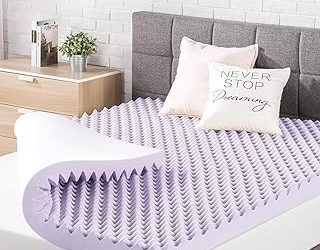
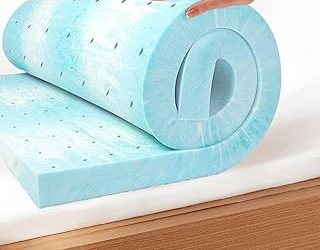
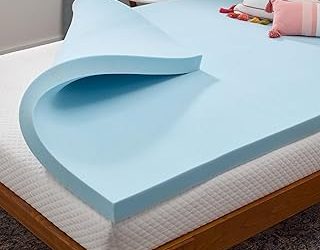
The terms overlap, but pads are generally thinner and focus on protection, softness, and surface comfort. Toppers are often thicker and can change the feel of the mattress more noticeably. A thick foam topper may add pressure relief but can also retain heat, so choose carefully if temperature is your main concern.
Should I buy a waterproof cooling mattress pad?
Buy one if spill resistance or mattress protection is important. For the coolest possible feel, compare the waterproof layer and surface fabric, since an impermeable backing can limit ventilation. A breathable quilted protector may be the better compromise for a dry adult bedroom.
How often should a cooling mattress pad be washed?
Follow the care label, but monthly washing is a reasonable starting point for many households. Wash sooner after heavy sweating, illness, or a spill. Use a correctly sized washer and avoid excessive heat if the pad contains waterproof film, elastic, or specialized cooling fibers.
Conclusion
The best cooling mattress pad is the one that fits your mattress securely, suits your preferred level of cushioning, and addresses the source of your discomfort. Choose breathable quilting for everyday heat management, PCM construction for a more specialized cooling approach, and waterproof protection when safeguarding the mattress matters most. With accurate measurements, washable materials, and lighter bedding above it, a well-chosen pad can make warm-weather sleep noticeably more comfortable.