Key takeaways
- Place the topper on a clean, dry mattress and let compressed foam expand fully before judging its feel.
- Use breathable cotton sheets rather than tight, heavy bedding if heat is a concern.
- Rotate a non-foam topper periodically, but do not flip it unless the instructions say both sides are designed for sleeping.
- Check the bed frame and slats before buying a thick topper; added height cannot compensate for inadequate mattress support.
What's inside
For a side sleeper, a mattress topper is more than a softness upgrade. It is the layer that can determine whether your shoulder and hip settle comfortably into the bed or spend the night pushing against it. That matters even more after a day outdoors, when tired muscles need reliable pressure relief rather than a surface that feels merely plush in the first few minutes.
This guide explains how to choose the best mattress topper for side sleeping in 2026, with practical advice on firmness, thickness, cooling, fit, and care. The picks below range from breathable quilted pads to supportive memory foam, so you can match your choice to your mattress, sleeping temperature, and recovery needs.
As an Amazon Associate we earn from qualifying purchases.



Our Recommended Picks
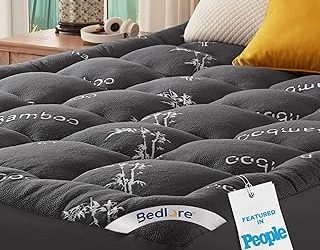
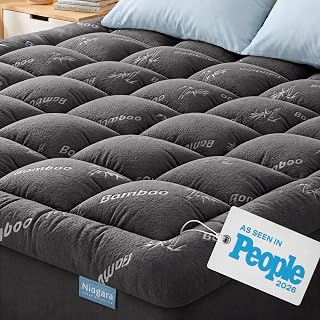
Start by matching the topper’s construction to the problem you are trying to solve. The Niagara Sleep Solution Ultra Soft & Cooling Topper and BEDLORE Viscose Bamboo Topper suit shoppers who want a soft, breathable pillow-top feel with generous pocket depth. The WhatsBedding 5 Inch Bamboo Viscose Topper is a notably thick option for adding substantial cushioning, although its extra height deserves careful attention to fitted-sheet sizing.
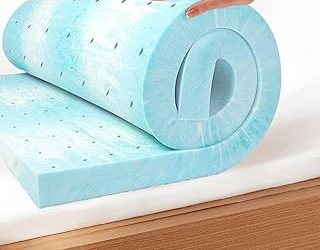
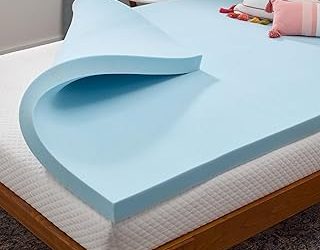
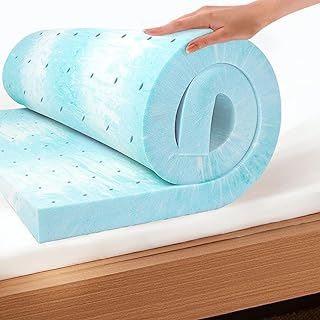
For a cooler, more traditional mattress-pad feel, consider the EASELAND Cotton Pillow Top Mattress Pad. If your shoulder or hip needs deeper contouring, the EGO 3 Inch Gel Memory Foam Topper offers a thicker foam profile, while the Linenspa 2 Inch Gel Memory Foam Topper is a lower-profile way to add pressure relief without dramatically changing bed height.
Choose the Right Firmness for Side Sleeping
Side sleepers generally need enough give for the shoulder and hip to sink in while the waist remains supported. A very firm topper can leave pressure concentrated at those contact points; an excessively soft one may let the torso sag and strain the lower back. As a useful starting point, look for a medium-soft to medium feel when your existing mattress is firm. If your mattress is already soft, choose a thinner or more supportive topper rather than adding the deepest plush layer available.
Your body weight and build matter, too. Lighter sleepers may not compress a dense topper very far and can prefer a softer surface. Heavier sleepers often need a more resilient, substantial material that cushions without bottoming out. Because comfort is personal, a return policy is especially valuable when buying online.
Decide Between a Quilted Pad and Memory Foam
Quilted toppers made with cotton, bamboo-derived viscose, or similar fibers are usually the better choice when you want surface softness, airflow, and easy washing. They can smooth out a slightly tired mattress, but they will not fully correct a bed with deep sagging or sharp pressure points. The EASELAND pad is the type to consider if washability and a familiar pillow-top sensation are priorities.
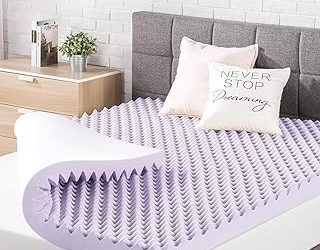
Memory foam changes the feel more dramatically. It distributes weight around the shoulder and hip and can reduce motion transfer, but it may retain more warmth and can feel slower to reposition on. Gel infusions and ventilation may help with heat management, though they do not guarantee a cool night. The EGO 3 Inch and Linenspa 2 Inch models illustrate the main thickness choice: deeper contouring versus a subtler adjustment.
Get the Thickness and Fit Right
Thickness should solve a specific comfort problem, not simply make the bed taller. A topper around 2 inches can soften a firm mattress while preserving much of its original support. Around 3 inches usually creates a more noticeable cushion and deeper pressure relief. Very thick designs, such as the 5-inch WhatsBedding option, can transform the bed’s feel but may make climbing in, changing sheets, or using bedside furniture less convenient.
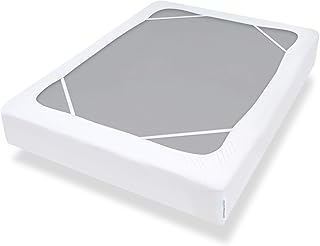
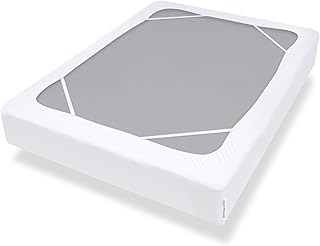
Measure the mattress, including any existing topper, before ordering. Check the product’s stated pocket range and compare it with your mattress height. Deep-pocket designs such as the Niagara, BEDLORE, and EASELAND models are intended to accommodate taller mattresses, but elastic fit can vary. A topper that shifts during the night is a poor choice for an active sleeper, so look for corner straps, a fitted skirt, or secure elastic edging.
Manage Heat, Moisture, and Outdoor-Style Wear
After hiking, camping, or working outside, a warm and damp sleep surface can feel especially uncomfortable. Favor breathable covers, ventilated foam, and washable components if you sleep hot or live in a humid climate. Bamboo-derived viscose can feel smooth and airy, while cotton often offers a familiar, washable surface. Neither fabric alone makes a topper temperature-neutral; room ventilation, bedding weight, and the mattress underneath still have a major effect.
Memory foam should be aired out according to the manufacturer’s instructions after unpacking. Use a washable mattress protector over the topper to guard against sweat, dust, and spills, particularly in guest rooms, cabins, or homes where outdoor gear and pets are common. Never machine-wash foam unless the care label specifically permits it; usually, only the removable cover is washable.
Tips
- Place the topper on a clean, dry mattress and let compressed foam expand fully before judging its feel.
- Use breathable cotton sheets rather than tight, heavy bedding if heat is a concern.
- Rotate a non-foam topper periodically, but do not flip it unless the instructions say both sides are designed for sleeping.
- Check the bed frame and slats before buying a thick topper; added height cannot compensate for inadequate mattress support.
Frequently Asked Questions
What thickness is best for a side sleeper?
For most people, 2 to 3 inches is a practical range. Two inches can soften a firm mattress without overwhelming it, while three inches offers more shoulder and hip cushioning. Thicker models may help when the underlying mattress is exceptionally firm, but they also change bed height and may feel less stable.
Is memory foam or a pillow-top pad better for side sleeping?
Memory foam is usually better for pronounced pressure relief and motion isolation. A quilted pillow-top pad is often better for airflow, easy laundering, and a lighter change in feel. Choose foam when your shoulder or hip needs contouring; choose a quilted pad when you mainly want softness and breathability.
How do I stop a mattress topper from sliding?
Choose a model with a fitted skirt, elastic edging, or corner straps that match your mattress height. Make sure the mattress itself is level and the topper is centered before fitting the sheet. A snug, deep-pocket sheet placed over both layers can also help hold everything in position.
Can a topper fix a sagging mattress?
It may disguise a shallow dip temporarily, but it cannot restore a mattress whose support core has failed. A topper works best on a structurally sound mattress that is simply too firm, too warm, or insufficiently cushioned. If your hips sink noticeably lower than your shoulders, replacing the mattress is usually the more durable solution.
Conclusion
The best mattress topper for a side sleeper is the one that balances pressure relief with stable support, manageable heat, and a secure fit. Begin with the firmness of your current mattress, then choose between a breathable quilted pad and contouring memory foam. For many shoppers, a well-fitted 2- or 3-inch topper is the sensible middle ground: enough cushion for tired shoulders and hips, without turning the bed into an unwieldy, overheated layer stack.