Key takeaways
- Measure the mattress, including its depth, before choosing a fitted or deep-pocket topper.
- Place a pillow between your knees to keep the hips more level and reduce rotation through the lower back.
- Rotate the topper periodically if the care instructions allow it; do not fold or machine-wash foam unless the manufacturer specifically says you can.
- Use a breathable mattress protector and wash bedding regularly, especially if you sleep hot or perspire at night.
What's inside
Side sleeping can be wonderfully comfortable, but it places concentrated pressure on the shoulder, hip, and outer knee. If your mattress is too firm, those areas may feel bruised by morning; if it is too soft, your waist can sink and your spine may twist. A well-chosen topper can fine-tune the sleep surface without the expense of replacing the entire mattress.
This guide approaches toppers with the same practical mindset used for outdoor sleep systems: manage pressure, heat, moisture, and support as a complete setup. You’ll learn how to choose the right material and thickness, assess cooling and fit, avoid common buying mistakes, and match popular options to different side-sleeper needs.
As an Amazon Associate we earn from qualifying purchases.



Our Recommended Picks
Start With Pressure Relief and Spinal Alignment
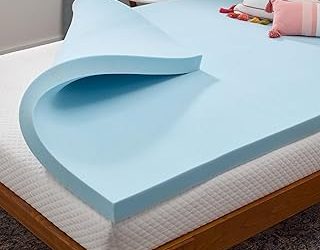
Side sleepers generally need enough cushioning for the shoulder and hip to settle into the surface, while still keeping the midsection supported. Memory foam is often effective because it conforms closely and spreads pressure over a wider area. A 3-inch topper is a useful middle ground for a noticeably softer feel without completely erasing the support of the mattress beneath it.
Look for foam described as medium or medium-soft rather than simply “soft.” A very plush topper may feel inviting at first but can allow the pelvis to drop too far, particularly for heavier sleepers. If you wake with shoulder numbness, hip soreness, or pressure along the outside of your leg, more cushioning may help. If you wake with lower-back tightness or feel as though you are sinking into a hollow, choose a firmer, denser option or a thinner topper.
Choose the Material for Your Sleep Environment
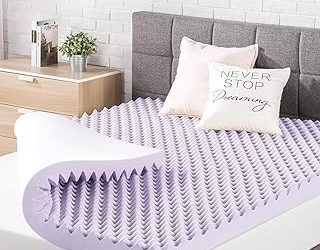
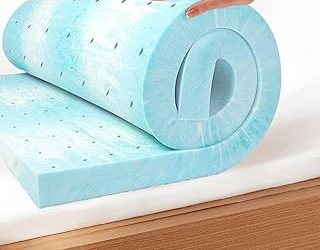
Memory foam offers the most contouring and is usually the strongest choice for pressure relief. The trade-off is that traditional foam can retain body heat. Ventilation channels, open-cell construction, and gel infusions may improve airflow and reduce heat buildup, but no foam topper will feel as airy as a loosely filled pad.
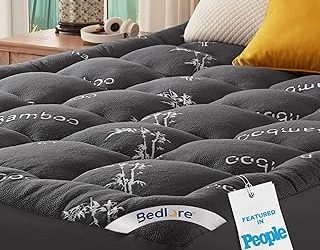
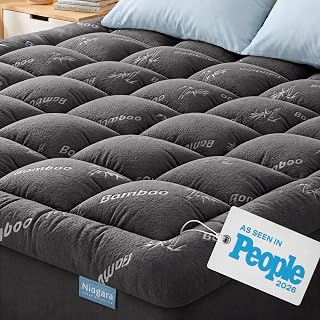
Fiber and pillow-top toppers, such as the BEDLORE Viscose Bamboo and Niagara Sleep Solution Ultra Soft & Cooling models, create a softer, more breathable surface with less body-hugging support. They are worth considering if you mainly want to smooth out a firm mattress or add a little cushioning. A fiber pad is also easier to reposition and may feel more familiar to sleepers who dislike the enveloping sensation of foam.
For warmer bedrooms, consider the PERLECARE gel memory foam topper, the VALUXE gel foam model, or the ventilated ViscoSoft topper. Pair any of them with breathable sheets rather than heavy flannel or tightly woven synthetic bedding. The topper can only manage heat effectively if the rest of the sleep setup allows air and moisture to move away from the body.
Match Thickness, Density, and Feel
Thickness controls how much the topper changes the mattress. Around 2 inches can soften a surface while preserving more of its original character. Around 3 inches provides deeper pressure relief and is often more comfortable for side sleepers with prominent shoulders or hips. Going substantially thicker can be helpful on an exceptionally firm mattress, but it also increases the risk of excessive sink and makes it harder to turn over.
Density matters as much as thickness. Higher-density foam typically provides steadier support and better resistance to compression, although it may feel warmer and heavier. Lower-density foam can feel springier and cooler but may wear more quickly. The ViscoSoft 3 Inch High Density Ventilated topper is a sensible style of option for shoppers who want substantial contouring with a more structured feel.
Give a new foam topper time to expand and air out according to the manufacturer’s instructions. Initial odor is common with compressed foam, but ventilation in a well-aired room is preferable to covering it immediately with bedding.
Check Fit, Stability, and Maintenance
A topper that shifts during the night can create ridges and uneven support, undermining the reason you bought it. Check that the dimensions match your mattress and that the cover or straps can accommodate its depth. Deep-pocket designs such as the BEDLORE and Niagara options are useful when the mattress and topper together create a tall sleep surface. The elastic should sit securely without forcing the topper into folds.
A removable, washable cover is a major practical advantage. It helps manage perspiration, skin oils, and accidental spills while protecting the foam itself. The PERLECARE and VALUXE toppers include removable washable covers, which can simplify routine care. Use a mattress protector over the topper when possible, but choose one that remains quiet and reasonably breathable; a stiff waterproof layer can make a comfortable topper feel warmer and less flexible.
Consider Your Mattress and Sleeping Habits
A topper can adjust comfort, but it cannot reliably repair a mattress with permanent sagging, broken support, or pronounced lumps. Place a straightedge across the mattress and inspect it in daylight. If the center is visibly depressed, adding cushioning may temporarily disguise the problem while leaving your spine poorly supported.
Side sleepers who change positions during the night may prefer medium-density foam that allows easier movement. Those who remain almost entirely on their side can prioritize deeper contouring. Couples should also consider motion transfer: memory foam generally absorbs movement better than lofty fiber fill. If one partner sleeps hot, a breathable pillow-top such as the Full Size Ultra Soft & Cooling Mattress Topper may be comfortable, but verify the size before ordering and remember that a full-size model is not suitable for a queen bed.
Tips
- Measure the mattress, including its depth, before choosing a fitted or deep-pocket topper.
- Place a pillow between your knees to keep the hips more level and reduce rotation through the lower back.
- Rotate the topper periodically if the care instructions allow it; do not fold or machine-wash foam unless the manufacturer specifically says you can.
- Use a breathable mattress protector and wash bedding regularly, especially if you sleep hot or perspire at night.
Frequently Asked Questions
What thickness is best for side sleepers?
A 3-inch topper is a practical starting point for many side sleepers because it provides meaningful cushioning around the shoulder and hip. Choose a thinner model if your mattress is already soft or you prefer a firmer, more responsive feel.
Is memory foam or a pillow-top topper better?
Memory foam is usually better for targeted pressure relief and motion isolation. A pillow-top or fiber topper is typically more breathable and has a less restrictive feel, making it a good choice for mild firmness problems or hot sleepers who dislike sinking into foam.
Will a topper fix back pain?
It may improve comfort when pain is related to excessive firmness or poor pressure distribution, but it is not a treatment for an underlying medical condition. Persistent, severe, or worsening pain deserves advice from a qualified healthcare professional.
How long should a mattress topper last?
Longevity depends on material quality, body weight, use, and care. Dense foam generally holds its shape longer than inexpensive, loosely filled fiber. Replace a topper when it develops permanent hollows, lumps, odor, or a noticeable loss of support.
Conclusion
The best mattress topper for a side sleeper balances pressure relief with enough resistance to keep the spine level. Start by assessing your existing mattress, then choose between contouring foam and breathable fiber based on your comfort and temperature needs. For deeper cushioning, the PERLECARE, ViscoSoft, and VALUXE 3-inch foam toppers are useful styles to compare; for a softer, airier surface, consider the BEDLORE or Niagara Sleep Solution pillow-top designs. A secure fit, washable cover, and realistic expectations matter just as much as the material itself.