Key takeaways
- Use cold, clean drinking water and refill before the reservoir reaches empty to keep production consistent.
- Make ice ahead of a gathering, then move it to a well-insulated cooler so the machine is not overwhelmed by constant demand.
- Keep at least the manufacturer’s recommended ventilation clearance and never cover the vents with a towel or storage basket.
- Drain, rinse, and dry the appliance before transporting it in an RV, taking it camping, or storing it between seasons.
What's inside
Good nugget ice can change the feel of an outdoor meal, game-room gathering, or weekend on the patio. The small, airy pellets chill drinks quickly, are easy to chew, and work especially well in insulated tumblers. But countertop ice makers vary in output, noise, cleaning requirements, and portability, so the first model that looks attractive is not always the best fit.
This guide explains how to choose the best nugget ice maker for 2026, whether you want a dependable kitchen appliance, a party-ready machine, or a portable option for an RV or covered outdoor space. We’ll look at capacity, water handling, sound, maintenance, construction, and the practical details that matter once the machine is in regular use.
As an Amazon Associate we earn from qualifying purchases.


Start With Your Ice-Making Habits
Before comparing specifications, estimate how much ice you actually use. A compact machine rated at roughly 34 to 35 pounds per day can suit a couple, small household, or occasional host. Larger 40- to 44-pound models make more sense for frequent entertaining, busy family kitchens, or filling several coolers during a gathering. These are daily production claims under stated test conditions, not a guarantee that the machine will continuously hold that much ice at once.
Remember that countertop nugget makers generally produce ice in batches. Their internal baskets are smaller than a freezer bin, and many are designed to maintain rather than permanently store ice. Once the pellets begin melting, the water commonly returns to the reservoir and can be frozen again. For a long outdoor event, transfer finished ice to an insulated cooler rather than leaving it in the appliance.
Compare the Recommended Picks Carefully
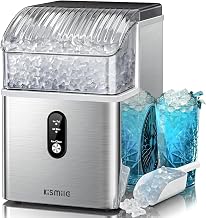
The Kismile Nugget Ice Maker Countertop is an appealing choice when fast first ice, a relatively quiet operating claim, stainless-steel styling, and one-touch cleaning are priorities. Its listed 35-pound daily capacity places it in the practical middle ground for everyday use.
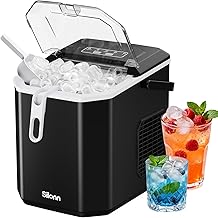
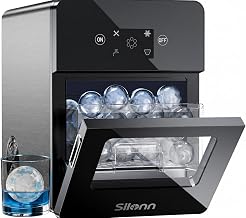
For households that want more stated output, the EUHOMY Nugget Ice Maker Countertop rated at 44 pounds per 24 hours includes an ice scoop and basket and emphasizes self-cleaning operation. The Silonn Nugget Ice Maker with auto-drop ice and self-cleaning is another party-friendly option, with a listed 40-pound daily output and dispensing-focused design.
The second Silonn model, rated at 44 pounds per day, stands out for its front pull-out water tank and removable basket. That arrangement can be useful when the machine sits beneath cabinets or against a backsplash. EUHOMY’s 34-pound model with a handle is more oriented toward portability, including home, party, RV, and camping use. The stainless-steel EUHOMY model rated at 35 pounds per day offers a similar compact capacity with a conventional countertop presentation.
Check Placement, Ventilation, and Portability
“Countertop” does not mean “place anywhere.” Nugget ice makers need clearance around their ventilation areas, a stable level surface, and access to an electrical outlet. Measure the machine’s footprint and height with the lid open, especially if it will live beneath upper cabinets. Leave enough room to remove the basket, add water, and drain the unit without awkward lifting.
For patios, porches, and outdoor kitchens, use the appliance only in a dry, sheltered location unless the manufacturer specifically approves outdoor use. Keep it away from rain, sprinklers, grease, direct heat, and standing water. A handle, removable basket, or front-access tank can make moving and refilling easier, but frequent transport still calls for careful draining and drying.
Prioritize Water Management and Cleaning
Nugget ice machines are water appliances, so convenience depends heavily on their maintenance design. A removable basket and accessible reservoir simplify daily rinsing. Front-access filling is helpful in tight spaces, while a drain plug or drain outlet makes it easier to empty the machine before storage or travel.
Self-cleaning is valuable, but it is not a substitute for hands-on care. Run the cleaning cycle according to the manual, then empty and rinse the reservoir. Wipe the ice-contact surfaces with a soft cloth and allow the interior to dry with the lid open. Use fresh drinking water, avoid overfilling, and never assume that melted water has remained perfectly sanitary after sitting warm for an extended period.
Balance Speed, Sound, and Ice Texture
Several models advertise first ice in approximately six or seven minutes, but initial production is only one part of the experience. A machine may need longer to build a full basket, particularly in a warm room or when frequently opened. If you are preparing for guests, start early and store the first batches in an insulated container.
Nugget ice should be soft enough to chew while still holding together in a drink. Texture can vary with water temperature, ambient heat, and the machine’s internal cycle. Sound matters too: claims such as 43 decibels suggest a quieter design, but compressor and water-pump noise can still be noticeable in a small kitchen, office, or quiet outdoor seating area. If silence is important, operate the machine away from conversation zones and sleeping areas.
Tips
- Use cold, clean drinking water and refill before the reservoir reaches empty to keep production consistent.
- Make ice ahead of a gathering, then move it to a well-insulated cooler so the machine is not overwhelmed by constant demand.
- Keep at least the manufacturer’s recommended ventilation clearance and never cover the vents with a towel or storage basket.
- Drain, rinse, and dry the appliance before transporting it in an RV, taking it camping, or storing it between seasons.
Frequently Asked Questions
What is nugget ice?
Nugget ice is a soft, chewable style made from compressed flakes or small pieces of ice. It is sometimes called pebble, pellet, or sonic ice. Its porous texture absorbs some flavor from a beverage and cools drinks without feeling as hard as traditional cubes.
How much nugget ice do I need?
For occasional drinks, a machine rated around 34 to 35 pounds per day is usually sufficient. Choose a model in the 40- to 44-pound range if you regularly host groups or want to fill coolers. Also check basket capacity, since daily output and the amount held at one time are different measurements.
Can I use a nugget ice maker outdoors?
You can use one in a dry, covered outdoor kitchen or sheltered patio only when the manufacturer’s instructions permit it. These appliances are not normally weatherproof. Protect them from rain, humidity, dust, heat, and unstable power, and bring them indoors after use when conditions are uncertain.
Does a self-cleaning ice maker need manual cleaning?
Yes. A self-cleaning cycle helps flush internal pathways, but you should still rinse the reservoir, wipe accessible surfaces, empty melted water, and let the machine dry. Regular care reduces stale odors and buildup and helps preserve the taste of the ice.
Conclusion
The best nugget ice maker is the one that matches your real routine: choose capacity for your typical crowd, access and portability for your space, and straightforward cleaning for long-term convenience. For everyday countertop use, a mid-capacity model such as the Kismile or 35-pound EUHOMY is a sensible starting point. Larger EUHOMY and Silonn options favor entertaining, while the handled EUHOMY model is worth considering for flexible home, RV, or camping use. Focus on water management and placement as much as headline speed, and your machine will be far more useful when warm-weather hosting begins.