Key takeaways
- Hang lights on an overcast day or at dusk so you can see the actual glow and adjust spacing before locking everything down.
- Use a support cable for any long span; it is the difference between a taut canopy and a saggy droop within weeks.
- Always use a GFCI outlet and outdoor-rated cords for shock protection.
- Label the maximum connectable strands and stay under it to avoid overloading and voiding the warranty.
Nothing transforms a backyard after dark quite like a canopy of string lights. Strung overhead, they cast a warm, cafe-like glow that turns a plain patio into a place you want to linger. But a great installation is more than draping a strand and hoping: proper support cabling, correct spacing, and attention to electrical safety are what separate a magical, long-lasting setup from a sagging, storm-damaged mess. Done right, string lights are one of the highest-impact, lowest-cost outdoor upgrades you can make.
This guide covers how to install outdoor string lights for both ambiance and safety, from planning your layout to weatherproofing the connections. Whether you are lighting a pergola, a deck, or an open yard, these steps deliver that inviting glow while keeping the wiring safe.
Our top picks





As an Amazon Associate we earn from qualifying purchases at no extra cost to you.
⚡ Save on Your Next PC — Amazon Prime
Prime members get fast free shipping on the systems above, plus early access to Prime Day & Black Friday PC deals. New members get a 30-day free trial.
Watch: How to Install Outdoor String Lights for Ambiance and Safety — Video Review
Plan Your Layout and Measure
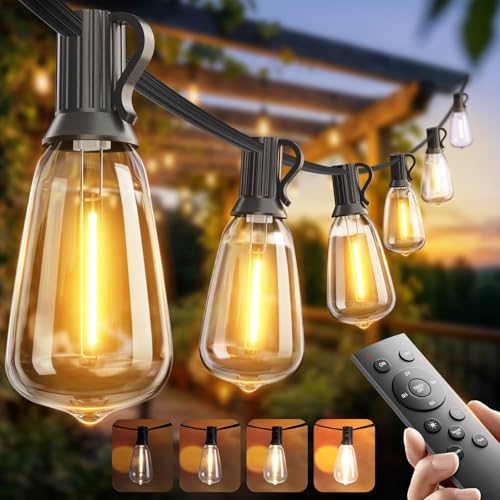
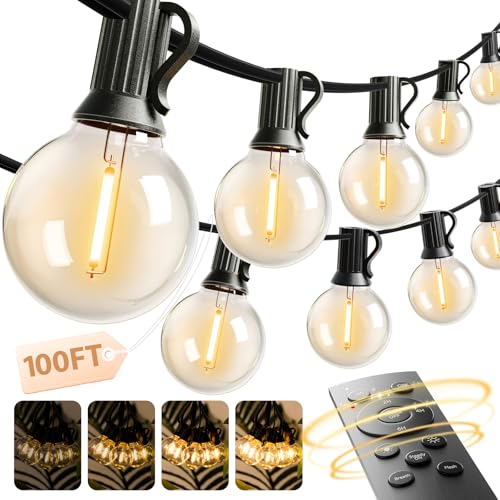
Before buying, map your run. Sketch where the lights will hang, decide on a pattern, straight lines, zigzags, or a crisscross canopy, and measure the total distance including the sag between supports. Buy extra length; a strand pulled taut looks stiff and stresses the wire, while a gentle drape looks intentional. Long runs like 100-foot strands (the addlon 100FT ST38 or Brightown 100FT ST38) cover large yards, while shorter commercial-grade sets (the Brightech Ambience Pro 27 or 48 ft) suit a single pergola or cafe corner.
Install Support Cable for Long Spans
For any run longer than the distance between two fixed points, string a stainless steel guy wire or cable between anchors first, then hang the lights from it with hooks or zip ties. This support cable bears the weight and wind load so the light strand itself does not stretch, sag, or snap over time. Anchor the cable to posts, walls, or trees with eye hooks or turnbuckles that let you tension it taut. This single step is what keeps a large installation looking crisp for years.
Choose the Right Bulbs and Features
LED bulbs are the clear choice for outdoor string lights, using a fraction of the energy of incandescents and staying cool to the touch. Shatterproof bulbs, like those on the addlon G40 and Brightever sets, survive drops and rough weather far better than glass. Look for dimmable strands (the addlon 50FT and Brightown 100FT) to tune the mood, and consider solar-powered options like the Brightech Ambience Pro Solar if you lack a nearby outlet. Waterproof-rated strands are essential for any permanent outdoor run.
Wire Safely and Weatherproof Connections
Electrical safety is where ambiance meets responsibility. Plug outdoor lights only into a GFCI (ground-fault circuit interrupter) outlet, which cuts power instantly if it detects a fault, the standard protection against shock outdoors. Do not exceed the manufacturer’s maximum number of connected strands, or you risk overloading the circuit. Wrap plug connections in weatherproof tape or tuck them into a covered junction, and route cords away from walkways and standing water. Use outdoor-rated extension cords, never indoor ones.
Secure Everything Against Wind and Weather
Finish by securing the strand so wind cannot whip it loose. Use UV-resistant zip ties, insulated cable clips, or screw-in hooks rated for outdoor use, spacing supports every few feet to prevent excessive sag. Leave a small service loop near the outlet so the cord is not under tension. Before storms, check that connections stay dry and covered. A well-secured installation shrugs off wind that would tear down a hastily draped strand.
Tips
- Hang lights on an overcast day or at dusk so you can see the actual glow and adjust spacing before locking everything down.
- Use a support cable for any long span; it is the difference between a taut canopy and a saggy droop within weeks.
- Always use a GFCI outlet and outdoor-rated cords for shock protection.
- Label the maximum connectable strands and stay under it to avoid overloading and voiding the warranty.
Frequently Asked Questions
Do I need a support cable for outdoor string lights?
For any run longer than the gap between two fixed anchor points, yes. A stainless steel guy wire bears the weight and wind load so the light strand does not stretch or sag, keeping the installation taut and preventing premature failure.
Are outdoor string lights safe in the rain?
Waterproof-rated LED string lights are designed for rain, but you must plug them into a GFCI outlet, use outdoor-rated cords, and keep connections covered and dry. Never use indoor lights or cords outside, and avoid running cords through standing water.
How many strands can I connect end to end?
Check the manufacturer’s stated maximum, which is usually printed on the packaging or first plug. Exceeding it overloads the circuit and can trip breakers or create a fire risk, so plan your layout around that limit or run separate circuits.
Should I use solar or plug-in string lights?
Plug-in lights are brighter and more consistent, ideal where an outlet is handy. Solar sets like the Brightech Ambience Pro Solar are perfect for spots far from power, though their brightness and run time depend on daily sun exposure.
Conclusion
Installing outdoor string lights well is about planning, support, and safety as much as aesthetics. Measure and plan your layout, run a support cable for long spans, choose shatterproof waterproof LEDs, and wire everything into a GFCI outlet with weatherproofed connections. Secure the strand against wind, and you will have a warm, inviting glow that lasts season after season, transforming your outdoor space every evening without a hint of worry about safety.