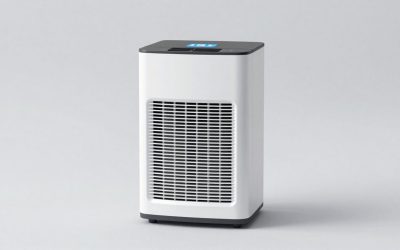
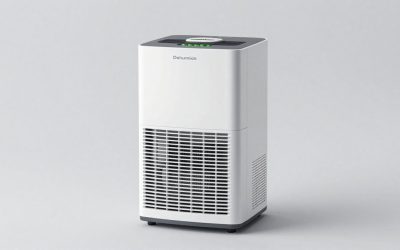
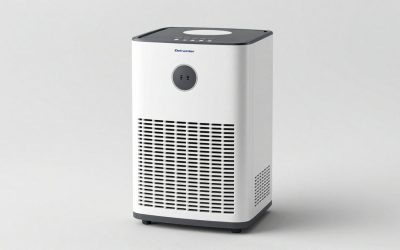
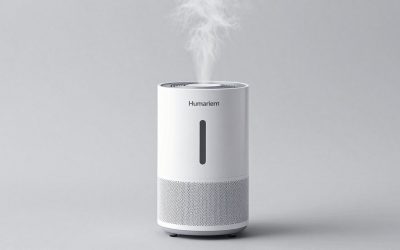
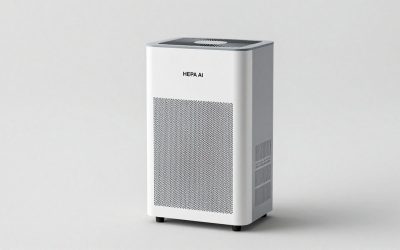
The LEVOIT Core 300 is the best overall air purifier for asthma sufferers, with the GermGuardian AC4825E tower as the runner-up. Both pair genuine HEPA-grade filtration with quiet operation, which is the combination that actually matters when you’re trying to sleep through a flare-up.
Here’s the part most buyers miss: asthma triggers don’t originate indoors. They ride in. As someone who spends most of the year working outdoors, I can tell you that pollen counts spike hours before you feel it, wildfire smoke drifts in overnight on a shifting wind, and every trip through the back door brings a fresh load of spores off the lawn and deck. Your home isn’t a sealed box — it’s a filter with a door in it. This guide covers what to look for in filtration, noise, and room sizing, plus five purifiers worth your money for asthma and allergy relief in bedrooms, large living spaces, and basements.
Our top picks
 LEVOIT Air Purifier for Home Allergies and
- AHAM (Association of Home Appliance Manufacturers) is an…
- A powerful 56W high-torque motor and 143 CFM…
- AHAM VERIFIDE, PROVEN PERFORMANCE: AHAM VERIFIDE with a…
 GermGuardian HEPA Air Purifier
- Circulates and filters air in a small bedroom…
- Leave allergy symptoms at the door
- Enjoy cleaner air, without ever thinking about it
 MOOKA Air Purifiers for Home Room up
- With the high-efficiency filtration system, the air purifier…
- The pre-filter, true HEPA filter and high-efficiency activated…
- QUIET, ENERGY-SAVING & SAFE: Thanks to the new…
| Product | Key specs | |
|---|---|---|
| LEVOIT Air Purifier for Home Allergies and | AHAM (Association of Home Appliance Manufacturers) is an… A powerful 56W high-torque motor and 143 CFM… AHAM VERIFIDE, PROVEN PERFORMANCE: AHAM VERIFIDE with a… | Check price |
| GermGuardian HEPA Air Purifier | Circulates and filters air in a small bedroom… Leave allergy symptoms at the door Enjoy cleaner air, without ever thinking about it | Check price |
| MOOKA Air Purifiers for Home Room up | With the high-efficiency filtration system, the air purifier… The pre-filter, true HEPA filter and high-efficiency activated… QUIET, ENERGY-SAVING & SAFE: Thanks to the new… | Check price |
 2 Pack Air Purifier for Home Bedroom 2 Pack Air Purifier for Home Bedroom | 4-in-1 filter includes pre-filter layer and a combination… Activated carbon works on common household odors pet… Air purifier with Fragrance Sponge & Night Light&… | Check price |
 Rabbit Air MinusA2 SPA-780A Air Purifier Rabbit Air MinusA2 SPA-780A Air Purifier | Check price | |
 FreAire Air Purifier for Home Bedroom Large FreAire Air Purifier for Home Bedroom Large | Check price | |
 Purivortex Air Purifiers for Bedroom Purivortex Air Purifiers for Bedroom | Cleaner Air In Minutes: Purivortex is proven to… Breathe Easier with 99.97% Filtration: Purivortex HEPA air… Bigger Filter, Better Purification: Purivortex goes beyond the… | Check price |
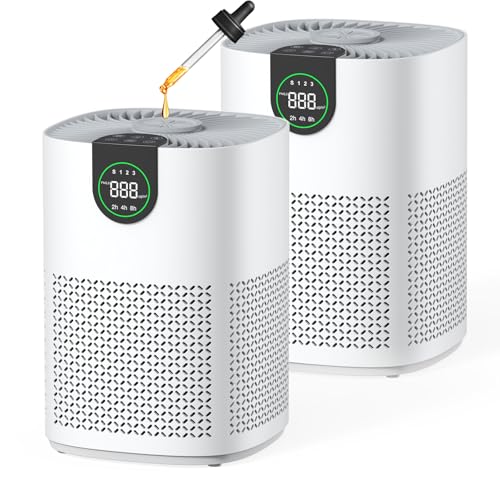 VEWIOR 2 Pack Air Purifiers with Washable VEWIOR 2 Pack Air Purifiers with Washable | 【High Valued & Efficiency Air Purifier】- VEWIOR air… 【Premium H13 Washable Filter】-The air purifier for bedroom… 【Real-Time Air Quality Display & Auto Mode】- The… | Check price |
As an Amazon Associate we earn from qualifying purchases at no extra cost to you.
Quick Comparison
| Product | Best For | Standout Feature | Rating |
|---|---|---|---|
| LEVOIT Core 300 | Bedrooms and small rooms | 24dB sleep mode with H13 True HEPA | Excellent |
| GermGuardian AC4825E | Budget buyers, dorms, offices | 22″ tower with carbon pre-filter | Very Good |
| MOOKA B-D02L | Large open living areas | Coverage up to 1,076 sq ft | Very Good |
| 2-Pack H13 True HEPA Purifiers | Covering two rooms at once | 99.9% removal down to 0.1 microns | Good |
| Rabbit Air MinusA2 SPA-780A | Severe or diagnosed asthma | Asthma & Allergy Friendly certified | Excellent |
How to Choose an Air Purifier for Asthma Sufferers
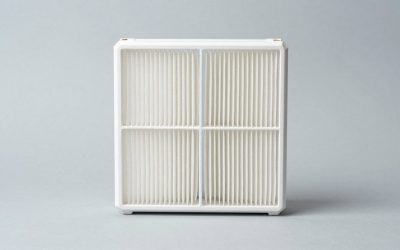
- True HEPA, not “HEPA-type”: Only a genuine H13 or H14 True HEPA filter captures 99.97% of particles at 0.3 microns — the range that includes pollen fragments, mold spores, and fine smoke.
- Skip ozone generators: Ionizers and ozone-producing purifiers can irritate asthmatic airways. If a unit has an ionizer, make sure it can be switched off permanently.
- Match CADR to your room, then oversize it: Buy for roughly 1.5x your actual square footage so the unit can run on low. A purifier on high in a small room is a purifier you’ll turn off.
- Noise floor under 30dB: Overnight is when airways narrow. A unit that hits 24dB on sleep mode will actually run all night, which is where the real air-quality gains happen.
- Activated carbon for the outdoor stuff: HEPA doesn’t touch gases. Carbon handles smoke odor, VOCs, and the mustiness that creeps up from a damp basement.
The Best Air Purifiers for Asthma Sufferers Reviewed
Best Overall: LEVOIT Core 300
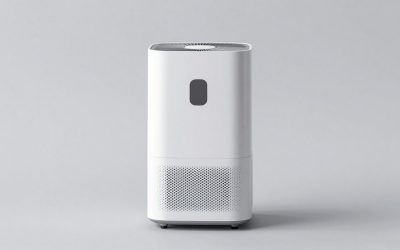
The Core 300 is my default recommendation because it nails the two things asthma sufferers need most: a real H13 True HEPA filter and a 24dB sleep mode quiet enough to disappear. Best for anyone treating a single bedroom or home office as their clean-air refuge during pollen or smoke season.
Best Budget: GermGuardian AC4825E
This 22-inch tower delivers HEPA filtration plus a charcoal pre-filter at an entry-level price, and its slim footprint suits crowded rooms. Best for renters, students, and anyone outfitting a second or third room without doubling their budget.
Best Premium: MOOKA B-D02L
Rated for rooms up to 1,076 square feet, the B-D02L is built for open-plan living areas where smaller units simply recirculate the same corner of air. Best for households with pets, a wood stove, or a great room that connects to the kitchen.
Best for Whole-Home Coverage: 2-Pack H13 True HEPA Purifiers
Two matched H13 units let you run filtration in the bedroom and the main living space simultaneously, which beats dragging one purifier around the house. Best for families where more than one person has allergies or asthma.
Best for Severe Asthma: Rabbit Air MinusA2 SPA-780A
The MinusA2 is certified Asthma & Allergy Friendly, uses a six-stage filter system, and mounts on the wall to stay out of the way. Best for anyone with a formal asthma diagnosis who wants third-party validation rather than marketing claims.
Frequently Asked Questions
Do air purifiers actually help asthma?
Yes, when they use True HEPA filtration and run continuously. Clinical evidence supports reduced particulate exposure improving symptoms, though a purifier supplements medication and trigger avoidance rather than replacing them.
Should I run it all night or all day?
Both, ideally. Airborne particles settle and resuspend constantly, so continuous low-speed operation maintains cleaner air far better than short bursts on high.
Will a purifier handle wildfire smoke?
HEPA captures the fine particulate, but you need activated carbon for the gases and odor. During heavy smoke events, close windows, seal gaps, and run the unit on high.
What about basement mold and humidity?
A purifier removes airborne spores, but it won’t fix the moisture feeding them. Pair it with a dehumidifier holding relative humidity between 40 and 50 percent.
Final Thoughts
For most asthma sufferers, the LEVOIT Core 300 is the right buy — quiet, effective, and affordable enough to place in the room where you sleep. Step up to the Rabbit Air MinusA2 if your asthma is diagnosed and severe, or the MOOKA B-D02L if you need to clean a large open space rather than a single bedroom.