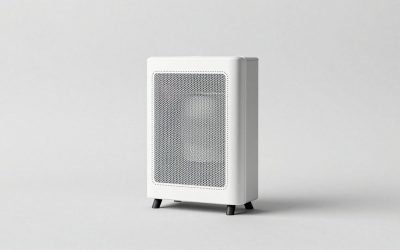
Integrating a scenting system directly into your central heating and cooling infrastructure represents the pinnacle of modern home fragrance. Instead of relying on multiple standalone plug-in units that only cover isolated rooms, HVAC-integrated diffusers leverage your existing ductwork to distribute a consistent, subtle aroma across every floor of your residence. This whole-house approach ensures uniform coverage without cluttering your living spaces with visible hardware, messy cords, or localized hot spots of heavy perfume.
Yet, navigating the market for these advanced systems requires looking past flashy smartphone interfaces and bold marketing claims. True performance depends on mechanical reliability, proper sizing for your specific square footage, and seamless compatibility with your existing HVAC setup. This decision guide outlines the critical factors you need to evaluate before investing in a whole-home scenting solution to ensure you select a device that operates reliably and effectively.
As an Amazon Associate we earn from qualifying purchases at no extra cost to you.
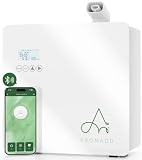
Understanding Cold-Air Diffusion Technology
When shopping for a smart diffuser designed for HVAC connection, the single most important technological specification to look for is cold-air diffusion, often referred to as nebulization. Traditional heat-based diffusers degrade the chemical integrity of aromatic oils and alter scent profiles, while ultrasonic diffusers add unwanted humidity to your air stream. Cold-air technology uses high-pressure air filtration to break fragrance oils into a microscopic dry vapor of micro-particles. This vapor remains suspended in the air longer and travels efficiently through your ductwork without leaving an oily residue on your vents or interior walls.
HVAC Compatibility and Ductwork Placement
Before purchasing any system, you must understand how it physically connects to your home environment. Some units are designed to plumb directly into the supply or return plenum of your HVAC trunk line, while others sit adjacent to your air handler and feed via a flexible delivery tube inserted into a small drilled hole in the duct. Consider whether your system requires hard-plumbing by an HVAC technician or if it can be easily installed as a DIY bypass project. Additionally, check if your system requires the HVAC fan to be running continuously or if it operates independently by pushing air through its own internal booster fan into the ducts.
App Ecosystems, Scheduling, and Smart Home Integration
The smart aspect of these diffusers is what separates basic commercial setups from modern residential units. A quality companion app should allow you to create granular, day-by-day schedules tailored to your lifestyle, ensuring the system only runs when you are home and awake. Look for features like intensity adjustment levels, interval pacing, and automatic safety shut-offs when oil levels drop. Furthermore, evaluate whether the device integrates smoothly with broader smart home ecosystems, allowing you to trigger scent profiles via voice commands or automated routines tied to your morning alarms.
Calculating Capacity and Square Footage Ratings
Manufacturer claims regarding square footage coverage can often be misleading because they assume ideal airflow conditions and high fan run-times. When evaluating capacity, look closely at the reservoir size and the recommended cubic footage of your home rather than just flat square footage numbers. If you live in an open-concept multi-story home with high ceilings, you will need a unit with a higher output rate and a larger oil reservoir to handle the expanded air volume. Always size up if your home sits near the upper limit of a diffuser’s rated capacity to prevent premature mechanical wear.
Oil Quality, Bottle Capacity, and Maintenance Demands
Owning a smart HVAC diffuser involves ongoing maintenance that extends beyond simple refilling. Most proprietary systems require high-grade, pure aromatic oils designed specifically for nebulizing diffusers; using thick carrier oils or low-grade fragrances will quickly clog the internal atomization nozzle. Pay attention to bottle capacity, as larger reservoirs mean you only need to swap or top off oils every few months rather than every couple of weeks. Additionally, check how easy it is to clean the internal jets and whether the manufacturer provides specialized cleaning solutions to maintain peak operational efficiency.
Noise Levels and Vibration Dampening
Because these units either mount directly to metal ductwork or sit inside utility closets, operational noise and vibration can easily transmit through your home structure. A poorly constructed internal air compressor will create a persistent hum or rattling sound that becomes irritating when installed near bedrooms or living areas. Look for models that incorporate rubber gasket mounts, acoustic insulation casing, and vibration-dampening feet. Reading user feedback regarding actual operational sound levels is essential before committing to a specific hardware brand.
When It Makes Sense to Spend More on Commercial-Grade Units
Entry-level smart diffusers often tempt buyers with lower upfront costs, but they frequently feature plastic internal components and weaker pumps that struggle with long-term continuous operation. Investing in a higher-tier, commercial-grade unit usually buys you a robust aluminum chassis, a heavy-duty diaphragm pump capable of lasting years longer, and superior customer support. If you have a large sprawling floor plan, multiple HVAC zones, or simply want a set-it-and-forget-it appliance that requires minimal troubleshooting, spending extra upfront pays off significantly in durability and peace of mind.
Related Guides
If you are ready to compare specific models currently on the market, take a look at our Best Smart Diffusers with Hvac Integration in 2026: Compared and Ranked roundup to see our top picks and performance test results.
FAQ
Do smart HVAC diffusers work when the fan is off?
Most HVAC-integrated diffusers rely on the central system’s airflow to distribute scent throughout the home effectively. However, many advanced models feature built-in internal fans that can push vapor directly into the ductwork even when your heating or cooling system is idle, provided the unit is plumbed correctly.
Can I use any essential oil with an HVAC diffuser?
No, you should strictly use pure aroma oils or specialized cold-air diffusion oils recommended by the manufacturer. Standard water-based essential oils or thick carrier oils will clog the delicate nebulizing nozzle and void your hardware warranty.
Is professional installation required for these systems?
While many standalone bypass units are designed for straightforward DIY installation using basic tools, some commercial-grade systems require drilling into metal plenum trunks. If you are uncomfortable working around your main HVAC trunk line, hiring a professional technician ensures a secure, leak-free connection.
How often do the fragrance bottles need to be refilled?
Refill frequency depends heavily on your bottle size, scent intensity settings, and daily runtime schedules. On average, residential units with moderate daily use require a refill or bottle swap every few months.