Buying a smart air conditioner has evolved far beyond simple smartphone control or basic voice assistant integration. In 2026, modern cooling units are sophisticated climate management appliances equipped with advanced sensors, energy tracking capabilities, and automated scheduling designed to optimize both comfort and electricity usage. However, sorting through flashy marketing terms and proprietary apps can easily overwhelm even the most tech-savvy homeowner.
To cut through the noise, you need to focus on core performance specs, physical compatibility with your living space, and the reliability of the underlying software ecosystem. Whether you are replacing an outdated window unit or outfitting an entire floor, understanding what actually drives long-term value will save you from frustrating connectivity drops, inflated utility bills, and premature equipment failure.
As an Amazon Associate we earn from qualifying purchases at no extra cost to you.

1. Accurate BTU Sizing and Room Geometry
The single most critical factor in purchasing any air conditioner is matching the cooling capacity, measured in British Thermal Units (BTUs), to the exact dimensions of your room. An undersized unit will run continuously without ever reaching your desired temperature, wearing out the compressor and driving up your electric bill. Conversely, an oversized unit will cool the space too quickly before it has a chance to properly dehumidify the air, leaving you with a clammy, uncomfortable environment.
When calculating your needs, account for more than just square footage. High ceilings, south-facing windows, open-concept archways, and high ambient heat sources like kitchens or home offices all require stepping up your BTU tier. Smart models often feature eco-modes that dynamically adjust compressor speeds, but they cannot magically overcome a fundamental mismatch between unit capacity and room load.
2. Ecosystem Compatibility and App Reliability
The smart label loses its value quickly if your air conditioner refuses to talk to your smart home hub or drops its Wi-Fi connection every few days. Look for units that support major universal platforms like Apple Home, Google Home, and Amazon Alexa, alongside open-API support if you utilize advanced home automation systems like Home Assistant. Local control capabilities—meaning the unit works via physical remote or local network even if your internet goes down—are a massive plus.
Examine user reviews specifically regarding companion app stability. A clunky interface with intrusive ads or sluggish response times turns a convenient feature into a daily annoyance. Reliable apps should offer intuitive scheduling, geofencing capabilities to turn off cooling when you leave the house, and clear historical energy consumption graphs.
3. Energy Monitoring and Efficiency Standards
Cooling a home represents one of the largest energy expenditures during warmer months, making efficiency a top priority. Modern smart air conditioners excel in this area by providing real-time energy tracking, allowing you to see exactly how many kilowatt-hours your cooling habits consume. Look for certifications that guarantee high energy efficiency ratios, and prioritize models with variable-speed inverter compressors rather than traditional single-stage compressors that constantly cycle full blast on and off.
Advanced energy features also include predictive scheduling that learns your routine, cooling your space efficiently during off-peak electricity hours. Over a multi-year lifespan, the savings generated by precise algorithmic temperature management can offset a higher upfront purchase price.
4. Noise Levels and Acoustic Engineering
An air conditioner can be brilliantly smart and energy-efficient, but if it sounds like a jet engine taking off in your bedroom, you will quickly regret the purchase. Manufacturers measure noise output in decibels, and a quality bedroom unit should ideally operate below a quiet conversational threshold on its lowest settings. Inverter-driven models naturally run much quieter because their compressors ramp down smoothly instead of clicking loudly on and off.
Pay attention to fan design and vibration dampening materials used in the chassis. Smart features should include a dedicated sleep mode that gradually increases the target temperature by a degree or two overnight while minimizing fan speeds to prevent disruptive white-noise spikes while you sleep.
5. Indoor Air Quality and Filtration Features
Because modern air conditioners constantly circulate indoor air, they play a vital role in overall home air quality. Standard mesh filters only catch large dust bunnies and pet hair, but premium smart units incorporate multi-stage filtration systems including activated carbon filters for odors and volatile organic compounds, as well as fine particulate filters.
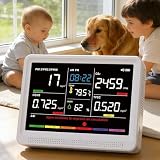
Many smart models now feature built-in air quality monitors that track particulate matter or humidity levels in real time. These sensors can automatically trigger higher fan speeds or dehumidification cycles when indoor air quality drops, ensuring your climate control system actively works to keep your air clean and healthy.
6. Installation Constraints and Venting Styles
Before falling in love with a specific smart feature set, verify how the unit physically installs in your home. Traditional window units require secure mounting brackets and proper window frame dimensions. If your home features casement windows or historic architectural restrictions, standard units will not work safely without professional modification.
For alternative layouts, you might need to explore specialized form factors. Ensuring proper physical fit, weather-stripping clearance, and electrical outlet proximity prevents dangerous DIY rigging and ensures your smart cooling investment operates safely throughout heavy-use seasons.
Related Guides
To explore specific product recommendations and alternative configurations, be sure to browse our expert roundups. You can find our top picks for smart air conditioners, compare whole-home options with our guide to mini split systems, or check out space-saving choices in our review of through the wall units.
FAQ
Do smart air conditioners require a continuous internet connection to function?
No, smart air conditioners can still be operated using their physical control panels, included handheld remotes, or local network commands. However, losing your internet connection means you temporarily lose remote smartphone access, cloud-based voice assistant integration, and real-time app notifications.
How much money do smart cooling features actually save on electricity bills?
Smart features can reduce cooling energy consumption by ten to twenty percent through optimized scheduling, geofencing, and variable-speed compressor management. The exact savings depend heavily on your local utility rates, climate, and how disciplined you are about setting up automated routines.
Can I integrate a smart air conditioner into an existing home automation system?
Most modern units integrate seamlessly with major platforms like Apple Home, Google Home, and Amazon Alexa out of the box. For advanced open-source platforms, checking for local API support or Matter protocol compatibility before purchasing ensures smooth integration.
How often should I clean or replace the air filters in a smart AC?
You should inspect and clean reusable mesh filters every two weeks during heavy summer usage to maintain optimal airflow and efficiency. Many smart air conditioners feature built-in filter reminder alerts that track operational hours and notify your phone when maintenance is required.