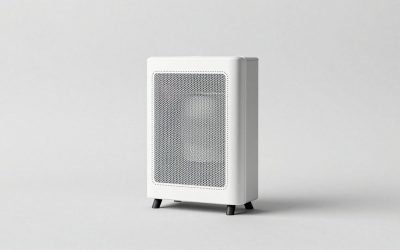
Basements are notoriously difficult environments for climate control, often acting as subterranean sponges that absorb moisture from surrounding soil while trapping stagnant indoor air. Standard portable dehumidifiers can temporarily dry out a single corner, but managing a sub-grade foundation requires serious infrastructure, especially as modern homeowners demand seamless, hands-off humidity management across their entire property. Choosing a premium whole-house system is a major investment in your home’s structural integrity and indoor air quality.
Navigating the high-end market means looking past flashy marketing claims and focusing on core engineering specifications, drainage reliability, and long-term operating efficiency. Whether you are retrofitting an older home or designing a brand-new climate control layout in 2026, understanding what separates a commercial-grade residential unit from a glorified portable appliance will ensure you select a system that protects your basement year-round without constant maintenance headaches.
As an Amazon Associate we earn from qualifying purchases at no extra cost to you.

Understanding Basement Moisture Dynamics
Before evaluating any hardware, you must understand why basements present unique moisture challenges compared to upper levels. Cool foundation walls naturally chill ambient indoor air, raising relative humidity and creating ideal conditions for condensation, mold growth, and musty odors. Premium whole-house systems are engineered to handle these heavy latent moisture loads continuously, pulling damp air from the lowest level of the house and treating it before it can migrate upward through your living spaces.
Capacity and Sizing Beyond Square Footage
Manufacturers often list square footage guidelines, but basement sizing requires a more aggressive calculation based on moisture severity rather than just floor space. A moderately damp basement with exposed concrete and poor sealing requires significantly more pint-per-day extraction capacity than a fully finished, vapor-barrier-sealed subterranean level with identical dimensions. Always factor in ceiling height, regional climate, and whether you live near a high-water table when determining your baseline capacity requirements.
Ducted Integration vs. Standalone Operation
One of the primary decisions you will face is how the unit interfaces with your existing infrastructure. Premium whole-house dehumidifiers can operate as standalone units pulling air from a central basement location, or they can be fully integrated into your HVAC ductwork for balanced distribution. Duct integration is typically superior for multi-room basements, ensuring that hidden corners and enclosed storage rooms receive the same dry air circulation as the main open area.
Drainage Reliability and Gravity vs. Condensate Pumps
Because basements sit below the main drainage level of most homes, continuous water removal is a critical failure point if not planned correctly. High-end systems offer flexible drainage options, but relying solely on gravity drainage requires an elevated platform or precise floor-drain alignment. For most installations, investing in a robust internal or external condensate pump with an automatic safety overflow switch is mandatory to prevent catastrophic water backups during peak summer operating cycles.
Filtration and Indoor Air Quality Enhancements
Basements collect dust, mold spores, and organic debris faster than any other part of the house, making air filtration an essential secondary function of your dehumidifier. Premium models include upgradable MERV-rated filters that scrub the air as it passes through the refrigeration coils. This dual-action capability not only drops the relative humidity to prevent mold germination but also traps existing airborne particulates, drastically improving the overall air quality circulating through your home.
Noise, Vibration, and Basement Placement
Even though basements are out of sight, heavy-duty compressors and powerful blower fans generate noticeable noise and mechanical vibration that can travel through wood framing into upper floors. Premium units utilize heavy-gauge insulated cabinets, variable-speed fan motors, and vibration-isolating feet to minimize operational sound. Strategic placement away from basement bedrooms or entertainment areas, combined with proper hanging or floor mounts, ensures your high-capacity system remains completely unnoticed.
Common Mistakes to Avoid When Buying
The most common mistake buyers make is purchasing an undersized unit to save upfront costs, forcing the compressor to run continuously and burning out the motor prematurely. Another frequent error is ignoring electrical requirements; many high-capacity whole-house systems require dedicated circuit wiring rather than standard household outlets. Finally, failing to plan for regular filter changes and coil cleanings will rapidly degrade performance, regardless of how much you spent on the initial hardware.
Related Guides
To explore specific product recommendations and complementary climate control options for your subterranean spaces, check out our curated resources. Compare top-tier contenders in our Best Premium Whole House Dehumidifier Systems for Basements in 2026: Compared and Ranked. For broader whole-house options, review the Best Whole House Dehumidifiers for Basements in 2026: Compared and Ranked. If you also struggle with cold underground temperatures during winter months, explore our picks for the Best Space Heaters for Basements in 2026: Compared and Ranked.
FAQ
How do whole-house basement dehumidifiers differ from portable units?
Whole-house systems are permanently installed, feature higher moisture extraction capacities, offer automated humidistat control, and can be integrated directly into your home HVAC ductwork. Portable units require manual water bucket emptying and only treat the immediate room where they are placed.
Can I install a whole-house basement dehumidifier myself?
While mechanically inclined homeowners can mount the unit and run drainage lines, electrical wiring and HVAC duct integration typically require professional installation to ensure code compliance and optimal airflow performance.
What is the ideal humidity level to maintain in a basement?
You should aim to keep your basement relative humidity between 45% and 50%. Anything above 60% creates an inviting environment for mold growth, dust mites, and musty odors.
How often do whole-house dehumidifier filters need to be replaced?
Under normal operating conditions, filters should be inspected every two to three months and replaced at least twice a year. Dusty basement environments may require more frequent maintenance to protect internal coils.