Shopping for an under sink reverse osmosis system can quickly become overwhelming due to the sheer number of technical specifications, acronyms, and design variations available. While many buyers focus entirely on the initial purchase price or brand popularity, the true long-term value of a water purification setup depends on how well its core architecture matches your household water quality and daily consumption habits.
This guide strips away marketing hype to focus on the mechanical and structural factors that actually dictate performance. By evaluating flow rates, wastewater ratios, stage configurations, and physical installation constraints, you can select a system that delivers reliable, crystal-clear drinking water without unexpected headaches or recurring maintenance issues.
As an Amazon Associate we earn from qualifying purchases at no extra cost to you.

Tankless Versus Traditional Tank Systems
One of the most consequential decisions you will make when choosing a reverse osmosis unit is whether to opt for a tankless model or a traditional system with a pressurized storage tank. Traditional setups store purified water in a metal or composite tank underneath the cabinet, which is necessary because standard reverse osmosis membranes filter water quite slowly drop by drop. While these systems are reliable and do not require electricity to operate the storage pressure, the tanks take up a significant amount of valuable under-sink real estate and can harbor bacteria if the inner bladder degrades over many years of stagnant use.
Conversely, tankless systems utilize high-capacity internal booster pumps to push water through the membrane rapidly on demand. This design delivers a steady, high-flow stream directly to your dedicated faucet, eliminating the risk of stagnant tank water and freeing up massive amounts of storage space. However, tankless units require an electrical outlet beneath the sink to power the internal pump, and they tend to produce a noticeable mechanical hum during active water filtration cycles. If your cabinet space is severely limited and you prefer freshly filtered water on demand, a tankless unit is usually worth the higher upfront investment.
Evaluating Daily Production Capacity and Wastewater Ratios
System capacity is measured in Gallons Per Day, indicating how much purified water the unit can generate over a twenty-four-hour period. Standard residential configurations typically range from smaller entry-level capacities up to high-output systems designed for large families or small offices. Matching this specification to your household size prevents frustrating situations where you run out of purified water during heavy cooking or drinking periods. Keep in mind that advertised production ratings are tested under optimal laboratory conditions with specific water temperatures and incoming pressures, meaning your real-world output may vary slightly.
Equally important is the wastewater ratio, which dictates how much water is sent down the drain for every gallon of pure water produced. Older legacy systems often featured inefficient ratios, wasting multiple gallons of water for every single gallon of drinking water created. Modern high-efficiency systems have drastically improved this metric, achieving much tighter ratios that conserve water and lower utility impacts. Checking the efficiency rating before purchasing ensures your environmental footprint and water bills remain manageable over the lifetime of the unit.
Decoding Filtration Stages and Membrane Types
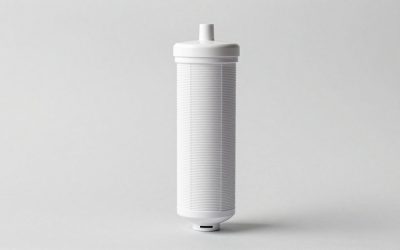
The core cleaning power of any reverse osmosis setup relies on a multi-stage filtration process. Typically, systems feature initial pre-filters designed to capture larger particulate matter like dirt, rust, and silt, alongside activated carbon filters that neutralize chlorine and chloramines. Because chlorine can chemically degrade the delicate semi-permeable reverse osmosis membrane, maintaining these pre-filters is vital to protecting the heart of the system. Following the pre-filters, the water is forced through the main RO membrane, which removes dissolved solids, heavy metals, and microscopic impurities.
Many advanced setups also include a post-filtration stage, often referred to as a remineralization or alkaline filter. Because reverse osmosis strips virtually everything out of the water—including beneficial minerals—the water can taste slightly flat or acidic. Remineralization stages reintroduce healthy amounts of calcium and magnesium back into the stream, improving both the taste profile and the overall pH balance. When shopping, examine the specific stage breakdown to ensure the unit addresses the precise contaminant profile present in your municipal supply or well water.
Assessing Under-Cabinet Space and Plumbing Constraints
Physical compatibility is frequently overlooked until the day of installation, leading to frustrating returns or complicated modifications. Before purchasing any unit, take meticulous measurements of your under-sink area, factoring in existing plumbing lines, garbage disposals, cleaning supplies, and trash pull-outs. Traditional tank systems require ample vertical and horizontal clearance to accommodate both the multi-stage filter housing and the pressurized storage vessel. Tankless models eliminate the tank hurdle but still demand sufficient width for wider filter cartridges and electrical cords.
You must also examine your existing plumbing setup to determine compatibility with the feed water adapter and drain saddle. Most kits include standard adapters that fit common angle stop valves, but specialized plumbing may require custom fittings. Additionally, check local building codes regarding dedicated air-gap faucets. Some municipalities mandate air gaps to prevent backflow contamination, which requires drilling an extra hole in your countertop or sink deck and routing specialized tubing, whereas other regions permit simpler non-air-gap connections.
Factoring in Long-Term Maintenance Costs
An under sink reverse osmosis system is an ongoing investment rather than a one-time purchase. Filter cartridges have finite lifespans and must be replaced regularly to maintain water safety and optimal flow rates. Sediment and carbon pre-filters typically require changing every six to twelve months, while post-filters and remineralization cartridges follow a similar schedule. The main reverse osmosis membrane is more durable, often lasting anywhere from two to four years depending heavily on your incoming water hardness and total dissolved solids.
When evaluating units, look beyond the upfront sticker price and calculate the annual cost of replacement filters. Some manufacturers utilize proprietary twist-and-lock filter designs that make swapping cartridges effortless and mess-free, though proprietary filters can sometimes carry a higher price tag compared to universal drop-in canister filters. Choosing a system with transparent, readily available replacement parts ensures you will not be trapped paying inflated prices for routine upkeep down the road.
The Importance of Integrated Leak Detection and Safety Features
Water damage underneath a kitchen sink is every homeowner’s worst nightmare, making built-in safety mechanisms a critical factor when choosing a system. Because reverse osmosis units operate under constant municipal water pressure, a loose fitting, cracked housing, or degraded tubing connection can result in significant property damage if left undetected. Modern premium systems increasingly incorporate electronic leak detection sensors that automatically shut off the incoming water supply the moment moisture is detected on the cabinet floor.
Beyond active leak sensors, look for units featuring automatic shut-off valves that halt wastewater production when the storage tank is full or the faucet is closed, preventing continuous drainage issues. Some advanced systems also include digital display panels or indicator lights on the dedicated faucet that provide real-time feedback on filter life status and total dissolved solids levels, taking the guesswork out of maintenance scheduling and ensuring peace of mind.
Related Guides
To further explore water purification and home environment optimization, check out these expert resources: Read more about top options in our Best Under Sink Reverse Osmosis Systems in 2026: Compared and Ranked roundup, compare broader choices in the Best Under Sink Reverse Osmosis Water Systems in 2026: Compared and Ranked guide, and review whole-home climate controls in our Best Ambient Ceiling Mounted Air Filtration Systems in 2026: Compared and Ranked article.
FAQ
How often do under sink reverse osmosis filters need to be changed?
Sediment and carbon pre-filters typically need replacement every six to twelve months to protect the core membrane. The actual reverse osmosis membrane lasts much longer, usually between two to four years depending heavily on your local water quality.
Do I need an electrician to install a tankless reverse osmosis system?
Most tankless reverse osmosis systems simply plug into a standard under-sink electrical outlet to power their internal booster pumps. As long as you have an available GFCI outlet beneath your sink, professional electrical work is generally unnecessary.
Will a reverse osmosis system remove all minerals from my drinking water?
Yes, standard reverse osmosis membranes remove up to ninety-nine percent of total dissolved solids, which includes beneficial minerals like calcium and magnesium. Many modern systems mitigate this by incorporating a remineralization stage to restore healthy mineral content and improve taste.
Why does a reverse osmosis system waste water?
The reverse osmosis process relies on water pressure to push molecules through a semi-permeable membrane, using a continuous stream to flush away rejected contaminants down the drain. While older models wasted significant amounts of water, modern high-efficiency units feature much improved recovery ratios.