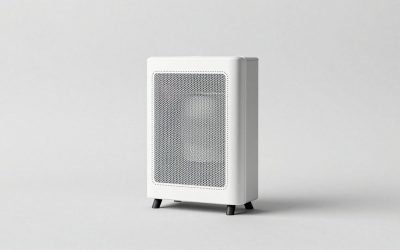
Choosing a console humidifier for your home requires looking past flashy marketing claims and focusing on the core mechanics that dictate daily performance. Unlike smaller room units designed for a single bedroom, console humidifiers are heavy-duty appliances meant to manage moisture levels across large open-concept areas, multiple adjoining rooms, or entire upper floors. Making the wrong choice often leads to constant refilling, annoying maintenance bottlenecks, or underpowered performance during the driest winter months.
The gap between poorly engineered budget models and reliable, well-designed units is substantial. To help you navigate the market effectively, this guide breaks down the essential performance specifications, design features, and structural differences that truly matter when investing in a high-capacity moisture solution for your living space.
As an Amazon Associate we earn from qualifying purchases at no extra cost to you.

Understanding Capacity vs. Coverage Area
The single biggest mistake buyers make is relying solely on the manufacturer’s maximum square footage rating without considering ceiling heights, open floor plans, and overall home layout. Console units are typically rated for large spaces, but these numbers assume standard eight-foot ceilings and average airtightness. If your home features vaulted ceilings, loft spaces, or heavy draft infiltration from older windows, a unit rated for a specific square footage will struggle to maintain target relative humidity levels.
Instead of just looking at square footage, examine the daily moisture output measured in gallons per day. A true console unit should be capable of outputting a substantial amount of water into the air over a twenty-four-hour period to meaningfully shift the humidity of a large footprint. Always size up if your home tends to be exceptionally dry or if you live in a very cold climate where heating systems run continuously, drying out the indoor air.
Evaporative vs. Ultrasonic: The Console Debate
Console humidifiers almost universally rely on evaporative technology rather than ultrasonic mist generation, and for good reason. Ultrasonic large-room units tend to precipitate fine white mineral dust all over furniture and electronics when tap water is used, and they can easily over-saturate localized areas, causing wet spots on flooring. Evaporative consoles use a fan to blow air through a saturated wick or belt filter, naturally absorbing moisture into the air through evaporation.
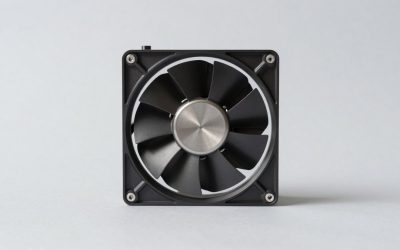
This natural evaporation process brings a major built-in advantage: self-regulation. As the ambient humidity in the room rises, the rate of evaporation naturally slows down, making it much harder to accidentally drive your indoor humidity up into the danger zone where mold and dust mites thrive. When shopping for a console, prioritize evaporative models featuring robust fan assemblies capable of distributing air evenly across a wide radius without creating a disruptive draft.
Tank Design and Refill Ergonomics
Because console humidifiers process a large volume of water daily, tank design dictates how pleasant or frustrating your ownership experience will be. Units that feature dual removable tanks are often much easier to carry to a sink than a single massive reservoir weighing forty pounds when full. Pay close attention to whether the tanks fit easily beneath standard bathroom or kitchen faucets, or if you will be forced to use a pitcher or hose to fill them in place.
Look for wide tank openings that allow your hand to reach inside for regular cleaning. Slim, awkward internal cavities are breeding grounds for biofilm and mineral scale, and if you cannot physically scrub the interior surfaces, maintenance becomes an impossible chore. Bottom-heavy tank designs also reduce the risk of accidental tipping during transport, protecting your floors from sudden water spills.
Maintenance Demands and Wick Filters
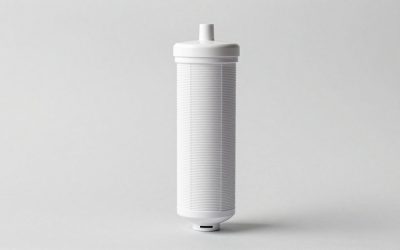
Every evaporative console humidifier requires consumable wick filters that trap minerals and facilitate evaporation. Before purchasing a specific model, check the ongoing cost and availability of replacement filters. Some proprietary filter sizes are difficult to source or heavily overpriced, turning routine annual maintenance into a recurring financial burden. Plan to replace these filters multiple times a year depending on your local water hardness.
Water quality plays a massive role in how often you must clean your system and replace wicks. If you have hard water containing high levels of calcium and magnesium, mineral crust will rapidly build up on the wick and tank floor. Using distilled water in a high-capacity console is usually cost-prohibitive, so look for units featuring anti-microbial treated wicks and scale-trapping designs that tolerate untreated tap water better than basic entry-level alternatives.
Noise Levels in Living Spaces
Console units house powerful fans to move air across large filter surfaces, meaning noise level is a critical factor if the unit will reside in a living room, bedroom, or home office. On high settings, some industrial-style consoles can sound like a box fan running on medium-high speed. Check whether the unit features a multi-speed fan and how quiet the low setting is for overnight operation.
A well-engineered console should feature acoustic baffling or balanced fan blades that minimize high-pitched motor whines or rattling plastic housing. If you are sensitive to background noise, look for models specifically praised for quiet night modes, allowing the machine to maintain a gentle, unobtrusive hum while you sleep or watch television.
Smart Controls and Built-In Hygrometers
Modern console humidifiers increasingly incorporate digital humidistats, programmable timers, and Wi-Fi connectivity. While smartphone apps and smart home integration can be convenient, the reliability of the built-in hygrometer is far more important. A poorly calibrated internal sensor located right next to the evaporating water source will read falsely high humidity levels, causing the unit to shut off prematurely.
Look for models that allow you to calibrate the hygrometer or use an external, remote wireless humidity sensor placed across the room for accurate readings. Programmable target humidity controls allow you to lock in a specific percentage—typically between forty and fifty percent—so the machine automatically cycles on and off to maintain comfort without constant manual intervention.
When to Spend More on a Premium Model
Budget console humidifiers may look appealing on paper, but they frequently cut corners on build quality, fan motor durability, and plastic thickness. Spending more on a premium model generally gets you a heavier-duty brushless motor designed for continuous multi-season operation, thicker food-grade plastics that resist cracking, and better customer support or warranty coverage.
If you have a sprawling home, expensive hardwood floors that are sensitive to dry shrinking, or musical instruments that require strict humidity stability, investing in a top-tier console is well worth the upfront cost. Premium units also tend to feature more intuitive control panels, superior filter retention systems, and advanced diagnostic error codes that tell you precisely when maintenance is required.
Related Guides
To round out your home moisture management strategy, explore our other expert resources. If you are comparing top-performing options currently available, check out our Best Console Humidifiers in 2026: Compared and Ranked for specific model recommendations. For those managing specialized indoor environments, our guide on the Best Grow Room Humidifiers in 2026: Compared and Ranked offers deep insights into heavy-duty output management.
FAQ
How close to a wall should I place a console humidifier?
You should place your console humidifier at least six inches away from walls, furniture, and curtains to ensure unobstructed airflow intake and exhaust. Placing the unit too close to vertical surfaces can cause moisture to condense directly onto the wall or restrict the fan’s ability to circulate air properly.
Can I use essential oils in a console humidifier?
Most standard evaporative console humidifiers are not designed to handle essential oils directly in the water tank. Adding oils can degrade the plastic reservoirs, gum up the evaporative wick filters, and damage internal fan components unless the model explicitly features a dedicated aromatherapy tray.
How often should I clean my console humidifier?
You should empty, rinse, and wipe down the water tanks at least once a week to prevent bacterial slime and mineral buildup. Deep descaling with a vinegar solution and replacing the evaporative wick filter should occur every one to three months depending on your local water hardness and frequency of use.
Why is my console humidifier running constantly without raising the room humidity?
Continuous operation without noticeable humidity gains usually indicates that the unit is undersized for the space, the evaporative wick is fully caked in mineral scale, or high air exchange rates like open windows or active ventilation are counteracting the moisture output. Check your wick filter condition first, and ensure doors to unconditioned zones are kept closed.