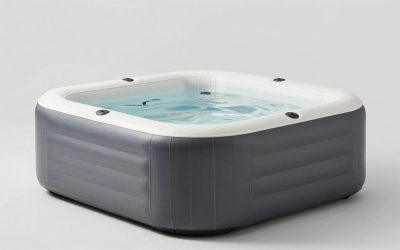
Our Top Picks
 Bestway SaluSpa Cancun Energy-Efficient 2-4 Person Inflatable HotEnergy Efficient 2.00 x 0 x 0 inchesCheck on Amazon
 Coleman SaluSpa Sicily Energy-Efficient 5-7 Person Inflatable HotEnergy Efficient85 x 85 x 28 inches0 PoundsCheck on Amazon
 Coleman SaluSpa Hawaii Energy-Efficient 4-6 Person Inflatable HotEnergy Efficient 2.071 x 71 x 28 Inches0 poundsCheck on Amazon
The best inflatable hot tubs for cold weather are models with a full-foam or insulated floor, a well-fitting thermal cover, freeze protection that can run continuously, and a heater rated for the temperatures you expect—not simply the tub with the highest advertised water temperature.
Inflatable spas can work through winter, but they lose heat much faster than rigid-shell tubs. Wind, frozen ground, an uncovered water surface, and repeated draining are harder on the liner and heating system than ordinary summer use. The right purchase therefore depends on insulation, heater output, controls, and how much winter maintenance you are willing to do.
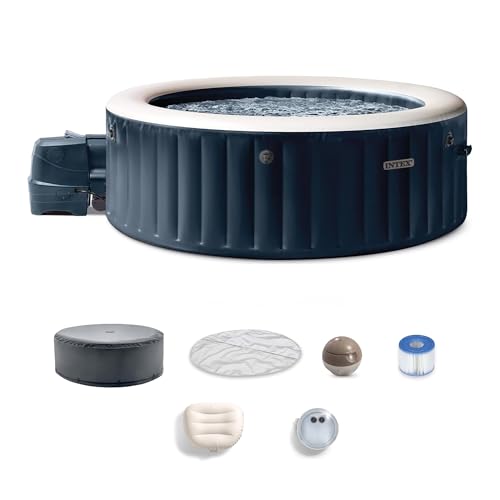
INTEX PureSpa 6 Person Inflatable Hot Tub with Energy-Efficient Spa Cover
Picked as a relevant option in this category.
View on AmazonBestway SaluSpa Cancun Energy-Efficient 2-4 Person Inflatable Hot Tub
Picked as a relevant option in this category.
View on AmazonColeman SaluSpa Sicily Energy-Efficient 5-7 Person Inflatable Hot Tub
Picked as a relevant option in this category.
View on AmazonColeman SaluSpa Hawaii Energy-Efficient 4-6 Person Inflatable Hot Tub
Picked as a relevant option in this category.
View on AmazonWhat matters most in a cold-weather inflatable hot tub
Insulation under and around the tub
Air-filled walls provide some insulation, but the floor is often the largest source of heat loss. A model with an insulated ground mat or multi-layer thermal floor is better suited to cold weather than one placed directly on concrete, decking, or frozen soil. Some premium inflatable spas use foam-filled walls or a more substantial insulated structure; these retain heat better but are heavier, less compact, and usually more expensive.
Look for an insulated cover with a firm, floating core rather than a thin vinyl lid. A cover that sags into the water creates gaps around the edge and can become waterlogged. The cover should fit tightly enough to reduce wind infiltration while still being manageable for one person to remove safely.
Freeze protection and minimum operating temperature
Freeze protection is essential if the tub will remain filled outdoors. The system should circulate water and activate the heater automatically when the water or plumbing approaches freezing. Many inflatable spas offer this function, but the permitted outdoor-air temperature varies by model and region.
Read the manual before buying. Some products are intended for operation only above approximately 14°F to 40°F (-10°C to 4°C), while others require winter shutdown below a specified temperature. “Freeze protection” does not mean the tub can safely operate in every blizzard or during a prolonged power outage. If electricity fails, the plumbing can freeze even when the control panel previously showed a freeze-protection mode.
Heater performance and realistic warm-up times
Most portable inflatable spas heat gradually rather than rapidly. A common heater range is about 1,000 to 1,500 watts, with maximum water temperatures around 104°F (40°C). In mild weather, heating may take roughly 1°F to 2°F per hour. In cold or windy weather, the increase can be considerably slower, especially while the lid is open or the air jets are operating.
Air bubbles feel relaxing but cool the water because they draw cold air through the jet system. For winter use, heat the water with the cover closed, avoid running the bubble function while warming, and use massage jets for shorter periods. A circulation pump that can filter and heat at the same time is more convenient than a system that requires long pauses between functions.
Best inflatable hot tubs for cold-weather situations
| Situation | Best choice | Specifications to prioritize | Important compromise |
|---|---|---|---|
| Cold winters with the tub left filled | Four-season insulated model | Automatic freeze protection, insulated floor, fitted rigid-core cover, heater operation below 40°F | Higher purchase price and electricity use |
| Occasional winter weekends | Mid-range round spa with strong cover | 1,200–1,500 W heater, insulated ground mat, timer, replaceable filter | May need draining during severe freezes |
| Small patio or apartment terrace | Two- to four-person compact spa | About 65–75 in diameter, 25–30 in tall, verified deck load capacity | Less legroom and faster heat loss when the cover is removed |
| Two adults seeking maximum heat retention | Deep insulated spa with a smaller water volume | 180–250 gallons, thick cover, minimal exposed plumbing | Not suitable for large groups |
| Renter who must pack it away | Portable inflatable model with detachable equipment | Deflation valve, manageable boxed weight, common replacement parts | More setup and storage work every winter |
Best for severe cold: insulated, freeze-protected models
Choose this category if temperatures regularly fall below freezing and you want the spa available throughout the season. An insulated Bestway SaluSpa or Intex PureSpa configuration with an appropriate thermal cover can be a practical starting point, provided the specific model’s manual permits operation in your climate. Coleman SaluSpa products are also widely available in this category, but specifications differ by package and market.
Do not judge these tubs by the number of air jets alone. A smaller model with better insulation and a better cover can maintain temperature more efficiently than a larger, heavily aerated model with thin walls. Confirm whether the insulation is in the floor, the walls, or only a removable mat.
Best for occasional winter use: mid-range portable spas
If you use the tub once or twice a month, a standard inflatable spa with a good cover may provide better value than a premium all-season design. Warm it several hours before use, keep it covered between sessions, and drain it before an extended hard freeze if the instructions do not approve continuous winter operation.
For occasional use, also check how easily the filter housing can be opened with cold hands, whether the drain adapter reaches a safe discharge point, and whether replacement filters are