
Key takeaways
- Decide what you are willing to clean: Absorbent mats need wiping after every session without exception. If that will not happen, choose a closed-cell mat and put a washable towel on top instead.
- Never roll a damp mat: Rolling traps moisture against itself and creates the conditions for odour. Hang the mat over a rail or a door until fully dry, every single time, regardless of material.
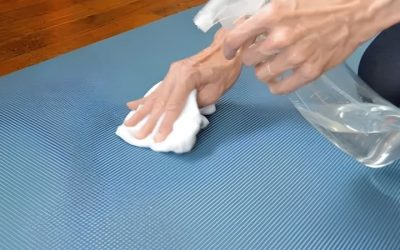
- Avoid harsh cleaners: Alcohol and strong detergents break down rubber and polyurethane surfaces, which is what causes the flaking and peeling people blame on quality. Diluted mild soap or a purpose-made mat spray is what these surfaces tolerate.
- Buy towels in multiples: A single towel means washing after every session or reusing a dirty one. Three in rotation makes the hygienic option the convenient one.
- Check whether it can be machine washed: Most mats cannot. Most towels can. That distinction is the practical reason a towel-over-mat system stays cleaner over years than any mat alone.
What's inside
The reason most hot yoga mats get replaced is not wear — it is smell. Sweat carries skin oils and bacteria into any porous surface, and a mat rolled up damp after a heated session becomes an incubator. Within a couple of months the mat develops an odour that no amount of surface wiping shifts, and the owner concludes the mat was badly made. In almost every case the mat was fine and the routine was not.
This matters when choosing, because the mats that grip best in heat are usually the ones that absorb most, and absorbency and hygiene pull in opposite directions. A closed-cell mat stays clean easily but slips when wet. An open-cell or polyurethane mat grips beautifully and demands wiping after every single use. A towel over the top splits the difference: the absorbent layer is the thing you wash, and the mat underneath stays comparatively clean. Understanding that tradeoff is more useful than any grip rating, and it should shape which of the options below you pick.
As an Amazon Associate we earn from qualifying purchases at no extra cost to you. Product prices and availability are accurate as of the date shown and are subject to change.

#1 Pick

#2 Pick


#4 Pick

#5 Pick

#6 Pick


Quick Comparison
| Product | Best For | Standout Feature | Watch Out For |
|---|---|---|---|
| Gaiam Dry-Grip Mat | Best wet traction | Grips harder as moisture builds | Requires wiping after every session |
| Gruper Non-Slip Mat | Easy upkeep | Wipes clean quickly, strap included | Traction fades in very hot rooms |
| Breling Suede Yoga Towels | Machine-washable hygiene | Three towels, full rotation | Slippery until damp |
| Gruper Eco Yoga Mat | Odour resistance | Eco material resists absorbing smells | Modest grip when heavily sweating |
| Heathyoga TPE Mat | Low-maintenance surfaces | Closed-cell TPE, easy to sanitise | Needs a towel for hot classes |
| IUGA Anti-Tear Mat | Long service life | 72 in, resists tearing and peeling | Texture grip only, not absorption |
How to Choose
- Decide what you are willing to clean: Absorbent mats need wiping after every session without exception. If that will not happen, choose a closed-cell mat and put a washable towel on top instead.
- Never roll a damp mat: Rolling traps moisture against itself and creates the conditions for odour. Hang the mat over a rail or a door until fully dry, every single time, regardless of material.
- Avoid harsh cleaners: Alcohol and strong detergents break down rubber and polyurethane surfaces, which is what causes the flaking and peeling people blame on quality. Diluted mild soap or a purpose-made mat spray is what these surfaces tolerate.
- Buy towels in multiples: A single towel means washing after every session or reusing a dirty one. Three in rotation makes the hygienic option the convenient one.
- Check whether it can be machine washed: Most mats cannot. Most towels can. That distinction is the practical reason a towel-over-mat system stays cleaner over years than any mat alone.
Top Picks Reviewed
Best Grip: Gaiam Dry-Grip Yoga Mat
The 5 mm construction and moisture-activated top surface make this the most secure mat here in a genuinely hot room. Where an ordinary mat loses traction as you sweat, this one gains it, which changes the whole experience of a heated flow.
It is also the highest-maintenance option. The same surface that absorbs sweat absorbs skin oils, and skipping the post-session wipe for even a week or two produces a slick, faintly sour film. Buy this only if you will build the habit.
Easiest to Maintain: Gruper Non-Slip Yoga Mat
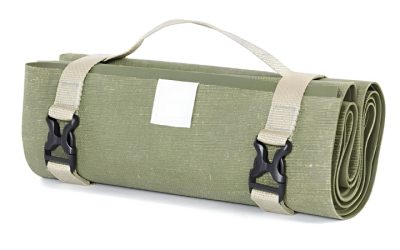
A textured, non-absorbent surface wipes down in seconds and dries almost immediately, which makes it the most forgiving mat here for someone who practises in the morning and leaves the house. The included strap also encourages hanging it rather than rolling it damp.
Its traction relies on texture, and texture stops working once sweat pools on top of it. In a properly heated class you will want a towel over it before the second half.
Best Hygiene System: Breling Suede Yoga Towels
The single most effective hygiene decision in this category is putting a machine-washable layer between you and the mat. Suede microfibre absorbs heavily, grips harder as it dampens, and goes straight into the wash afterwards. Three in a pack means you never have an excuse to reuse one.
They do slide on a dry mat at the start of a session until they pick up moisture. Misting lightly with water before you begin is the standard fix and takes five seconds.
Best Odour Resistance: Gruper Eco Yoga Mat
The eco-material construction is less prone to holding smells than natural rubber, which is a real advantage if the mat lives rolled up in a cupboard between sessions. Everyday cleaning is straightforward and it dries quickly.
Grip under heavy sweat is only moderate. This is a good mat for warm home practice and a mediocre one for a studio-temperature class, so match it to where you actually train.
Best Low-Maintenance Cushion: Heathyoga TPE Yoga Mat
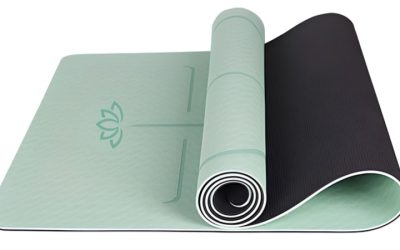
Closed-cell TPE does not absorb anything, which makes it the easiest surface here to sanitise properly — a wipe with mild soap solution genuinely cleans it rather than pushing contamination deeper into the material. The thickness is kind to knees and the alignment markings help home practice.
Not absorbing anything is also the drawback. Sweat sits on the surface and the mat becomes slippery quickly in a hot room, so a towel is effectively mandatory for heated sessions.
Longest Lasting: IUGA Anti-Tear Yoga Mat
Tear resistance matters more than people expect, because the usual failure mode is a toe punching through the surface during a lunge, not the mat wearing flat. At 72 inches it also suits taller practitioners who otherwise end up with hands on the floor.
Its grip comes from surface texture rather than absorption, so it needs a towel once you are genuinely sweating. As a durable base layer under a washable towel, though, it is the option most likely to still be in service in several years.
Frequently Asked Questions
How do I stop my yoga mat from smelling?
Wipe it after every session with diluted mild soap or a mat spray, then dry it fully hanging up rather than rolled. Odour comes from moisture trapped in a rolled mat, and preventing that is far easier than removing the smell later.
Can I put a yoga mat in the washing machine?
Almost never. Machine washing delaminates most mat constructions and voids warranties. Yoga towels, by contrast, are designed for it, which is the main practical argument for using one.
What cleaner is safe for yoga mats?
Diluted mild soap and water, or a purpose-made mat spray. Avoid alcohol-based cleaners and strong detergents, which degrade rubber and polyurethane surfaces and cause the peeling that gets mistaken for poor manufacturing.
How long should a yoga mat last?
With regular practice and proper care, two to four years is realistic. Mats that are rolled up damp or cleaned with harsh chemicals often fail within a year, usually by delaminating or developing persistent odour.
Final Thoughts
If you will genuinely wipe it down after every session, the Gaiam Dry-Grip Yoga Mat gives the best traction in a heated room by a clear margin. For anyone who wants grip without a cleaning ritual, pairing the Heathyoga TPE Yoga Mat with the Breling Suede Yoga Towels puts the washable layer where the sweat lands. And if longevity is the priority, the IUGA Anti-Tear Yoga Mat is the base most likely to outlast everything else here.
Write Your Review
No reviews yet. Be the first to share your experience!