
Key takeaways
- Add six inches to your height: That is roughly the mat length you want so that head and heels both stay on the surface in supine poses.
- Check width for shoulders: Twenty-four inches is standard and tight for broad frames. Wide-arm poses put hands on the floor if the mat is narrow.
- Weight support, not just size: Larger practitioners compress foam more, so density matters more than for lighter users at the same thickness.
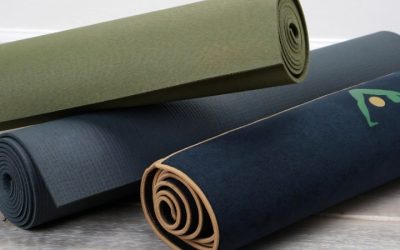
- Watch the roll: Longer, thicker mats produce substantially bigger rolls. Confirm you have somewhere to put it before buying for size.
- Verify listed dimensions: Mat measurements are sometimes quoted before the edges taper. If the exact figure matters to you, look for a stated number rather than a description.
What's inside
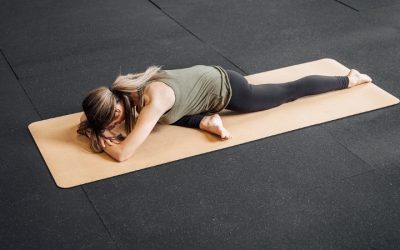
Standard yoga mats are built around a person of roughly average height, which means anyone over about five foot ten spends their practice managing the mat instead of using it. In downward dog your heels hang off the back. Lying supine, either your head or your calves are on the floor. In a long lunge, your back foot lands on carpet or tile while your front foot is on grip. None of that is dangerous, but it is a constant low-level annoyance that makes practice worse.
The common figure to look for is 72 inches by 24, which is the point at which most six-foot practitioners stop falling off. Width matters too, and it is the specification most people never check — 24 inches is standard, and it is tight for broad shoulders in any pose that involves the arms going wide. Below, each option is assessed on usable dimensions first, with cushioning and grip treated as secondary questions once the mat is actually long enough.
As an Amazon Associate we earn from qualifying purchases at no extra cost to you. Product prices and availability are accurate as of the date shown and are subject to change.


Quick Comparison
| Product | Best For | Standout Feature | Watch Out For |
|---|---|---|---|
| KEEP Extra Thick NBR Mat, 10mm | Taller practitioners on hard floors | Stated 72 by 24 inch surface with deep padding | Softness undermines standing poses |
| Fitvids 1/2-Inch Extra Thick Mat | Full-length floor work | Dense surface that stays supportive end to end | Bulky to roll and store at this size |
| CAP Barbell 1/2-Inch High Density Mat | Larger frames needing stability | Dense foam that does not sink under weight | Check dimensions against your height |
| Gaiam Thick NBR Yoga Mat | Average to slightly above height | Cushioning with a manageable roll | Standard length runs short for tall users |
| Amazon Basics Extra Thick Exercise Mat | Budget-conscious floor sessions | Thickness and a strap for the price | Length may leave heels off the mat |
| CAP Non-Slip Yoga Mat | Standing flow for smaller frames | Thin, grippy and easy to handle | Least accommodating for tall practitioners |
How to Choose
- Add six inches to your height: That is roughly the mat length you want so that head and heels both stay on the surface in supine poses.
- Check width for shoulders: Twenty-four inches is standard and tight for broad frames. Wide-arm poses put hands on the floor if the mat is narrow.
- Weight support, not just size: Larger practitioners compress foam more, so density matters more than for lighter users at the same thickness.
- Watch the roll: Longer, thicker mats produce substantially bigger rolls. Confirm you have somewhere to put it before buying for size.
- Verify listed dimensions: Mat measurements are sometimes quoted before the edges taper. If the exact figure matters to you, look for a stated number rather than a description.
Top Picks Reviewed
Best for Tall Practitioners: KEEP Extra Thick NBR Mat
A stated 72 by 24 inch surface at 10mm thick is the combination taller users usually want: enough length that a supine position keeps both head and calves supported, and enough padding that a longer body’s pressure points are properly cushioned on a hard floor.
All that soft foam is a problem in standing poses, where balance becomes noticeably harder — and taller people have longer levers to control, which makes an unstable surface worse rather than better. Use it for floor-based work and find something firmer for standing sequences.
Best Full-Length Support: Fitvids 1/2-Inch Extra Thick Mat
Dense half-inch foam supports a larger body across the whole mat rather than compressing under the heaviest points. For a taller or heavier practitioner, that consistency from end to end is what stops the mat feeling like it has soft and hard regions.
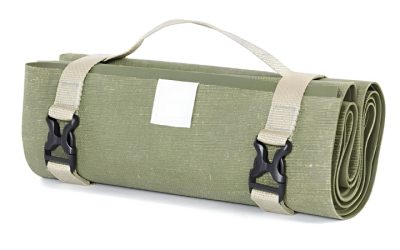
Size and density together produce a substantial roll. This is not a mat you tuck behind a door, and if you carry it anywhere the bulk is immediately noticeable even with a strap.
Best Stability for Larger Frames: CAP Barbell 1/2-Inch High Density Mat
Heavier practitioners compress foam more than lighter ones, which means a mat that feels stable to one person can feel soft to another. High density is the specification that addresses this directly, holding its shape under greater load.
Length is the thing to verify against your own height before buying. Density solves the support question but does nothing about heels hanging off the end, so check the stated dimensions.
Best Manageable Option: Gaiam Thick NBR Yoga Mat
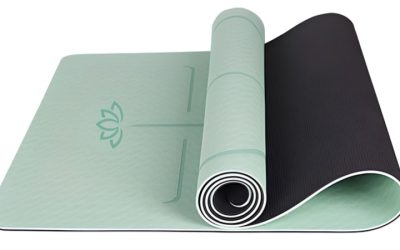
For practitioners of average to slightly above average height, this hits a practical middle: enough cushioning for floor work, a roll that is easy to store and carry, and a cinch strap that keeps it tidy.
Standard-length mats run short once you pass roughly six feet. If your heels currently hang off the back of your mat, this will not solve that, and length should outrank every other consideration in your decision.
Frequently Asked Questions
How long should a mat be for someone six feet tall?
Around 72 inches is the practical minimum, and taller practitioners often prefer longer still. The test is whether you can lie flat with head and heels both on the surface.
Is a wider mat worth it?
If your hands land off the edge in wide-arm poses, yes. Broader shoulders and a wider stance both benefit from extra width, though wider mats are correspondingly harder to store.
Do taller people need thicker mats?
Not inherently, but longer limbs concentrate pressure at the joints, and heavier body weight compresses foam more. Density tends to matter more than raw thickness.
What if I only slightly overhang my current mat?
Turning the mat so the overhang falls where it matters least — usually behind the heels rather than under the head — is a reasonable stopgap, but a properly sized mat removes the issue entirely.
Final Thoughts
Length is the specification to settle first; everything else is negotiable once you fit on the mat. The KEEP 10mm at 72 by 24 inches is the clearest answer for taller practitioners doing floor work, the dense Fitvids and CAP Barbell mats support larger frames without sinking, and a standard Gaiam NBR mat remains a solid pick for average heights. Measure yourself against the stated dimensions before anything else — no amount of cushioning fixes a mat that is too short.
Write Your Review
No reviews yet. Be the first to share your experience!