
Key takeaways
- Start heavier than you expect: A slightly weighted cable tells your hands where the rope is at every point in the arc. That feedback teaches timing far faster than a light cable, which simply disappears and reappears at your feet.
- Set length to armpit height: Stand on the middle of the cable and pull the handles up. Tops at armpit level is the standard starting point; as your form improves, shorten it toward chest height for a faster turn.
- Progress by sets, not minutes: Twenty jumps, rest, repeat ten times beats trying to survive three unbroken minutes. Short sets keep form clean and spare the calves the volume spike that causes shin pain.
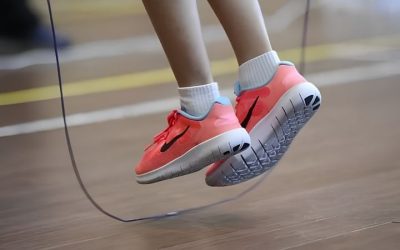
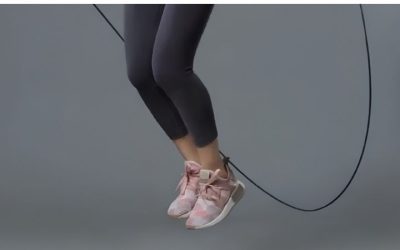
- Land quietly and low: If you can hear a thud, you are jumping too high. Aim to clear the cable by about an inch, staying on the forefoot with a soft knee. Quiet is the single best form cue there is.
- Give your calves a two-week ramp: Skipping loads the Achilles and calf far more than walking or cycling. Alternate days for the first fortnight, and stop the session while it still feels easy.
What's inside
Almost everyone who returns to skipping as an adult makes the same two mistakes in the first week. They set the rope too long, because a long rope is easier to clear, and they do too much too soon, because thirty seconds feels trivial until the calves say otherwise. The result is a familiar pattern: an enthusiastic Monday, sore shins on Tuesday, and a rope that lives in a drawer by Friday. The skill itself is not hard. The on-ramp is what people get wrong.
Approached properly, skipping is one of the shortest routes to real conditioning in a small space. It just needs a rope that matches your current coordination rather than your ambitions, and a progression measured in weeks. A heavy cable that forces slow, deliberate turns is genuinely easier to learn on than a whippy speed rope. The six options here span both ends of that spectrum, and the right first rope is often not the one an experienced jumper would pick.
As an Amazon Associate we earn from qualifying purchases at no extra cost to you. Product prices and availability are accurate as of the date shown and are subject to change.

#1 Pick

#2 Pick


#4 Pick

#5 Pick

#6 Pick


Quick Comparison
| Product | Best For | Standout Feature | Watch Out For |
|---|---|---|---|
| Tangle-Free Speed Rope | Once basic rhythm is established | Frictionless turn rewards good timing | Punishes beginners with fast miss cycles |
| BOOMIBOO Adjustable Rope | Week one through month three | Adjusts as your technique tightens up | Easy to leave set far too long |
| 40-Piece Bulk PVC Set | Teaching kids or a group at once | Slower cable is easier to time | Fixed length suits taller users only |
| SPORTBIT Adjustable Rope | A no-pressure first rope | Forgiving handle size and modest speed | Limited ceiling once you get quick |
| High Speed Weighted Rope | Learning the feel of the arc | Cable weight gives clear positional feedback | Fatigues untrained forearms quickly |
| Redify Weighted Rope (1 lb) | Intermediate conditioning blocks | Builds shoulder endurance rapidly | Too heavy as a genuine first rope |
How to Choose
- Start heavier than you expect: A slightly weighted cable tells your hands where the rope is at every point in the arc. That feedback teaches timing far faster than a light cable, which simply disappears and reappears at your feet.
- Set length to armpit height: Stand on the middle of the cable and pull the handles up. Tops at armpit level is the standard starting point; as your form improves, shorten it toward chest height for a faster turn.
- Progress by sets, not minutes: Twenty jumps, rest, repeat ten times beats trying to survive three unbroken minutes. Short sets keep form clean and spare the calves the volume spike that causes shin pain.
- Land quietly and low: If you can hear a thud, you are jumping too high. Aim to clear the cable by about an inch, staying on the forefoot with a soft knee. Quiet is the single best form cue there is.
- Give your calves a two-week ramp: Skipping loads the Achilles and calf far more than walking or cycling. Alternate days for the first fortnight, and stop the session while it still feels easy.
Top Picks Reviewed
Best First Rope: SPORTBIT Adjustable Rope
Comfortable handles, an unintimidating cable, and a price that makes the experiment painless. It turns at a moderate speed that gives a beginner time to react, which is exactly what the first few weeks require.
You will outgrow it. Once you can string together a hundred clean reps and want to try double-unders, the plastic swivel becomes the limiting factor rather than your legs.
Best Learning Feedback: High Speed Weighted Rope
The extra cable mass makes the arc obvious in your hands, so you learn where the rope is without looking down. That is the single hardest thing to teach a new jumper, and weight does it automatically.
Untrained forearms tire quickly. Expect to work in 20 to 30 second bursts at first rather than continuous minutes, and stop before the grip fails and the rhythm falls apart.
Best Progression Range: BOOMIBOO Adjustable Rope
Because it adjusts easily and repeatedly, one rope covers the whole journey from tentative single bounces to fast, tight rotations. Shortening the cable two inches at a time is a satisfying way to mark progress.
The obvious trap is comfort. Beginners tend to leave the rope long forever because it feels safer, which locks in a sloppy wide arc. Commit to shortening it every few weeks.
Best for Teaching Others: 40-Piece Bulk PVC Set
A slower, thicker cable is genuinely easier for children and complete beginners to time, and having forty of them means an entire class or family can learn at once without sharing.
At a fixed 9.2 feet they are long for shorter jumpers. Teach a knot-and-tuck method at the handle to shorten them, or accept that younger kids will be working with excess cable.
Best Step-Up Rope: Tangle-Free Speed Rope
Once the rhythm is automatic, bearings and a thin cable transform the experience. Cadence climbs, the workout intensifies, and double-unders become realistic rather than theoretical.
Bought too early, it teaches frustration. A fast rope means a fast miss, and repeated stinging misses across the shins is the most common reason people quit in week one.
Best Conditioning Upgrade: Redify Weighted Rope
A full pound of load turns a three-minute round into serious shoulder and forearm work. It is an excellent intermediate tool for building the endurance that boxing-style training demands.
It is not a beginner rope. Learning coordination and carrying a heavy cable at the same time overloads both, and the technique that results tends to be wide-armed and inefficient.
Frequently Asked Questions
How long until I can skip continuously for three minutes?
Most people who train three times a week get there in four to six weeks. Progress is limited by calf conditioning and grip endurance more than by cardiovascular fitness.
Why do my shins hurt after skipping?
Almost always volume rather than technique. Cut total jumps by half, add rest days, and land softer on the forefoot. If pain persists at rest, stop and get it assessed.
Should I jump with both feet or alternate?
Start with a two-foot bounce for consistency. Once that is stable, alternating feet reduces per-leg impact and makes longer sessions more comfortable.
Do I need special shoes?
Any flat-soled cross-training shoe with forefoot cushioning works. Avoid thick running heels, which encourage landing back on the heel and make the rhythm harder to hold.
Final Thoughts
Buy for the version of you that exists this week. A moderate, comfortable rope set to armpit height and used in short sets will build the coordination that makes everything else possible. Add a fast bearing-mounted cable when the rhythm is automatic, and a weighted rope when you want the session to hurt in the right way. The order matters more than the rope.

Write Your Review
No reviews yet. Be the first to share your experience!