Key takeaways
- Frame strength: Look for reinforced ribs, a sturdy pole, corrosion-resistant finishes, and joints that do not feel loose when the canopy is opened.
- Wind management: Vents allow pressure to escape through the canopy, but no umbrella is storm-proof. Close and secure it whenever strong wind or severe weather is expected.
- Base and anchoring: A heavy, properly sized base is essential. Cantilever and extra-large umbrellas usually need more substantial anchoring than a table umbrella.
- Canopy fabric: Solution-dyed or fade-resistant materials are better suited to full-season exposure. Also check for UV protection, water resistance, and reinforced stress points.
- Opening and adjustment: Crank systems are convenient for large canopies, while push-button tilt or auto-tilt features help maintain shade as the sun moves.
What's inside
A patio umbrella can look substantial on a calm afternoon yet twist, flap, or tip when a gust rolls across the yard. The weak points are rarely limited to the fabric: undersized bases, flexible ribs, loose joints, and poorly ventilated canopies can all shorten an umbrella’s useful life.
This guide focuses on the details that matter outdoors, including canopy construction, frame design, ventilation, tilt mechanisms, footprint, and anchoring. The selections cover practical table umbrellas, premium market models, cantilever designs, and oversized options for larger entertaining areas.
As an Amazon Associate we earn from qualifying purchases at no extra cost to you. Product prices and availability are accurate as of the date shown and are subject to change.



🛒 Best Price Today on Amazon
Prime members get fast, free shipping on everything above, plus member-only deals. New members get a 30-day free trial — cancel anytime.
How to Choose a Heavy-Duty Wind Resistant Patio Umbrella (2026)
- Frame strength: Look for reinforced ribs, a sturdy pole, corrosion-resistant finishes, and joints that do not feel loose when the canopy is opened.
- Wind management: Vents allow pressure to escape through the canopy, but no umbrella is storm-proof. Close and secure it whenever strong wind or severe weather is expected.
- Base and anchoring: A heavy, properly sized base is essential. Cantilever and extra-large umbrellas usually need more substantial anchoring than a table umbrella.
- Canopy fabric: Solution-dyed or fade-resistant materials are better suited to full-season exposure. Also check for UV protection, water resistance, and reinforced stress points.
- Opening and adjustment: Crank systems are convenient for large canopies, while push-button tilt or auto-tilt features help maintain shade as the sun moves.
The Best Heavy-Duty Wind Resistant Patio Umbrella (2026)s Reviewed
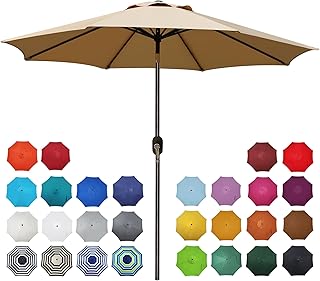
Tempera Patio Market Outdoor Table Umbrella
The Tempera is a sensible choice for a dining table or compact seating area, combining a crank opener with push-button tilt for straightforward daily use. Its sturdy pole and fade-resistant canopy make it a practical all-rounder, though buyers should pair it with a suitably heavy base rather than relying on the table alone.
PURPLE LEAF 10′ x 10′ Double-Top Cantilever
This square cantilever umbrella is built for broad, flexible coverage without placing a center pole through the table. The double-top canopy and wind-resistant frame are attractive features for exposed patios, while the 240GSM fabric and 35MPH wind rating provide useful guidance—but the included setup and anchoring instructions still deserve close attention.
EliteShade USA 9ft 3-Tier Market Umbrella
EliteShade’s three-tier canopy is designed to improve airflow, a valuable trait when a patio catches crosswinds. Its commercial-grade positioning, crank opening, UPF 50+ protection, and claimed 10-year non-fading fabric make it appealing for buyers prioritizing long-term sun exposure and frequent use.
Midtown Umbrellas The Lean 9 Ft Patio Umbrella
The Lean stands out with an auto-tilt mechanism, eight reinforced ribs, and 10-year-no-fade Acrylast acrylic fabric. It is a polished option for decks, pool areas, and hospitality-style spaces, especially when color retention and easy shade adjustment matter as much as basic coverage.
9′ Outdoor Patio Market Umbrella with Crank
This conventional 9-foot model keeps the feature set focused: eight sturdy ribs, push-button tilt, and crank operation. It suits shoppers who want dependable shade over a standard patio table without moving into the price or footprint of a cantilever design; a quality base remains critical for breezy locations.
Frequently Asked Questions
What makes a patio umbrella wind resistant?
Wind resistance usually comes from a combination of flexible but reinforced ribs, a strong pole, secure fittings, and a vented canopy that lets air escape. These features reduce strain, but they cannot make an open umbrella safe in severe weather.
Should I leave a heavy-duty patio umbrella open in the wind?
No. Even a well-built umbrella should be closed when gusts become strong, conditions change, or the patio is unattended. Secure the canopy with its tie or strap, and follow the manufacturer’s guidance for the specific frame and base.
How heavy should a patio umbrella base be?
The correct weight depends on canopy size, pole style, and exposure. A small table umbrella may need a modest base, while a freestanding, cantilever, or oversized umbrella generally requires a much heavier base or permanent anchoring system.
Are cantilever umbrellas better than table umbrellas?
They are better when you want unobstructed space beneath the canopy or need shade beside, rather than through, a table. Table umbrellas are typically simpler, easier to move, and less demanding to anchor, making them the better fit for many everyday patios.
Final Thoughts
For broad, adjustable coverage, the PURPLE LEAF double-top cantilever is a strong standout when properly anchored. The EliteShade USA is a smart pick for airflow and frequent use, while the Midtown Lean offers an appealing blend of premium fabric, reinforced construction, and effortless tilt adjustment.