Key takeaways
- Climate: Match the vine to your USDA growing zone or local winter conditions. Tender tropical vines may need seasonal protection or indoor overwintering.
- Growth habit: Decide whether you want dense foliage, flowers, fragrance, or a combination. Fast coverage is useful for privacy but usually means more pruning.
- Structure strength: Mature vines can become surprisingly heavy. Check that the pergola, overhead lattice, and anchoring system can support the plant at full size.
- Light: Most flowering vines perform best with several hours of direct sun, while foliage vines may tolerate partial shade. Observe the pergola before buying.
- Maintenance: Consider watering, training, deadheading, winter cleanup, and local restrictions. A manageable vine is better than an aggressive one that quickly overwhelms the space.
What's inside
A pergola can transform a patio into a cooler, more private outdoor room, but choosing the right vine is rarely as simple as picking the prettiest flowers. Growth speed, mature weight, climate, pruning demands, and whether the plant arrives as seed or a live starter all affect how quickly—and safely—it covers a structure.
This guide compares pergola-friendly options for different outdoor settings, from fragrant flowering climbers and warm-climate showstoppers to foliage-first privacy plants. The focus is practical: support needs, seasonal performance, container suitability, and the level of patience each choice requires.
As an Amazon Associate we earn from qualifying purchases at no extra cost to you. Product prices and availability are accurate as of the date shown and are subject to change.




🛒 Best Price Today on Amazon
Prime members get fast, free shipping on everything above, plus member-only deals. New members get a 30-day free trial — cancel anytime.
How to Choose a Climbing Vines For Pergola (2026)
- Climate: Match the vine to your USDA growing zone or local winter conditions. Tender tropical vines may need seasonal protection or indoor overwintering.
- Growth habit: Decide whether you want dense foliage, flowers, fragrance, or a combination. Fast coverage is useful for privacy but usually means more pruning.
- Structure strength: Mature vines can become surprisingly heavy. Check that the pergola, overhead lattice, and anchoring system can support the plant at full size.
- Light: Most flowering vines perform best with several hours of direct sun, while foliage vines may tolerate partial shade. Observe the pergola before buying.
- Maintenance: Consider watering, training, deadheading, winter cleanup, and local restrictions. A manageable vine is better than an aggressive one that quickly overwhelms the space.
The Best Climbing Vines For Pergola (2026)s Reviewed
Boston Ivy Vine Seeds
Boston Ivy is a strong choice when your priority is leafy coverage and seasonal privacy rather than continuous flowers. These seeds are suited to gardeners who enjoy starting plants from scratch, although coverage will take patience and young growth needs guidance toward the pergola’s framework.
Thunbergia Grandiflora Plants
Also known as sky vine or Bengal clock vine, Thunbergia grandiflora brings large blue trumpet-shaped flowers and vigorous growth to warm outdoor spaces. The pack of two live plants offers a quicker start than seed, but this tender climber is best for frost-free climates or gardeners prepared to protect it during cold weather.
Mixed Mandevilla Live Plants
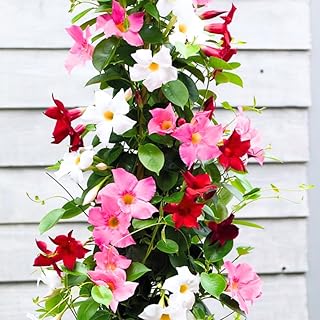
Mandevilla is especially useful for sunny decks and pergolas where containers are part of the design. This three-plant mixed selection provides long-blooming color and can be trained up a trellis, though it prefers warmth, regular moisture, and a winter plan in climates below its hardiness range.
Wisteria Live Plants
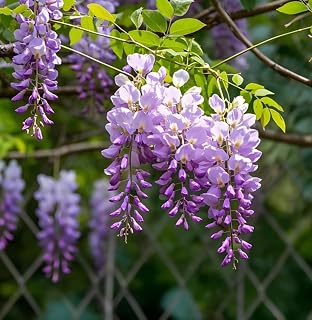
Wisteria can create one of the most dramatic pergola displays, with cascading flowers and a substantial woody framework over time. These live plants provide a head start, but wisteria demands a very sturdy support, consistent training, and firm pruning; check local guidance because some wisteria types can behave aggressively outside their native range.
Climbing Jasmine Seeds
Climbing jasmine is appealing for a seating area because its white flowers can add fragrance as well as visual softness. This seed pack is a budget-friendly way to begin, but the exact jasmine species and local climate matter, so verify mature size, winter tolerance, and whether it is evergreen in your region before planting near a permanent structure.
Frequently Asked Questions
What is the fastest vine for covering a pergola?
Fast growth depends heavily on warmth, water, sun, and planting size. Thunbergia and wisteria can establish quickly in suitable conditions, but the fastest option is not always the best: vigorous vines need frequent training and a strong pergola.
Which pergola vine is best for fragrance?
Climbing jasmine is the most fragrance-focused option in this selection. Plant it where prevailing breezes can carry the scent toward seating areas, and confirm that the variety is suitable for your climate before committing to a permanent planting position.
Can vines grow in containers on a pergola?
Yes. Mandevilla is particularly well suited to large containers and hanging-planter arrangements. Use a heavy, well-draining pot, provide a dependable trellis, and expect container plants to need more frequent watering than vines planted in the ground.
How should I protect a pergola from climbing vines?
Install a separate trellis or spaced wire system whenever possible instead of allowing stems to grip fragile surfaces. Keep vines away from gutters, roof edges, fasteners, and electrical fixtures, and prune regularly so weight and moisture do not accumulate against the structure.
Final Thoughts
For warm, flower-filled pergolas, Thunbergia grandiflora is a compelling live-plant option, while Mandevilla suits sunny container gardens. Choose Boston Ivy for foliage-led coverage or Wisteria for a long-term architectural display—but only after confirming your climate, support strength, and willingness to prune.