Key takeaways
- Sunscreen and insect repellent: blot immediately, then clean the panel. DEET actively softens topcoats, so speed matters more than technique.
- Denim and fabric dye transfer: clean early while the pigment is still surface-level. Set-in transfer usually needs color correction.
- Grease and body oils: absorb with cornstarch for several hours before you introduce any cleaner.
- Scuffs, worn armrests, and stubborn discoloration: once cleaning stops working, a white leather recoloring balm with mink oil rebuilds the color layer and hides scratches on furniture, vinyl, and PU.
What's inside
White leather is the most rewarding and least forgiving upholstery in the house. I spend most of my working life on sunrooms, screened porches, and covered patios, and I can tell you exactly what turns a bright ivory sofa dingy: airborne dust that turns to grey paste with humidity, sunscreen and insect repellent transferring off skin, pollen settling into seams, and UV slowly baking the topcoat until it yellows. None of that means white leather is a mistake. It means the maintenance rhythm has to be deliberate rather than reactive.
This guide covers how to identify the type of white leather you own, the weekly routine that prevents 90% of discoloration, how to deep clean without stripping the finish, how to condition and shield against sun and moisture, and how to triage the four stains that ruin light-colored couches most often. Everything here is safe for pigmented furniture leather and works whether the sofa lives in a formal living room or an all-season porch.
Our recommended picks for white leather care:
As an Amazon Associate we earn from qualifying purchases.




1. Identify Your Leather Before Anything Touches It
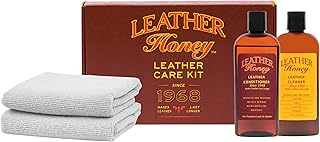
Nearly all white sofas are made from pigmented (finished) leather, which carries a clear polymer topcoat over the color layer. That topcoat is what you are actually cleaning and protecting, and it tolerates water-based cleaners well. Aniline and semi-aniline leathers are dyed through with no meaningful topcoat, absorb liquid instantly, and darken permanently from water spotting. Faux leather and PU behave like vinyl. To test, put a single drop of distilled water on a hidden spot on the back panel: if it beads and wipes away clean, you have finished leather and normal cleaning is fine. If it soaks in and leaves a shadow, treat the piece as unfinished and work with barely damp cloths only. Products like Leather Honey Leather Cleaner are formulated for any color including white and are safe across finished leather, faux leather, and vinyl, which makes them a sensible default when you are unsure.
2. The Weekly Reset: Dry First, Then Damp
The single biggest cause of dull white leather is grit being ground into the grain by ordinary use. Vacuum the seat deck, seams, and piping with a soft brush attachment, then wipe the panels with a dry microfiber cloth before any moisture is introduced. Only then go over the surface with a second cloth dampened in distilled water and wrung nearly dry. Tap water leaves mineral haze on white finishes, which is why distilled is worth the negligible cost. Finish by drying the panels immediately. This ten-minute routine does more for long-term brightness than any single deep clean.
3. Deep Clean in Sections, Never in One Pass
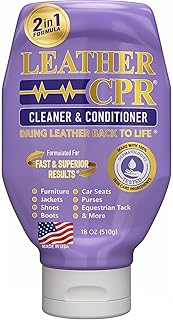
Every four to eight weeks the sofa needs an actual cleaner rather than water. Choose a pH-balanced leather product and always spot test on the back or underside first. Apply to a cloth, not directly to the leather, and work one panel at a time so the cleaner never dries on the surface. Leather Honey Leather Cleaner dilutes and deep cleans without leaving a slick film, Weiman Leather Cleaner & Conditioner handles cleaning and conditioning in a single step for people who want fewer bottles, and Leather CPR Cleaner and Conditioner is a good pick for older sofas where the goal is restoring softness alongside color. Avoid saddle soap, magic erasers, baby wipes, alcohol, acetone, and anything labeled all-purpose. All of them abrade or dissolve the topcoat, and on white leather that damage shows as a permanent grey shadow.
4. Condition and Protect Against Sun, Heat, and Humidity
Conditioning replaces the oils that keep the hide flexible, which is what prevents the fine cracking that catches dirt and makes white look grubby. Apply a thin coat after every deep clean, let it absorb for a few hours, then buff off the excess. If your sofa sits in a sunroom or near west-facing glass, prioritize a product with UV protection; the Weiman formula is built specifically to slow cracking and fading. For humid or coastal spaces, keep airflow moving and never leave the leather damp after cleaning, since trapped moisture in seams and welting is where mildew starts. The Leather Honey Complete Leather Care Kit bundles cleaner, conditioner, and application cloths, which is the simplest way to keep the full routine in one place.
5. Triage the Four Stains That Ruin White Sofas
- Sunscreen and insect repellent: blot immediately, then clean the panel. DEET actively softens topcoats, so speed matters more than technique.
- Denim and fabric dye transfer: clean early while the pigment is still surface-level. Set-in transfer usually needs color correction.
- Grease and body oils: absorb with cornstarch for several hours before you introduce any cleaner.
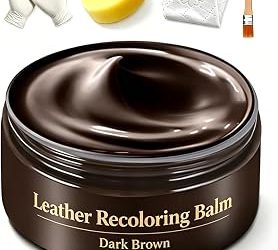
- Scuffs, worn armrests, and stubborn discoloration: once cleaning stops working, a white leather recoloring balm with mink oil rebuilds the color layer and hides scratches on furniture, vinyl, and PU.
Tips
- Keep a dedicated set of white-only microfiber cloths so you never transfer dye from darker jobs.
- Rotate and flip loose cushions monthly to even out UV exposure and wear.
- Position the sofa at least a few feet from direct glass, or use a sheer to diffuse afternoon sun.
- Clean the whole panel rather than a single spot, so you avoid leaving a suspiciously bright patch.
Frequently Asked Questions
Can I use dish soap and water on white leather?
It works in an emergency but not as a routine. Dish soap is a degreaser and strips the conditioning oils along with the dirt, leaving the topcoat dry and more prone to cracking. If you use it, dilute heavily and follow with a conditioner.
How often should a white leather sofa be cleaned?
Dry dust and damp wipe weekly, deep clean every four to eight weeks, and condition after each deep clean. Daily-use family sofas and anything on a porch benefit from the shorter interval.
Will yellowing come out?
Surface yellowing from oils and residue usually cleans up. Yellowing caused by UV degradation of the topcoat is structural and will not wash away, which is where a recoloring balm becomes the practical fix.
Is faux leather treated the same way?
Mostly. Faux leather cleans similarly but does not absorb conditioner, so skip heavy oiling and focus on gentle cleaning plus UV protection.
Conclusion
White leather stays white through consistency rather than intervention: dry dust before damp wiping, clean in sections with a leather-specific product, condition to keep the hide flexible, and shield the piece from direct sun and trapped moisture. Build that rhythm and a white sofa will read as crisp and intentional for a decade or more, whether it anchors your living room or your favorite porch.