Key takeaways
- Match the leather type: Nearly all sofas sold today use finished or pigmented leather, which is what these products are built for. Aniline, suede, and nubuck are absorbent and need specialty care, so check the manufacturer tag before anything wet touches the cushion.
- Clean and condition as two steps: All-in-one sprays are convenient for maintenance wipe-downs, but soil sitting on the surface gets sealed in rather than lifted. For an annual reset, a dedicated cleaner followed by a separate conditioner does noticeably better work.
- Look for UV protection: Sunlight is the single biggest cause of fading and brittleness on leather near windows or in sunrooms. A formula with UV blockers buys you years on the pieces that get direct light.
- Check for silicone and petroleum distillates: These leave a slick shine that looks good for a week, then attracts dust and can dry the hide underneath. Water-based or non-toxic formulas absorb instead of coating.
- Think about coverage and cost per use: A full sectional can drink through a 12-ounce bottle in one session. Multi-packs and kits with cloths included usually cost less per square foot and save a trip back to the store mid-project.
What's inside
Leather sofas take a beating that most owners never see coming. Body oils wick into the grain, sunscreen transfers off bare arms in summer, and the afternoon sun coming through a west-facing window slowly bleaches the top coat until the seat cushions read two shades lighter than the back. Add in dust that acts like fine sandpaper every time someone sits down, and a five-year-old couch can look a decade older. Most people reach for a household spray or a damp cloth, which strips the finish’s natural flexibility and speeds up the cracking they were trying to prevent.
Working with covered porches, sunrooms, and three-season spaces, I see leather fail in fast-forward: more UV, wider humidity swings, more grit tracked in from outside. The products that hold up in those conditions are the ones I trust indoors too. This guide covers what actually matters when choosing a leather cleaner and conditioner, how the leading formulas differ in practice, and which picks make sense for pigmented furniture leather, pale colors, and sofas that already show wear.
As an Amazon Associate we earn from qualifying purchases.




How to Choose a/an Thing To Clean Leather Sofa (2026)
- Match the leather type: Nearly all sofas sold today use finished or pigmented leather, which is what these products are built for. Aniline, suede, and nubuck are absorbent and need specialty care, so check the manufacturer tag before anything wet touches the cushion.
- Clean and condition as two steps: All-in-one sprays are convenient for maintenance wipe-downs, but soil sitting on the surface gets sealed in rather than lifted. For an annual reset, a dedicated cleaner followed by a separate conditioner does noticeably better work.
- Look for UV protection: Sunlight is the single biggest cause of fading and brittleness on leather near windows or in sunrooms. A formula with UV blockers buys you years on the pieces that get direct light.
- Check for silicone and petroleum distillates: These leave a slick shine that looks good for a week, then attracts dust and can dry the hide underneath. Water-based or non-toxic formulas absorb instead of coating.
- Think about coverage and cost per use: A full sectional can drink through a 12-ounce bottle in one session. Multi-packs and kits with cloths included usually cost less per square foot and save a trip back to the store mid-project.
The Best Thing To Clean Leather Sofa (2026)s Reviewed
Weiman Leather Cleaner & Conditioner, 12 oz
This is the easiest entry point for routine upkeep: it lifts light soil and leaves UV protection behind in a single pass, with no residue or heavy fragrance. Best used every few months on a sofa that is already in decent shape rather than as a rescue product.
Weiman Leather Cleaner & Conditioner, 2-Pack 22 oz
Same formula, far better math if you have a sectional, a recliner, and car seats to cover. Two 22-ounce bottles will handle a full house of leather with enough left over for seasonal touch-ups.
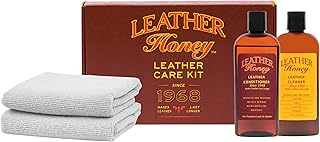
Leather Honey Complete Leather Care Kit
The most thorough option here, pairing a concentrated cleaner with the brand’s long-standing conditioner and application cloths. The conditioner soaks in deep and stays flexible through humidity swings, which is why it holds up well on porch and sunroom furniture.
Leather Cleaner and Conditioner Kit, 4-Piece Set
A tidy grab-and-go set with everything needed for a full sofa refresh, including applicators so you are not improvising with kitchen towels. Good pick for a first deep clean when you have no supplies on hand.
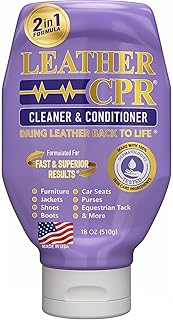
Leather CPR Cleaner and Conditioner, 18 oz
The one I reach for when leather already looks tired, since it does a genuine job of restoring softness and evening out dull, thirsty patches. Works quickly on well-used seat cushions, though sun-damaged pieces will still need a follow-up coat.
Frequently Asked Questions
How often should I clean a leather sofa?
Dust or vacuum weekly with a soft brush attachment, and do a full clean-and-condition every three to six months. Sofas in direct sun or heavy daily use benefit from the shorter interval.
Can I use dish soap or baby wipes instead?
Not on furniture you care about. Dish soap strips protective finishes, and most wipes contain alcohol or surfactants that dry the hide and can lift color over time.
Will conditioner darken light-colored leather?
Some oil-heavy conditioners will. Leather Honey is formulated to be safe on all colors including white, but always test on a hidden panel first, such as the back of the sofa or under a cushion.
Can these products repair cracks?
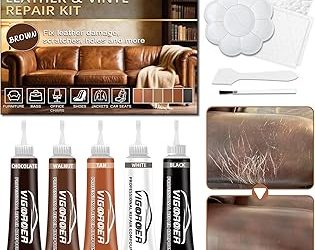
No. Conditioners restore pliability and can make fine surface lines less visible, but true cracks in the finish need a repair compound or a professional. Consistent conditioning is what prevents them in the first place.
Final Thoughts
For most households, the Weiman 2-Pack covers routine maintenance with UV protection at a sensible cost per bottle, while the Leather Honey Complete Care Kit is the better choice for an annual deep clean or any piece exposed to strong light and humidity. If your sofa has already gone dull and stiff, start with Leather CPR to bring it back, then keep it there with regular conditioning.