Key takeaways
- Base and bulb shape: Nearly every chandelier uses an E12 candelabra screw base, but the glass shape changes the look completely. B11 and B10 are slender torpedoes that suit modern and transitional fixtures, CA10 flame-tip shapes lean traditional, and clear glass shows off the filament while frosted hides it. Measure your socket depth if your fixture has small shades, since some vintage-style bulbs sit taller than the originals.
- Color temperature: For chandeliers, stay between 2500K and 2700K. The 2700K range gives you clean soft white that flatters wood tables and painted trim; 2500K pushes warmer and amber, which reads beautifully at dusk under a covered porch. Anything above 3000K makes a decorative fixture feel utilitarian.
- Dimmer compatibility: If your chandelier is on a dimmer, buy bulbs explicitly rated as dimmable and check that your switch is LED-compatible. Older incandescent dimmers paired with cheap LED drivers are the number one cause of buzzing and flicker. When in doubt, run a two-bulb test before installing a full set.
- Brightness per socket, not total: A 40W-equivalent bulb around 380 to 470 lumens is usually plenty in a multi-arm fixture. Six 60W-equivalent bulbs can overwhelm a small dining nook. Count sockets, then work backward from the mood you want.
- Location rating: Outdoor chandeliers in covered, dry-rated spots handle standard bulbs fine, but exposed positions need bulbs and fixtures rated for damp locations. Humidity and temperature swings shorten LED driver life, so favor sturdier builds for patio and porch installs.
What's inside
A chandelier lives or dies by its bulbs. Whether it’s hanging over a dining table indoors or suspended from a pergola beam above an outdoor lounge setting, the fixture itself is only half the story. The wrong bulbs turn a beautiful piece into a glare bomb, a flicker machine, or a strangely green-tinted mood killer. And because chandeliers use six, eight, or twelve sockets at once, small mistakes get multiplied. Buyers who have spent real money on a fixture routinely undo the whole effect with a bargain multipack that hums on the dimmer and reads cold as hospital lighting.
Working on covered patios and three-season rooms teaches you fast which candelabra bulbs hold up and which ones disappoint. This guide covers what actually matters when you’re buying for a chandelier in 2026: base fit, color temperature, dimming behavior, filament styling, and how those choices shift when the fixture sits in a semi-exposed space. Below are the standout E12 candelabra options worth wiring into your fixture, with honest notes on where each one earns its place.
As an Amazon Associate we earn from qualifying purchases.


How to Choose a Bulb For Chandelier (2026)
- Base and bulb shape: Nearly every chandelier uses an E12 candelabra screw base, but the glass shape changes the look completely. B11 and B10 are slender torpedoes that suit modern and transitional fixtures, CA10 flame-tip shapes lean traditional, and clear glass shows off the filament while frosted hides it. Measure your socket depth if your fixture has small shades, since some vintage-style bulbs sit taller than the originals.
- Color temperature: For chandeliers, stay between 2500K and 2700K. The 2700K range gives you clean soft white that flatters wood tables and painted trim; 2500K pushes warmer and amber, which reads beautifully at dusk under a covered porch. Anything above 3000K makes a decorative fixture feel utilitarian.
- Dimmer compatibility: If your chandelier is on a dimmer, buy bulbs explicitly rated as dimmable and check that your switch is LED-compatible. Older incandescent dimmers paired with cheap LED drivers are the number one cause of buzzing and flicker. When in doubt, run a two-bulb test before installing a full set.
- Brightness per socket, not total: A 40W-equivalent bulb around 380 to 470 lumens is usually plenty in a multi-arm fixture. Six 60W-equivalent bulbs can overwhelm a small dining nook. Count sockets, then work backward from the mood you want.
- Location rating: Outdoor chandeliers in covered, dry-rated spots handle standard bulbs fine, but exposed positions need bulbs and fixtures rated for damp locations. Humidity and temperature swings shorten LED driver life, so favor sturdier builds for patio and porch installs.
The Best Bulb For Chandelier (2026)s Reviewed
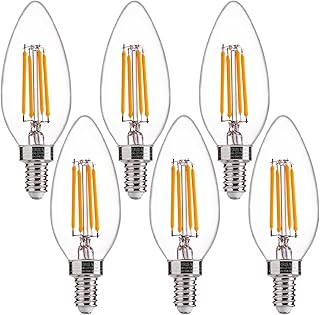
60W Equivalent Clear B11 LED Filament Candelabra Bulbs, 6-Pack
This is the pick when your chandelier is the main light source in a room and you need real output without losing the warm 2700K glow. The clear B11 glass and visible filament look genuinely good in open-arm fixtures where the bulb is part of the design.
E12 Flame Tip Candle Bulbs, 4W, 12-Pack
Flame-tip shaping is the detail that makes traditional and rustic chandeliers look intentional rather than retrofitted. At 460 lumens and 40W equivalent, these sit in the sweet spot for dining rooms and covered patio fixtures where you want atmosphere, not brightness.
COLWATT 12-Pack CA10 Candelabra Bulbs, 2500K
The 2500K color temperature here is the standout feature, landing closer to old-school incandescent amber than most LEDs manage. That warmth is especially effective outdoors after sunset, and the CA10 clear glass suits ceiling fans and pendants as easily as chandeliers.
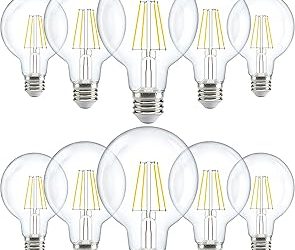
12-Pack Dimmable B11 Vintage Filament Bulbs, 450 Lumens
A solid all-rounder for larger fixtures where buying twelve bulbs at once saves you a second order. The clear glass filament styling handles vintage and industrial fixtures well, and dimming performance is dependable on modern LED-rated switches.
E12 B10 Edison Filament Bulbs, 470 Lumens, 5-Pack
The smaller five-pack makes this a smart choice for compact chandeliers or for replacing a partial set without overbuying. At 470 lumens it’s the brightest of the 40W-equivalent options here, useful when your fixture has fabric shades absorbing light.
Frequently Asked Questions
Can I use these bulbs in an outdoor chandelier?
Yes, in covered and dry-rated locations like porches, pergolas with solid roofs, and screened rooms. For fully exposed positions, you need a damp- or wet-rated fixture, and you should expect shorter bulb life regardless of what you install.
Why do my LED chandelier bulbs flicker on the dimmer?
Almost always a switch mismatch. Legacy incandescent dimmers have a minimum load that a set of 4W LEDs cannot meet. Swapping to an LED-compatible dimmer solves it in most cases.
Should I choose clear or frosted glass?
Clear glass shows the filament and creates sparkle, ideal for open fixtures and crystal chandeliers. Frosted diffuses light more evenly and reduces glare, which helps when bulbs sit at eye level or point downward.
Is 2500K or 2700K better for a chandelier?
2700K is the safer, more versatile pick for indoor dining and entry spaces. Go 2500K when you want deep evening warmth, particularly outdoors, where cooler light tends to feel harsh against dark surroundings.
Final Thoughts
For most chandeliers, the 60W Equivalent Clear B11 Filament 6-Pack delivers the best balance of output, warmth, and visual detail. If your fixture leans traditional or lives on a covered patio, the COLWATT 2500K CA10 bulbs bring the amber depth that makes evening lighting feel considered, while the E12 Flame Tip 12-Pack is the practical choice for filling a large multi-arm fixture in one purchase.