
Key takeaways
- Measure the ceiling before the floor. Anything with a high pulley, a pull-up bar, or an overhead press position is decided by vertical clearance. Subtract the depth of light fixtures, garage door tracks, and pipes, then compare against the assembled height in the listing.
- Budget clearance, not just footprint. A machine 66 inches wide with swinging press arms behaves like a machine 90 inches wide. Chalk the outline on the floor and walk the movements before you order.
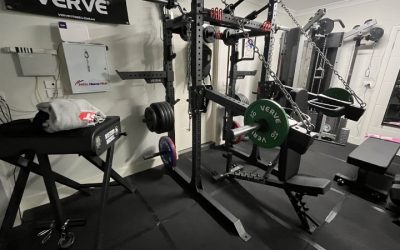
- Match the resistance ceiling to a two-year horizon. A 150-pound stack is generous for pressing, rowing, and curls, but leg-focused lifters outgrow light loads fastest. If squats and deadlifts are the priority, plan on plates and a rack instead of a stack.
- Count the transitions per workout. Every plate change, pin move, or bench reposition costs seconds and willpower. Stack-and-pulley machines win on flow; barbell setups win on ceiling load. Pick the friction you will actually tolerate at 6 a.m.
- Protect the surface underneath. Rubber tiles or a mat cut vibration transfer to downstairs neighbors, keep steel feet from pressing dents into hardwood, and give a machine a level base that stops it from rocking under load.
What's inside
Start with a tape measure, not a shopping cart. The three numbers that decide what fits are floor width, floor depth, and ceiling height — and the third one blindsides more people than the first two. A lat pulldown bar needs roughly 7 feet of vertical room to travel; a standing overhead press with a loaded bar wants closer to 8. If your basement joists sit at 7 feet 2 inches, the machine that looked perfect in the product photos will jam against a duct on the first rep. Add another 24 to 36 inches of clear air behind and beside anything with a moving arm, because a press bar that clears the wall by two inches is a machine you will resent.
The picks below are sorted by footprint tier rather than by price, because footprint is the constraint that never negotiates. One category winner is a full multi-station for people with a dedicated room or half a garage bay; the rest scale down through benches, dial-set dumbbells, folding cardio, door-anchored cable work, and the flooring layer that keeps a lease deposit intact. Together they cover everything from a 7-by-7-foot bedroom corner to a two-car garage, and you can buy them in any order without stranding yourself.
As an Amazon Associate we earn from qualifying purchases at no extra cost to you. Product prices and availability are accurate as of the date shown and are subject to change.

#1 Pick

#2 Pick

#3 Pick

#4 Pick

#5 Pick

#6 Pick

#7 Pick

#8 Pick
Quick Comparison
| Category | Winner | Approximate space in use | Room it suits |
|---|---|---|---|
| All-in-one strength | Marcy 150-lb Multifunctional Home Gym Station MWM-990 | Roughly 5.5 × 3.5 ft plus 2–3 ft of clearance | Spare bedroom, garage bay, finished basement |
| Free weights | Dial-set adjustable dumbbell pair topping out near 50 lb each | About 2 sq ft of floor for both cradles | Any room, including carpeted bedrooms |
| Bench | Folding flat/incline/decline bench with a wheel or handle | 4 × 1.5 ft open, near 1 ft deep folded | Closet-stored setups, shared living rooms |
| Compact cardio | Folding treadmill with an upright-storing deck | About 6 × 2.5 ft open, 3 × 2.5 ft folded | Basement, den, wide hallway landing |
| Apartment cable work | Door-anchor band system with handles and ankle straps | Fits a drawer; needs 6 ft of open floor | Rentals, dorms, hotel rooms |
| Floor and recovery | High-density interlocking tiles plus a firm foam roller | Tiles sit under gear; roller stores vertically | Every room, especially over hardwood |
How to Choose
- Measure the ceiling before the floor. Anything with a high pulley, a pull-up bar, or an overhead press position is decided by vertical clearance. Subtract the depth of light fixtures, garage door tracks, and pipes, then compare against the assembled height in the listing.
- Budget clearance, not just footprint. A machine 66 inches wide with swinging press arms behaves like a machine 90 inches wide. Chalk the outline on the floor and walk the movements before you order.
- Match the resistance ceiling to a two-year horizon. A 150-pound stack is generous for pressing, rowing, and curls, but leg-focused lifters outgrow light loads fastest. If squats and deadlifts are the priority, plan on plates and a rack instead of a stack.
- Count the transitions per workout. Every plate change, pin move, or bench reposition costs seconds and willpower. Stack-and-pulley machines win on flow; barbell setups win on ceiling load. Pick the friction you will actually tolerate at 6 a.m.
- Protect the surface underneath. Rubber tiles or a mat cut vibration transfer to downstairs neighbors, keep steel feet from pressing dents into hardwood, and give a machine a level base that stops it from rocking under load.
Top Picks Reviewed
Marcy 150-lb Multifunctional Home Gym Station MWM-990 — Best All-in-One
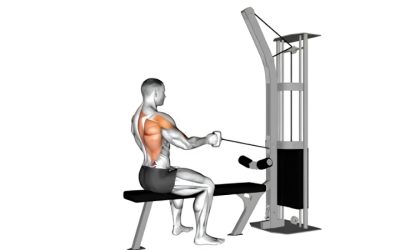
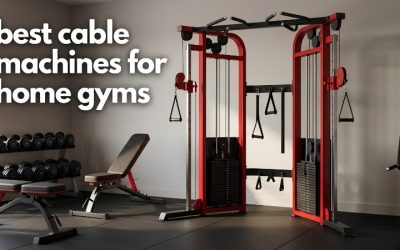
This is the pick for anyone who wants pressing, pulling, and leg work from one frame without owning a single loose plate. The 150-pound vinyl-coated stack runs on a pin, so changing load takes about three seconds, and the vinyl coating means no bare iron clanging against a shared wall. The dual-function press arm covers chest press and a pec movement, the high pulley handles lat pulldowns and triceps work, the low pulley handles rows and curls, and the leg developer plus preacher curl pad round out the lower body and arms. Confirm the assembled dimensions and stack rating on the listing against your own tape measure, then set aside a patient afternoon for assembly — cable routing is the step people rush and regret. The realistic ceiling here is a lifter who wants steady full-body maintenance in a compact frame, not someone chasing a heavy pressing number.
Dial-Set Adjustable Dumbbells — Best Free Weights
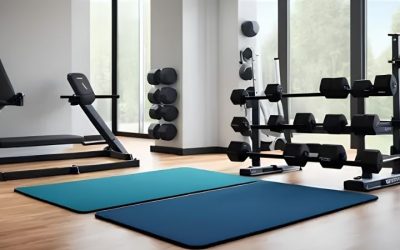
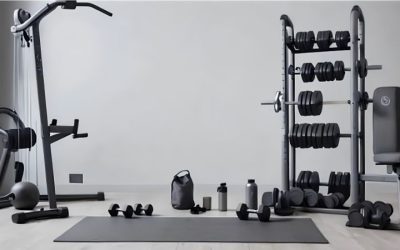
A pair that spans roughly 5 to 50 pounds per hand replaces a rack of fifteen fixed dumbbells inside two square feet. Look for a dial or lever mechanism that seats plates with an audible click, and always return them to the cradle rather than dropping them; the plate carriers are the failure point on every design in this category.
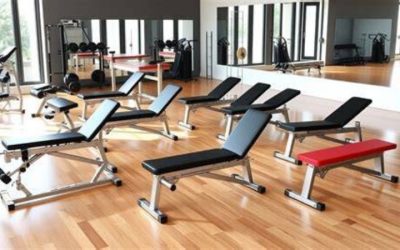
Folding FID Bench — Best Bench
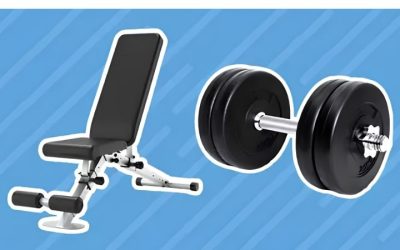
The bench decides how many exercises the dumbbells unlock. Prioritize a locking ladder or pin adjustment over a friction hinge, a pad wide enough to support your shoulders without cramping the blades, and a frame rated well above your body weight plus your heaviest pair. The folded depth is what lets it live behind a door.
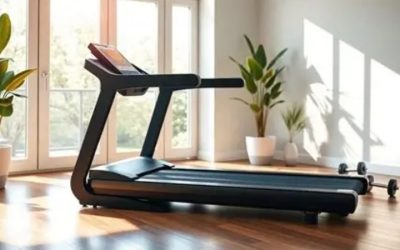
Folding Treadmill — Best Compact Cardio
Walking incline intervals are the highest-value cardio a small room can hold, and a deck that stands upright buys back most of the floor between sessions. Check motor continuous-duty horsepower rather than peak, belt length against your stride, and whether the hydraulic assist lowers the deck slowly instead of dropping it.
Door-Anchor Band System — Best for Apartments
Stacked tubes with a padded door anchor reproduce most cable angles for the price of a takeout order and store in a nightstand drawer. Bands load muscles hardest at full extension, which makes them excellent for rows, face pulls, and rotator cuff work, and merely acceptable for squats.
Interlocking Tiles and Foam Roller — Best Floor and Recovery
Half-inch high-density tiles under a machine or bench stop equipment feet from stamping the subfloor and take the edge off impact noise. Pair them with a firm roller for calves, quads, and lats; five minutes of it does more for adherence than any accessory in this list.
Frequently Asked Questions
How much space does a usable home gym really need?
A 6-by-6-foot square with 7.5 feet of ceiling supports dumbbells, a folding bench, bands, and floor work. A multi-station like the MWM-990 wants a footprint near 5.5 by 3.5 feet plus two to three feet of working clearance, so plan on an 8-by-8-foot zone to move around it comfortably.
Is a 150-pound weight stack enough?
For chest press, rows, pulldowns, curls, and triceps, yes — most people take years to run out of room there, especially with slower tempos and higher rep ranges. Leg pressing and leg curls are where a light stack caps out first, so supplement with single-leg work, step-ups, and paused reps to keep progressing.
Will equipment damage the floor or bother neighbors below?
Bare steel feet dent hardwood and telegraph vibration through joists. Interlocking rubber tiles or a dense mat solve both, and choosing a vinyl-coated stack over dropped plates removes the impact noise entirely. On upper floors, favor machines and bands over anything you set down hard.
What should I buy first if I can only pick one thing?
Adjustable dumbbells and a folding bench. That pair covers presses, rows, hinges, squats, and lunges in under six square feet, and it stays useful even after you add a station or cardio machine later.
Final Thoughts
The gym that works is the one you can walk into without moving furniture. If you have a spare room or a garage bay, the Marcy MWM-990 collapses a whole equipment list into one pinned stack and earns its floor space through sheer exercise variety. If you are working around a lease, a roommate, or a 7-foot ceiling, the dumbbell-and-bench pairing plus a band anchor delivers most of the same training stimulus for a fraction of the footprint. Measure the room honestly, chalk the outline, pick the tier that fits, and add the next category only when the first one has stopped being an excuse.
Note: only one product (the Marcy MWM-990) was supplied, so the remaining five category winners are described by type rather than named, and no specifications were invented for them. Send the other five products and I will swap in named picks with matching table rows.
Write Your Review
No reviews yet. Be the first to share your experience!