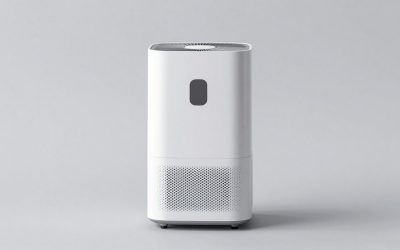
The Levoit Small Air Purifier for Bedroom, Home & Dorm is the best overall pick for dorm rooms, with the VOOPNU Air Purifier as runner-up for anyone who needs more coverage per dollar.
I spend most of my working life designing porches, screened rooms and patio spaces — places built to move air freely. A dorm room is the exact opposite: a sealed 120-to-200-square-foot box with one painted-shut window, a shared HVAC riser, and forty other rooms breathing into the same hallway. Outside, pollen and smoke disperse. Indoors, they settle into carpet, bedding and that upholstered lounge chair nobody has cleaned since 2019. This guide covers the air purifiers that actually work in that environment: compact enough for a desk or nightstand, quiet enough to sleep and study beside, and honest about filtration rather than leaning on gimmicks.
Our top picks
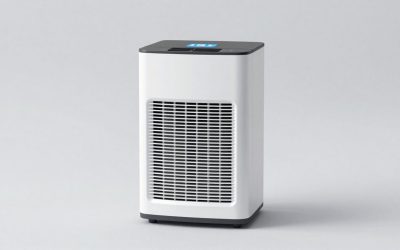
 Levoit Air Purifiers for Bedroom Home Pets
- 𝗪𝗛𝗬 𝗖𝗛𝗢𝗢𝗦𝗘 𝗔𝗛𝗔𝗠 𝗩𝗘𝗥𝗜𝗙𝗜𝗗𝗘 𝗔𝗜𝗥 𝗣𝗨𝗥𝗜𝗙𝗜𝗘𝗥𝗦: AHAM (Association…
- 𝗥𝗘𝗠𝗢𝗩𝗘 𝗣𝗢𝗟𝗟𝗨𝗧𝗔𝗡𝗧𝗦 𝗘𝗩𝗘𝗥𝗬𝗪𝗛𝗘𝗥𝗘: Our Pre-Filter and Main Filter…
- 𝗛𝗘𝗟𝗣𝗦 𝗠𝗔𝗞𝗘 𝗢𝗗𝗢𝗥𝗦 𝗢𝗗𝗢𝗥𝗟𝗘𝗦𝗦: The air purifier helps…
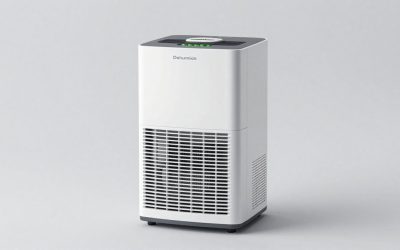
 VOOPNU Air Purifiers for Bedroom
- Effortless Operation: Simplified control panel with intuitive design…
- Compact Yet Powerful: Covers up to 1,076 ft²…
- 360° Airflow & High Efficiency Filtration: The elegantly…
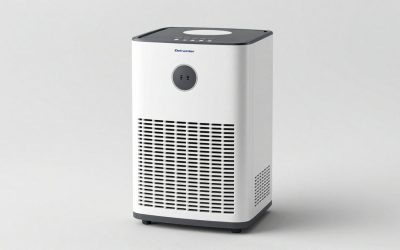
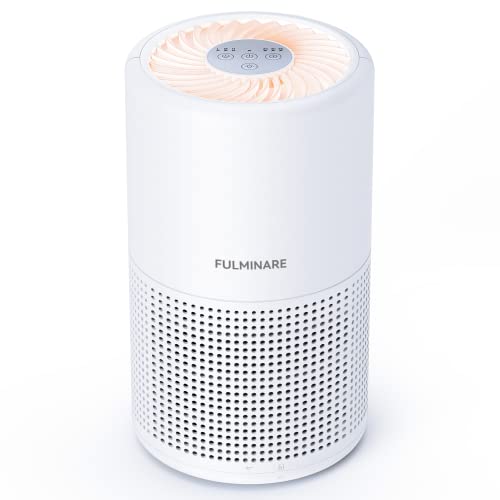 Air Purifiers for Bedroom
- Efficient Particle Filtration: FULMINARE air purifier uses an…
- High Circulation Rate: The air purifier for home…
- Low Decibel Operation: FULMINARE H13 air purifiers for…
| Product | Key specs | |
|---|---|---|
| Levoit Air Purifiers for Bedroom Home Pets | 𝗪𝗛𝗬 𝗖𝗛𝗢𝗢𝗦𝗘 𝗔𝗛𝗔𝗠 𝗩𝗘𝗥𝗜𝗙𝗜𝗗𝗘 𝗔𝗜𝗥 𝗣𝗨𝗥𝗜𝗙𝗜𝗘𝗥𝗦: AHAM (Association… 𝗥𝗘𝗠𝗢𝗩𝗘 𝗣𝗢𝗟𝗟𝗨𝗧𝗔𝗡𝗧𝗦 𝗘𝗩𝗘𝗥𝗬𝗪𝗛𝗘𝗥𝗘: Our Pre-Filter and Main Filter… 𝗛𝗘𝗟𝗣𝗦 𝗠𝗔𝗞𝗘 𝗢𝗗𝗢𝗥𝗦 𝗢𝗗𝗢𝗥𝗟𝗘𝗦𝗦: The air purifier helps… | Check price |
| VOOPNU Air Purifiers for Bedroom | Effortless Operation: Simplified control panel with intuitive design… Compact Yet Powerful: Covers up to 1,076 ft²… 360° Airflow & High Efficiency Filtration: The elegantly… | Check price |
| Air Purifiers for Bedroom | Efficient Particle Filtration: FULMINARE air purifier uses an… High Circulation Rate: The air purifier for home… Low Decibel Operation: FULMINARE H13 air purifiers for… | Check price |
 Levoit Air Purifiers for Home Bedroom Dorm Levoit Air Purifiers for Home Bedroom Dorm | 𝗪𝗛𝗬 𝗖𝗛𝗢𝗢𝗦𝗘 𝗔𝗛𝗔𝗠 𝗩𝗘𝗥𝗜𝗙𝗜𝗗𝗘 𝗔𝗜𝗥 𝗣𝗨𝗥𝗜𝗙𝗜𝗘𝗥𝗦: AHAM (Association… 𝗥𝗘𝗠𝗢𝗩𝗘 𝗣𝗢𝗟𝗟𝗨𝗧𝗔𝗡𝗧𝗦 𝗘𝗩𝗘𝗥𝗬𝗪𝗛𝗘𝗥𝗘: Our Pre-Filter and Main Filter… 𝗛𝗘𝗟𝗣 𝗠𝗔𝗞𝗘 𝗢𝗗𝗢𝗥𝗦 𝗢𝗗𝗢𝗥𝗟𝗘𝗦𝗦: The air purifier helps… | Check price |
 Purivortex Air Purifiers for Bedroom Purivortex Air Purifiers for Bedroom | Cleaner Air In Minutes: Purivortex is proven to… Breathe Easier with 99.97% Filtration: Purivortex HEPA air… Bigger Filter, Better Purification: Purivortex goes beyond the… | Check price |
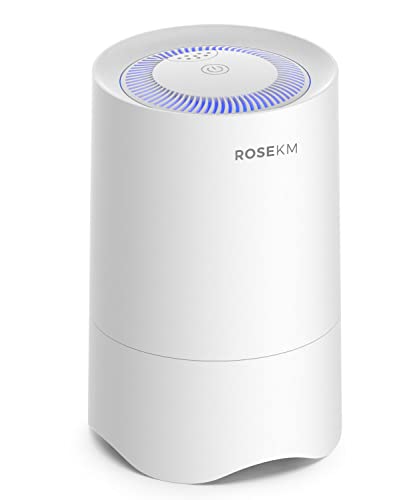 Rosekm Small Air Purifier for Home Bedroom Rosekm Small Air Purifier for Home Bedroom | Check price | |
 Air Purifiers for Bedroom Air Purifiers for Bedroom | 360° Air Intake: The HEPA air purifiers for… True HEPA 3-Stage Filtration: This small air purifier… Built-In Aromatherapy: Simply add 2-3 drops of your… | Check price |
 GoveeLife Smart Mini Air Purifier for Bedroom GoveeLife Smart Mini Air Purifier for Bedroom | Check price |
As an Amazon Associate we earn from qualifying purchases at no extra cost to you.
Quick Comparison
| Product | Best For | Standout Feature | Rating |
|---|---|---|---|
| Levoit Small Air Purifier (Bedroom, Home, Pets) | All-around dorm use | Proven three-stage filtration in a nightstand footprint | See card above |
| VOOPNU Air Purifier, 1076 Ft² | Budget coverage | Large rated area for the price | See card above |
| FULMINARE H13 True HEPA Air Purifier | Allergy and asthma sufferers | H13-grade media with night-light mode | See card above |
| Levoit Quiet Small Air Purifier | Light sleepers and shared rooms | Very low sleep-mode noise floor | See card above |
| Purivortex PX500, 880 Sq Ft | Pet hair and smoke odor | Heavier carbon stage for odors | See card above |
How to Choose an Air Purifier for Dorm Rooms
- Match CADR to the real room, not the label: Most dorms run 120–200 sq ft. Aim for a unit rated at least double that so it can clear the air four to five times an hour on a low, quiet setting instead of screaming at maximum.
- Insist on true HEPA, skip standalone ionizers: H13 or H11 mechanical filtration captures pollen, dander and smoke particulate. Ozone-generating ionizers can irritate airways in a small sealed room — if a unit has one, make sure it can be switched off.
- Check the noise floor, not the peak: Anything under about 25 dB on sleep mode disappears behind a box fan. Above 35 dB and your roommate will unplug it.
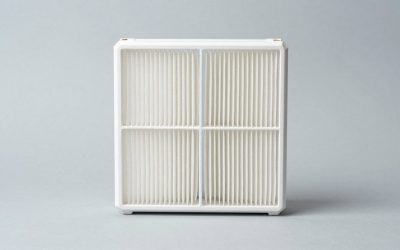
- Budget for filters, not just the unit: Replacements run every six to eight months in heavy-traffic housing. A cheap purifier with proprietary $40 filters costs more across two semesters than a mid-priced one with $18 filters.
- Confirm your housing rules and footprint: Many residence halls cap appliance wattage and ban anything with a heating element. Purifiers are almost always permitted, but measure your desk or nightstand first — vertical tower designs waste less surface area than wide ones.
The Best Air Purifiers for Dorm Rooms Reviewed
Best Overall: Levoit Small Air Purifier for Bedroom, Home & Pets
This is the pick I’d send a student off to school with: genuine three-stage filtration, a footprint that fits between a lamp and a laptop, and filters you can actually find in stock mid-semester. Best for the typical single or double room where you want it set up once and forgotten.
Best Budget: VOOPNU Air Purifier, 1076 Ft²
Rated coverage far beyond what a dorm needs, which means it can idle on low and still turn over the room several times an hour. Best for students splitting the cost with a roommate or filtering a larger suite common area.
Best Premium: FULMINARE H13 True HEPA Air Purifier
The H13 media captures finer particulate than standard HEPA, and the adjustable night light earns its keep in a room where one person studies while the other sleeps. Best for allergy and asthma sufferers who want measurable relief during pollen season.
Best for Light Sleepers: Levoit Quiet Small Air Purifier
Sleep mode on this one is genuinely near-silent, with the display fully dimmable. Best for shared rooms where any hum or glow becomes a negotiation.
Best for Pet Hair & Smoke Odor: Purivortex PX500
The deeper activated-carbon stage is what separates it — it handles lingering smoke, vape residue and dander odor rather than just recirculating them. Best for pet-friendly housing or rooms near a stairwell where hallway smells drift in.
Frequently Asked Questions
Do I really need an air purifier in a dorm room?
If you have allergies, asthma, a pet, or a roommate who smokes, yes. Dorms have poor per-room ventilation and high occupant density, so dust, dander and viral particulate accumulate faster than in a typical bedroom.
Should I run it constantly or only at night?
Continuously, on a low setting. Purifiers work by cumulative air exchange, so a unit running quietly around the clock outperforms one blasting for three hours before bed.
Is a small desktop purifier enough?
A personal unit like the Rosekm Mini Desk Air Purifier improves the air in your immediate breathing zone at a desk or bedside, but it won’t clean a whole room. Use one as a supplement, not a replacement.
Where should I place it?
Elevated, at least six inches from walls, and away from the doorway draft. Placing it near your bed’s head gives you the cleanest air where you spend eight hours a night.
Final Thoughts
For most students, the Levoit Small Air Purifier is the right buy — quiet, compact and dependable. Choose the VOOPNU if you want maximum coverage on a tight budget, or the Purivortex PX500 if pet dander and smoke odor are your real problem.