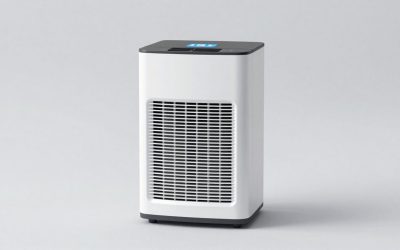
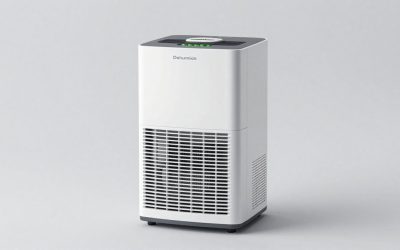
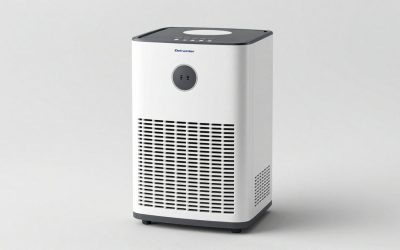
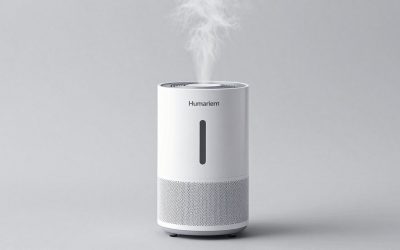
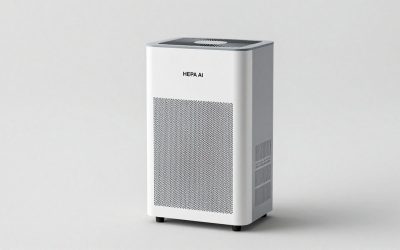
The GermGuardian GG1000 is the best overall pick for kitchen cooking smells and grease smoke, with the MOOKA 2200 Ft² HEPA purifier as the runner-up.
I spend most of the year cooking outside — offset smoker, flat-top griddle, live-fire kettle — and the hardest transition every autumn is bringing that cooking indoors. Searing a steak on a cast iron pan releases the same aerosolized fat and combustion particulate a griddle does outdoors, except now it has nowhere to go. It condenses on cabinet faces, settles into upholstery, and re-releases odor for days. Range hoods handle the plume directly above the burner; they do almost nothing for the grease-laden haze that drifts into the living room. This guide covers the purifiers and odor-control tools that actually address cooking particulate and gas-phase odor, what specifications matter, and which pick suits your kitchen layout.
Our top picks




As an Amazon Associate we earn from qualifying purchases at no extra cost to you.
Quick Comparison
| Product | Best For | Standout Feature | Rating |
|---|---|---|---|
| GermGuardian GG1000 | Everyday odor control | Plug-in design with UV-C and charcoal | See current rating |
| MOOKA Air Purifier 2200 Ft² | Open-plan kitchens on a budget | High coverage per dollar | See current rating |
| Medify MA-14 | Heavy searing and smoke | True HEPA to 0.3 microns | See current rating |
| BREETEE Portable Range Hood | Indoor BBQ and hot pot | 5-layer filter with oil cup | See current rating |
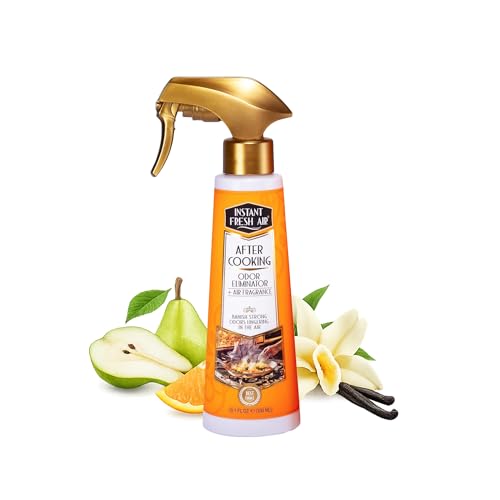
| Instant Fresh Air Odor Eliminator | Post-cook lingering smells | Targets food odor molecules directly | See current rating |
How to Choose an Air Purifier for Kitchen Cooking Smells and Grease Smoke
- Carbon mass, not just HEPA: HEPA captures grease particulate, but odor is gas-phase. Look for a genuine activated carbon stage — thin mesh coatings saturate within weeks in a working kitchen.
- Coverage with headroom: Cooking loads a room fast. Choose a unit rated for at least 1.5x your kitchen’s square footage so you can run it on a lower, quieter speed most of the time.
- Placement over power: Position the unit in the airflow path between the cooktop and the rest of the house, not in a corner. A modest purifier placed well outperforms a large one tucked behind a fridge.
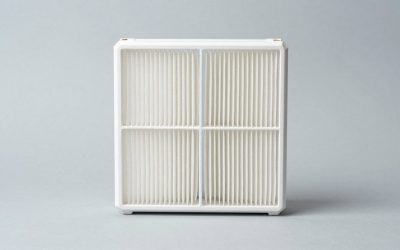
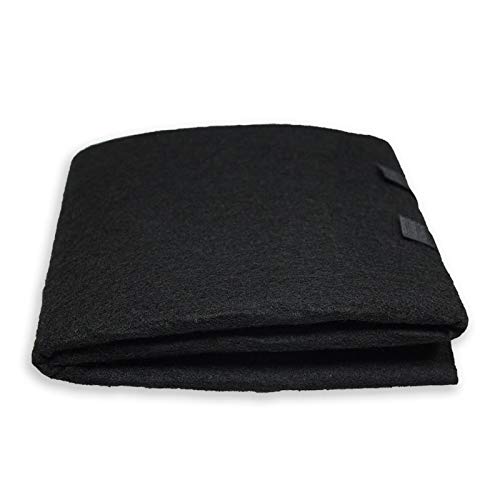
- Grease tolerance: Aerosolized fat clogs media quickly. Prefetch protection matters — a washable pre-filter or a cut-to-fit carbon sheet like the PUREBURG 16″x48″ roll extends filter life considerably.
- Filter cost over three years: Replacement cartridges often exceed the unit price. Price out annual filters before committing, especially for proprietary designs.
The Best Air Purifiers for Kitchen Cooking Smells and Grease Smoke, Reviewed
Best Overall: GermGuardian GG1000 Pluggable Air Sanitizer
This compact plug-in sits in an outlet near the kitchen threshold and works continuously on cooking, pet, and mold odors without occupying counter space. It is the right choice for apartments, galley kitchens, and anyone who wants set-and-forget odor control rather than a second appliance to manage.
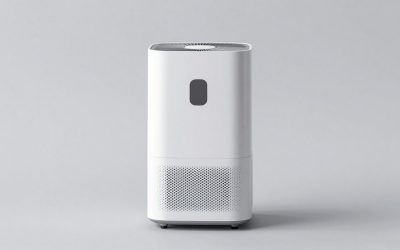
Best Budget: MOOKA Air Purifier for Large Rooms
With coverage claimed up to 2200 square feet and a HEPA stage, the MOOKA is the value play for open-concept homes where the kitchen bleeds into the dining and living areas. Best for households that need volume of air moved more than premium filtration.
Best Premium: Medify MA-14 with HEPA Filter
Medify’s H13-class media and 470 ft²/hour rating make this the pick for serious cooking — wok work, blackening fish, or bringing the griddle indoors for winter. Ideal for smaller kitchens where you want laboratory-grade particulate capture rather than a broad, weak sweep.
Best for Indoor Grilling: BREETEE Portable Range Hood
A purifier cleans the room; this captures smoke at the source with a 5-layer filter and a dedicated oil cup. It is the answer for tabletop BBQ, hot pot, dorm rooms, RVs, and any kitchen without a vented hood.
Best for Lingering Odors: Instant Fresh Air “After Cooking” Eliminator
Use this as the finishing step once the pan is off the heat and the purifier has done its work. Best for renters and anyone hosting shortly after cooking fish, garlic, or heavy fried food.
Frequently Asked Questions
Will an air purifier replace my range hood?
No. A vented hood removes heat, moisture, and combustion gases outdoors. A purifier recirculates and cleans room air, so the two are complementary — run both when possible.
Does grease damage HEPA filters?
It shortens their life significantly by coating the fibers. A washable pre-filter or an added carbon sheet absorbs the worst of it and is far cheaper to replace.
How long should I run the purifier after cooking?
Start it before you begin cooking and leave it on high for 30 to 60 minutes afterward. Odor molecules keep off-gassing from surfaces well after the pan cools.
Do purifiers remove carbon monoxide from gas cooktops?
No consumer purifier reliably removes carbon monoxide. Use a vented hood, open a window, and install a CO detector near gas appliances.
Final Thoughts
For most kitchens, the GermGuardian GG1000 delivers the best balance of continuous odor control and zero footprint. Step up to the Medify MA-14 if you cook hot and often, and add the BREETEE portable range hood if you are bringing outdoor-style grilling inside — capturing smoke at the source is always more effective than chasing it around the room.