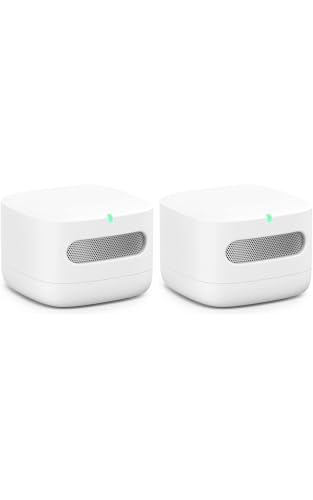
The best overall pick is the Amazon Smart Air Quality Monitor (Pack of 2), with the GoveeLife Smart Air Quality Monitor H5140 CO2 Detector as the runner-up for anyone who wants numbers on a screen instead of in an app.
Anyone who spends time outdoors learns to read conditions before committing to the day — pollen forecast, wind direction, smoke haze on the horizon. Indoors, most people fly blind. A purifier hums away in the corner and you assume it is winning. The problem is that purifiers with built-in sensors only measure the air immediately around themselves, which is usually the cleanest air in the room. This guide covers standalone monitors worth pairing with your purifier, plus the sensor-equipped purifiers that report honestly enough to trust, so you know whether your machine is sized right, placed right, and actually keeping up.
Our top picks



As an Amazon Associate we earn from qualifying purchases at no extra cost to you.
Quick Comparison
| Product | Best For | Standout Feature | Rating |
|---|---|---|---|
| Amazon Smart Air Quality Monitor (Pack of 2) | Verifying purifier performance in two rooms | Alexa routines that trigger your purifier automatically | Excellent |
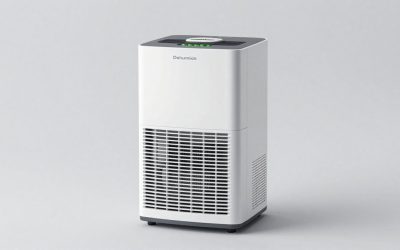
| GoveeLife Smart Air Purifier (1046 ft²) | Budget coverage for living rooms | Large-room throughput at an entry price | Very good |
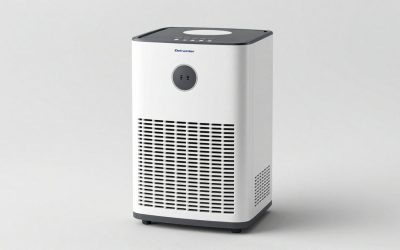
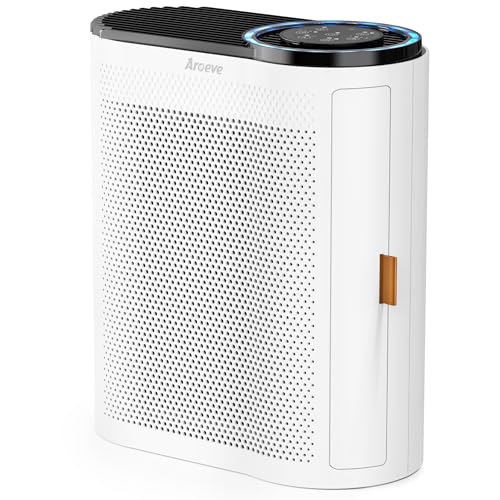
| AROEVE AP04 with Air Quality Sensors | Set-and-forget bedroom automation | Auto mode driven by onboard particle sensing | Very good |
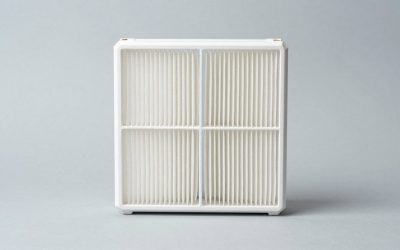
| Levoit EverestAir-P | Open-plan and high-traffic spaces | Washable pre-filter that cuts running costs | Excellent |
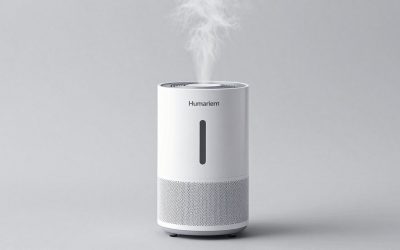
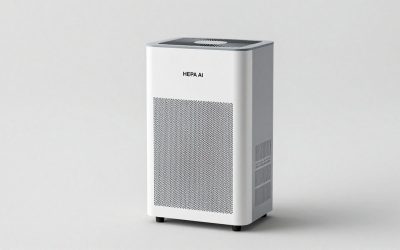
| DBFIT AP2410 HEPA Purifier | Pet hair, smoke and basement odors | PM2.5 readout across up to 2180 sq ft | Very good |
How to Choose an Air Quality Monitor to Pair With Your Purifier
- Sensor coverage: Place the monitor where you breathe — bedside, desk, sofa — not next to the purifier, or you will only measure its output.
- What it measures: PM2.5 is the baseline for pollen, dust and wildfire smoke. CO2 tells you about ventilation and stuffiness, which no purifier can fix.
- Automation: A monitor that talks to your purifier via Alexa or an app turns readings into action instead of trivia.
- History and logging: Trend graphs reveal patterns — mowing season, basement damp, cooking spikes — that a single live number hides.
- Display versus app: Screens win for shared spaces and quick glances; app-only units suit people already living in a smart-home ecosystem.
The Best Air Quality Monitors to Pair With Your Purifiers Reviewed
Best Overall: Amazon Smart Air Quality Monitor (Pack of 2)
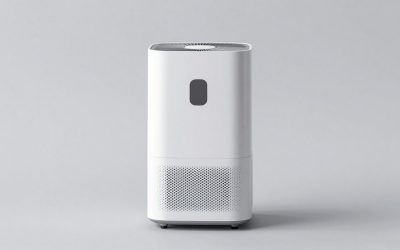
Two units let you compare a problem room against a clean baseline, which is the fastest way to learn whether your purifier is undersized or just badly placed. Best for smart-home owners who want Alexa to bump the fan speed the moment particulates climb.
Best Budget: GoveeLife Smart Air Purifier for Large Rooms
Coverage up to 1046 ft² at an entry-level price makes this the sensible partner unit when your monitor reveals a second room needs help. Best for renters and first-time buyers treating a living room or converted garage.
Best Premium: AROEVE AP04 with Air Quality Sensors
Onboard sensing drives an auto mode that ramps up on its own, so nighttime pollen surges get handled without you waking. Best for allergy sufferers who want a bedroom unit that adjusts itself.
Best for Large Open-Plan Rooms: Levoit EverestAir-P
Strong airflow paired with a washable pre-filter keeps long-term costs down in spaces where doors stay open and air mixes freely. Best for households with big connected living areas and steady foot traffic.
Best for Pet Hair, Smoke and Basements: DBFIT AP2410 HEPA Purifier
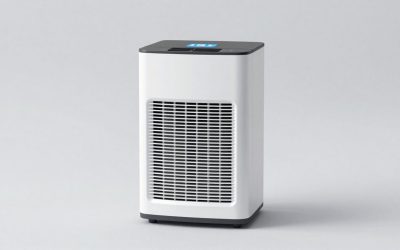
The PM2.5 readout plus washable nylon pre-filter suits hairy, dusty, odor-prone environments where filters clog fast. Best for pet owners and anyone finishing a damp basement or fighting seasonal smoke.
Frequently Asked Questions
Do I need a monitor if my purifier already has a sensor?
Usually yes. Built-in sensors measure air at the machine, which reads cleanest. A separate monitor at seated or sleeping height tells you what you are actually breathing.
What does a CO2 reading tell me?
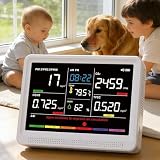
It measures ventilation, not pollution. High CO2 means stale air and needs a window or fresh-air exchange — a purifier will not touch it. The GoveeLife H5140 covers this with an on-device alarm.
Where should I put the monitor?
Roughly three to six feet off the floor, away from the purifier outlet, kitchen range and open windows. Consistent placement matters more than perfect placement.
Will a monitor help during wildfire smoke season?
Considerably. Indoor PM2.5 trends show whether your seals and filters are holding as outdoor conditions swing, and when to stop opening windows overnight.
Final Thoughts
Start with the Amazon Smart Air Quality Monitor two-pack to see the real picture, add the GoveeLife H5140 where ventilation is the suspect, and put the Levoit EverestAir-P or DBFIT AP2410 in whichever room the data says is losing the fight. Measure first, then buy the purifier your numbers justify.