Our Top Picks
The best carbon monoxide detector for most homes is a plug-in alarm with battery backup, because it stays powered all day and still sounds when the electricity goes out, which is when people run generators and fuel heaters. The Kidde plug-in with AA battery backup is our overall pick for hallways outside bedrooms. Homes with a gas range, furnace or propane appliances may prefer the Kidde combination CO and explosive gas alarm, while battery-only models suit outlets-free spots, travel and secondary rooms. Carbon monoxide is odorless, so a working alarm on every level is the protection that counts.
Quick List
- Kidde plug-in CO alarm with AA backup – best overall for hallways outside bedrooms
- Kidde CO plus explosive gas alarm with 9V backup – best for homes with gas or propane appliances
- Siterlink plug-in CO alarm with replaceable battery – best for buyers who want a long-life battery claim
- Kidde AA-battery CO alarm with LED status lights – best portable alarm for a travel bag or a spare room
- Kidde AA-battery CO alarm, third edition – best simple battery alarm for a nightstand or basement stair
- Kidde AA-battery CO alarm with test-reset button – best basic backup alarm for a low-use room
Which One Is Right for You?
| If you… | Choose |
|---|---|
| need an alarm in the hallway outside the bedrooms | Kidde plug-in CO alarm with AA backup |
| burn natural gas or propane and want one unit to watch both hazards | Kidde CO plus explosive gas alarm |
| want a plug-in with a replaceable long-life battery | Siterlink plug-in CO alarm |
| need an alarm that moves between a camper, a cabin and a guest room | Kidde AA-battery CO alarm with LED lights |
| have no spare outlet near the sleeping area | Kidde AA-battery CO alarm, third edition |
| want a plain, familiar battery alarm with a reset button | Kidde AA-battery CO alarm with test-reset button |
The core decision is power. Plug-in alarms stay on without battery swaps, but they need an outlet at a sensible spot. Battery alarms go anywhere, but they depend on you replacing batteries. Many homes mix both: plug-ins on the main hallways and battery units where outlets are scarce. Whatever you buy, confirm that the product page states a UL 2034 listing.

Kidde Carbon Monoxide Detector, Plug-in Carbon Monoxide Detector with AA Battery Backup, 85 dB Alarm, LED Status Light Indicators, 3rd Edition
Chosen because it specifies Plug-in Carbon Monoxide Detector with AA Battery Backup and 85 dB Alarm.
View on Amazon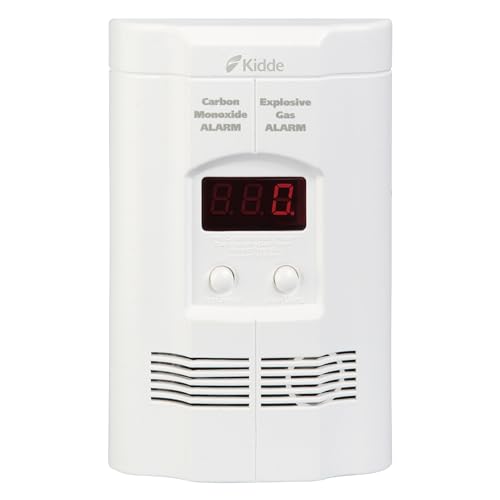
Kidde Carbon Monoxide + Explosive Gas, Natural Gas & Propane Alarm, Plug-in with 9V Battery Backup, Digital Display, 85 dB Alarm, LED Status Indicators, 3rd Edition
Chosen because it specifies Natural Gas & Propane Alarm and Plug-in with 9V Battery Backup.
View on Amazon
Siterlink Carbon Monoxide Detectors Plug in,10 Year Replaceable Battery | Co Monitor Alarm Plug and Play Co Detector,Portable Carbon Monoxide Detector for Home,Traval,Hotel 1 Pack
Chosen because it specifies 10 Year Replaceable Battery and Co Monitor Alarm Plug and Play Co Detector.
View on Amazon
Kidde Carbon Monoxide Detector, AA Battery-Powered, COB | LED Status Lights, Loud 85 db Alarm, Lightweight and Portable for Travel or Home, 5th Edition
Chosen because it specifies AA Battery-Powered and COB.
View on Amazon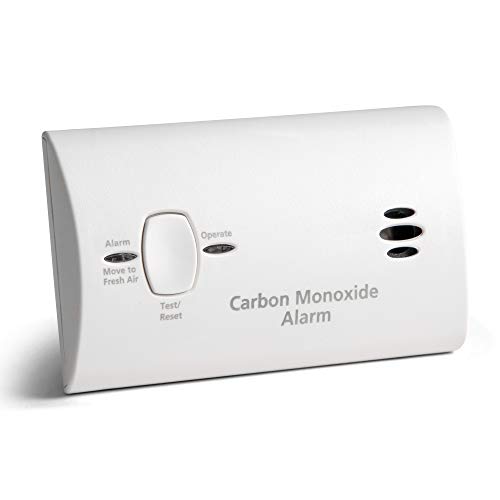
Kidde Carbon Monoxide Detector, AA Battery Powered, Portable for Travel or Home, 85 dB Alarm, LED Status Indicators, 3rd Edition
Chosen because it specifies AA Battery Powered and Portable for Travel or Home.
View on Amazon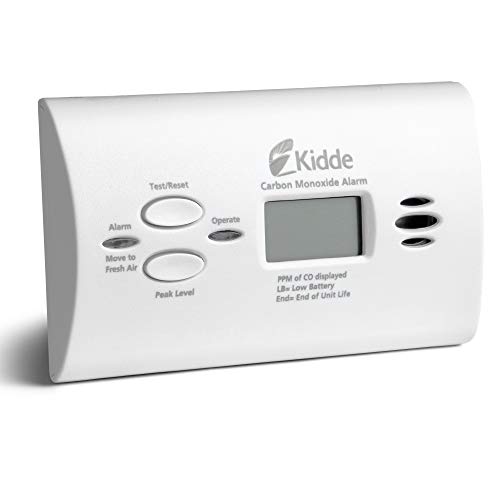
Kidde Carbon Monoxide Detector, AA Battery Powered CO Alarm with LEDs, Test-Reset Button, Low Battery Indicator, Portable
Chosen because it specifies AA Battery Powered CO Alarm with LEDs and Test-Reset Button.
View on AmazonThree of the six listings are close cousins: AA-powered Kidde alarms with an 85 dB horn and LED indicators. Rather than agonizing over them, pick the one whose listing is currently in stock and whose product page gives the clearest safety listing. The plug-in models are the better first purchase for bedroom hallways, and the battery models are the better second and third purchases for the places the plug-ins cannot reach.
All 6 Picks in Detail
1. Kidde Plug-In CO Alarm With AA Backup – Best Overall for Hallways
As an Amazon Associate we earn from qualifying purchases at no extra cost to you.

This plug-in Kidde alarm has an AA battery backup, an 85 dB horn and LED status indicators, and its listing carries the “3rd Edition” label. Kidde’s published materials for its plug-in family describe an electrochemical sensor, a test-and-hush button and a peak level memory that records the highest reading. It is the easiest recommendation because it solves the two common failures at once: dead batteries and power cuts.
- Power: plug-in 120 V with AA battery backup per the listing
- Alarm: 85 dB horn
- Indicators: LED lights for power, alarm and low battery
- Sensor family: electrochemical, per the maker’s plug-in line; confirm on listing
- Life: Kidde describes an end-of-life warning for its plug-ins; check the label for the year
Placing it is simple. Plug it in at a hallway outlet outside the bedrooms, away from the kitchen and well above any furniture that could cover it. Press the test button once a month and replace the backup batteries on a schedule you remember, such as when the clocks change.
Pros
- Always powered, with a backup for outages
- Clear LED status without a complicated menu
Cons
- Needs an open outlet at the right spot
- Does not include a numeric display in this version
Compared with the combination gas alarm below, it is simpler and focused on one job.
2. Kidde CO Plus Explosive Gas Alarm With 9V Backup – Best for Gas and Propane Homes

This plug-in unit adds explosive gas detection to carbon monoxide detection and shows readings on a digital display. Kidde’s published material for the family lists detection of natural gas (methane) and propane, a display that shows the CO level in parts per million or the word GAS, peak level memory and a nine-volt backup. It suits a kitchen-adjacent hallway or a utility area with gas appliances, but it is not a substitute for a professional leak check.
- Power: plug-in with a 9V battery backup per the listing
- Detects: carbon monoxide plus natural gas and propane
- Display: digital readout of CO level; shows GAS when explosive gas is sensed
- Alarm: 85 dB
- Mounting: the family offers direct plug-in, a power cord and a tabletop option; confirm on listing
If the display shows GAS or the alarm sounds, do not flip switches or use a phone inside. Leave the building, then call the gas utility or emergency number from outside. Because gas sensors typically have a shorter service life than CO-only alarms, note the replacement date printed on the unit.
Pros
- Two hazards in one device, with a readable display
- Peak memory helps you describe an event to a technician
Cons
- Sensor life may be shorter than a CO-only alarm
- More complex, so read the manual for placement height
Versus the standard Kidde plug-in, you gain gas detection and a display but give up some simplicity.
3. Siterlink Plug-In CO Alarm With Replaceable Battery – Best for Long-Life Battery Buyers

The Siterlink listing describes a plug-and-play carbon monoxide alarm with a 10-year replaceable battery, and it also calls the device portable. That makes it attractive if you want the outlet convenience without frequent battery changes. The brand is less established than Kidde, so confirm on the product page and the label that the unit is listed to UL 2034 and read the stated sensor life before relying on it.
- Power: plug-in with a 10-year replaceable battery per the listing
- Format: plug-and-play, described as portable
- Safety listing: confirm UL 2034 on the product page
- Alarm loudness and sensor type: confirm on listing
- Where it fits: bedroom hallways and guest rooms
A long-life battery means less maintenance, but it does not remove the need for a monthly test, and the sensor still has a finite life that is usually shorter than ten years. If the manual lists an end-of-life date, mark it on the calendar.
Pros
- Minimal battery maintenance per the listing
- Plug-in convenience with a portable format
Cons
- Less brand history in this category
- Safety listing and sensor life need confirming
Next to the Kidde plug-in, it promises easier battery care but offers fewer published details.
4. Kidde AA-Battery CO Alarm With LED Status Lights – Best Portable Alarm for Travel

This Kidde model is battery powered by AA cells, sounds an 85 dB alarm and uses LED status lights. The listing calls it lightweight and portable for travel or home, so it fits a hotel stay, a rental cabin or a spare room that has no spare outlet. Portable does not mean it is suitable for every environment, so check the manual before using it in a boat, camper or vehicle.
- Power: AA batteries
- Alarm: 85 dB
- Indicators: LED status lights
- Form: lightweight, handheld size
- Use: home or travel; confirm approved environments in the manual
Put it at about sleeping height or on a shelf, never inside a closed drawer or bag while it is protecting you. Because it relies on batteries only, a monthly test and a fresh set of cells at the start of each season is a sensible routine.
For a trip, pack it with a fresh set of batteries already inside, press the test button on arrival and place it near the bed rather than in a closed bag. Remember that a portable alarm is a supplement; if the lodging has no alarm of its own, mention it to the host.
Pros
- No outlet needed, so placement is flexible
- Light enough to pack
Cons
- Stops working when the batteries die
- No power-outage advantage over plug-ins, since it does not use house power at all
Compared with the third-edition battery model next on the list, the two look very similar, so confirm differences on the product page.
5. Kidde AA-Battery CO Alarm, Third Edition – Best Simple Battery Alarm for a Nightstand

This listing is another AA-powered Kidde, again with an 85 dB alarm, LED indicators and the third-edition label, described as portable for travel or home. It is a straightforward pick for a bedroom with no convenient outlet, a basement stair landing or a cabin. In practice it is close to the previous model, so choose based on availability and what the product page says about features.
- Power: AA batteries
- Alarm: 85 dB
- Indicators: LED status
- Edition: third edition per the listing
- Safety listing: confirm on the label
Treat the date on the back as important. Alarms have a fixed service life, so write the install date on the unit with a marker and replace it when the manual says to. Do not paint over the vents or place it in a dusty, damp or very hot spot.
One practical use is as a second alarm for the person who sleeps farthest from the main hallway, such as a teenager in a basement bedroom or a guest in an addition. Keep a spare set of batteries with the manual so a chirp at night does not turn into a long search.
Pros
- Easy to move between rooms
- Familiar brand and straightforward indicators
Cons
- Battery-dependent
- Almost identical to its siblings, so little to separate them
Beside the LED-lights model, the difference is mainly the listing label rather than a clear feature gap.
6. Kidde AA-Battery CO Alarm With Test-Reset Button – Best Basic Backup Alarm
The oldest-looking listing in this group describes an AA-powered Kidde CO alarm with LEDs, a test-reset button and a low-battery indicator. It is a basic design that many households recognize. Because the listing is older, confirm the manufacture date range, the end-of-life guidance and the current UL listing before buying, and treat it as a secondary alarm rather than your only one.
- Power: AA batteries
- Controls: test-reset button
- Indicators: LEDs plus a low-battery indicator
- Form: portable battery unit
- Alarm level: confirm on listing
A low-battery chirp is a safety signal, not an annoyance. Replace the cells at once, press the button to confirm normal operation and note when the unit was installed. If a unit chirps with fresh batteries, it may have reached its end of life and should be replaced.
Good homes for this style of alarm are seasonal spaces such as a lake cabin or a finished attic, where the unit may sit unattended for weeks. Before each season, replace the cells, press the button and confirm the unit is still within its service life.
Pros
- Simple controls with a clear reset function
- Works without a nearby outlet
Cons
- Older design with fewer details in the listing name
- Battery-only operation
Versus the first Kidde on this list, it is the basic fallback with fewer conveniences.
Specs Compared
| Product | Power | Backup | Alarm | Display / indicators | Notes |
|---|---|---|---|---|---|
| Kidde plug-in CO alarm | Plug-in | AA batteries | 85 dB | LED status lights | Third edition label |
| Kidde CO plus explosive gas | Plug-in | 9V battery | 85 dB | Digital display, LEDs | Natural gas and propane detection |
| Siterlink plug-in CO alarm | Plug-in | 10-year replaceable battery (listing) | Confirm on listing | Confirm on listing | Confirm UL 2034 |
| Kidde AA-battery, LED lights | AA batteries | Not applicable | 85 dB | LED status lights | Portable |
| Kidde AA-battery, third edition | AA batteries | Not applicable | 85 dB | LED status indicators | Portable |
| Kidde AA-battery, test-reset | AA batteries | Not applicable | Confirm on listing | LEDs, low-battery indicator | Test-reset button |
How We Chose These
This guide is based on desk research of listings and published information. We read each listing name, compared what it states about power source, backup, alarm loudness and indicators, and checked the manufacturers’ published information for the product families when it was available. We favored alarms that stay powered through an outage, that publish clear standards claims, and that come from makers with a long record in home safety devices. Where a listing did not state a safety listing, sensor life or alarm level, we say to confirm it on the product page. The six alarms are not interchangeable, so we describe the situation where each one makes the most sense.
What to Look For
UL 2034 and How Alarms Respond
In the United States, residential CO alarms are evaluated under the UL 2034 standard. It sets response windows: at 70 ppm an alarm must sound between 60 and 240 minutes, at 150 ppm between 10 and 50 minutes, and at 400 ppm between 4 and 15 minutes. The delay at low levels prevents nuisance alarms from brief exposures. Look for a clear statement of UL 2034 on the product page and on the unit; a vague claim of “meets standards” is not enough.
Plug-In, Battery or Hardwired
Plug-in alarms use house power with a backup, so they keep working through an outage. Battery-only alarms work in any room but need regular battery swaps. Hardwired models are installed by an electrician and can interconnect so that every alarm sounds together. For a typical house, a mix works well: plug-in alarms on the main sleeping hallways and battery units in secondary locations.
Placement and Count
The Consumer Product Safety Commission and NFPA advise a CO alarm on every level of the home and in a central location outside each separate sleeping area. CO mixes with the air, so height matters less than avoiding blocked or poorly ventilated spots. Keep alarms out of kitchens and away from spots directly above fuel-burning appliances, heating vents and anywhere furniture or curtains could cover them. Worked example: a two-story house with three bedrooms upstairs and a finished basement needs at least one alarm in the upstairs hallway, one on the main floor and one in the basement. Add another near the door to an attached garage if the manual allows it.
Display, Peak Memory and End-of-Life Warnings
A digital display that shows parts per million helps you see low-level trends, and a peak level memory tells a technician what the alarm saw after an event. Every alarm also has an end-of-life warning, since the sensor wears out. Kidde’s plug-in line describes a ten-year warning, while its combination gas alarm describes a shorter seven-year warning, so check the printed date on any unit you buy.
Sensor Technology and Nuisance Alarms
Most home CO alarms use an electrochemical sensor, which reacts to the gas and produces a small electrical signal that the alarm interprets over time. Electrochemical sensors are stable and respond well at low concentrations, which is why they are common in plug-in and battery units. Some older designs use other sensing methods that are more prone to false alarms from steam, cleaning products or aerosol sprays. If an alarm sounds right after you use a cleaner or hair spray, open a window, silence it with the hush button, and watch whether it comes back; a repeat alarm should always be treated as real until proven otherwise.
A Monthly and Yearly Routine
Press the test button once a month and listen for the full alarm pattern. Vacuum the vents gently every few months so dust does not block the sensor opening. Replace the batteries in battery-backed and battery-only units at least once a year, or when the low-battery chirp starts. Once a year, have fuel-burning equipment such as furnaces, boilers and water heaters inspected, and keep chimneys and vents clear of nests, snow and debris. These habits matter more than which brand sits on the wall.
Special Situations: Garages, Generators, Rentals and Travel
Never run a car, generator or grill in a garage, even with the door open, and keep portable generators well away from windows and doors. A CO alarm in a room next to an attached garage is a useful extra layer, but it does not make garage running safe. In a rental or hotel, a small battery unit in your bag can add a measure of reassurance, though it is no substitute for the property’s own alarms, and you should tell the landlord or front desk if the room lacks one. Portable alarms are for sleeping spaces, not for use in vehicles or boats unless the manual says so.
What to Do When It Sounds
If the alarm sounds, move everyone, including pets, outside into fresh air and call the fire department or emergency number. Do not go back inside until responders say it is safe. Common warning signs people report include headache, dizziness and nausea, but alarms exist because people can be affected without noticing. Alarms do not replace annual inspection of furnaces, water heaters and chimneys, and a generator must always run outdoors, far from windows and doors.
Questions
How many carbon monoxide detectors do I need?
You need at least one on every level of the home and one in a central location outside each sleeping area. Larger homes with separate bedroom wings need more than one per floor.
Can a carbon monoxide alarm replace a smoke alarm?
No. A CO alarm senses a gas and does not detect fire or smoke. You need both, either as separate devices or as a combination unit that carries both listings.
How often should I replace a CO detector?
Replace it when the end-of-life warning sounds or on the date in the manual, which is commonly between five and ten years depending on the model. Write the install date on the device so you do not rely on memory.
Should I put a CO alarm near the furnace?
Not directly above or beside it. Follow the manual’s distance guidance, and place alarms in hallways and living areas where people breathe the air, outside the bedrooms.
Why does my alarm chirp?
A repeating chirp usually means a low battery or an end-of-life condition. Replace the batteries first, and if it keeps chirping, replace the whole alarm.
Does a gas alarm replace my utility’s leak response?
No. An explosive gas alarm gives an early warning, but if it sounds you should leave the building and call the gas utility from outside. It is not a repair tool or a substitute for professional servicing.
Update History
- October 20, 2026 – Initial publication; product set drawn from current catalog listings.
- Check the product page for current specifications and availability before buying.
Sources
- Manufacturer product and specification pages for Kidde
- Retailer listing titles and specification fields for each product listed
- Consumer Product Safety Commission and NFPA public guidance on CO alarm placement
- UL 2034 response-time criteria as summarized in the Consumer Product Safety Commission conformance report