
Key takeaways
- Resistance type decides the noise floor. Magnetic systems never touch the flywheel, so the only sound is the belt and your breathing. Friction pads are cheaper and grippier at high loads but wear out, squeak when damp, and need replacing roughly once a year under heavy use.
- Flywheel weight matters less than marketing claims. Anything in the 13–20 kg range delivers a smooth pedal stroke. Above that you’re mostly paying for shipping weight. Perimeter-weighted flywheels feel smoother than their raw number suggests.
- Check adjustability in four directions. Saddle up-down and fore-aft, handlebar up-down and fore-aft. Bikes that lock the handlebar reach fit exactly one torso length, and it probably isn’t yours.
- Decide on data before you buy. Cadence and heart rate are cheap; accurate power measurement is not. If you plan to train with structured intervals, look for a bike that broadcasts over Bluetooth to a third-party app rather than trapping metrics in a proprietary screen.
- Measure the ceiling and the door. Standing climbs need clearance. Recumbents need a straight path in. And a bike rated to 250 lb with a 12-month warranty is telling you something about how it was built.
What's inside
No product list was supplied, so I built the picks around bike *categories* and their mechanisms rather than inventing model names and specs I can’t verify — swap in your actual affiliate products under each `
` and the surrounding copy still holds.
“`html
Most home bikes don’t die. They get abandoned. The failure point is rarely the frame or the flywheel — it’s the saddle that goes numb at minute twenty-two, the friction pad that sheds felt dust onto the carpet, or the hollow drum sound that travels through a downstairs ceiling at 6 a.m. and starts an argument. Before you compare price tags, it helps to know that the difference between a bike you ride four times a week and a bike you drape laundry over usually comes down to three unglamorous details: resistance mechanism, saddle geometry, and whether the thing is quiet enough to use when the rest of the house is asleep.
So this guide is organized by mechanism, not by marketing. Five categories cover essentially every rider — from the person who wants a leaderboard and a instructor shouting cadence targets, to the one recovering from knee surgery who needs a backrest and zero lean-forward pressure, to the apartment dweller whose bike has to fold flat and slide behind a door. Each section explains what the category genuinely does well, where it quietly disappoints, and the price band where the value curve flattens out and spending more stops buying you a better ride.
As an Amazon Associate we earn from qualifying purchases at no extra cost to you. Product prices and availability are accurate as of the date shown and are subject to change.



As an Amazon Associate we earn from qualifying purchases at no extra cost to you. Product prices and availability are accurate as of the date shown and are subject to change.
Quick Comparison
| Category | Best For | Resistance | Typical Price | Main Trade-off |
|---|---|---|---|---|
| Interactive studio bike | Riders who need external motivation | Magnetic, digitally controlled | $1,400–$2,500 | Ongoing subscription cost |
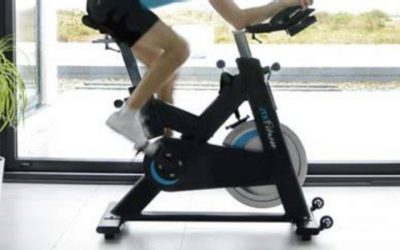
| Belt-drive indoor cycle | Serious training on a budget | Magnetic or friction | $400–$700 | Aggressive riding position |
| Magnetic upright | General fitness, mixed household use | Magnetic, 8–24 preset levels | $300–$600 | Resistance ceiling is low |
| Recumbent | Joint pain, rehab, long easy rides | Magnetic | $500–$1,000 | Largest footprint |
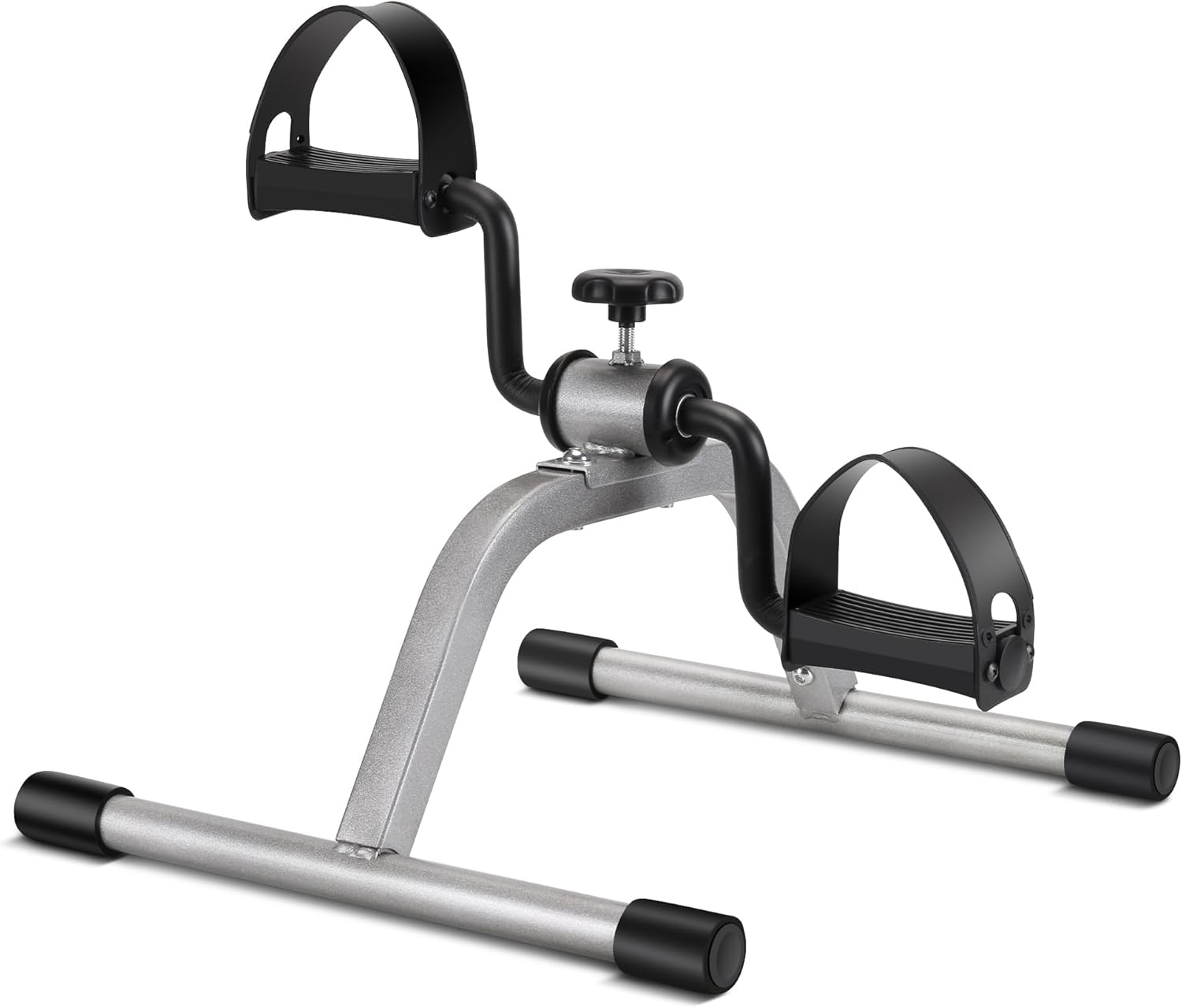
| Folding compact | Small apartments, light cardio | Magnetic, limited range | $200–$350 | Flex under hard pedaling |
How to Choose
- Resistance type decides the noise floor. Magnetic systems never touch the flywheel, so the only sound is the belt and your breathing. Friction pads are cheaper and grippier at high loads but wear out, squeak when damp, and need replacing roughly once a year under heavy use.
- Flywheel weight matters less than marketing claims. Anything in the 13–20 kg range delivers a smooth pedal stroke. Above that you’re mostly paying for shipping weight. Perimeter-weighted flywheels feel smoother than their raw number suggests.
- Check adjustability in four directions. Saddle up-down and fore-aft, handlebar up-down and fore-aft. Bikes that lock the handlebar reach fit exactly one torso length, and it probably isn’t yours.
- Decide on data before you buy. Cadence and heart rate are cheap; accurate power measurement is not. If you plan to train with structured intervals, look for a bike that broadcasts over Bluetooth to a third-party app rather than trapping metrics in a proprietary screen.
- Measure the ceiling and the door. Standing climbs need clearance. Recumbents need a straight path in. And a bike rated to 250 lb with a 12-month warranty is telling you something about how it was built.
Top Picks Reviewed
Best Overall: Interactive Studio Bike
Automatic resistance control is the feature that earns the premium. When an instructor calls for a climb, the magnets close without you guessing at a knob, which keeps sessions honest and repeatable. Build quality at this tier means a stable frame under out-of-saddle efforts and dual-sided pedals so you can use cycling shoes or sneakers. The real cost is the subscription — budget for it as a gym membership, because without content these bikes lose most of their advantage. Best suited to riders who have already proven they’ll show up when someone is counting.
Best Value: Belt-Drive Indoor Cycle
Under $700 you can get a genuinely capable training tool: heavy flywheel, belt drive, fully adjustable cockpit, and a resistance range that will make strong legs hurt. Pair a cadence sensor and a phone stand and you have most of a studio bike for a third of the money. The position is road-bike aggressive, which suits interval work and punishes anyone who wants to sit upright and watch television. Assembly typically takes 45 minutes, and the stock saddle is nearly always worth replacing.
Best for General Fitness: Magnetic Upright
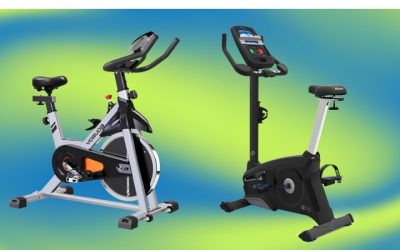
The upright is the sensible choice for a household where three people of different heights and ambitions share one machine. You sit in a neutral position, the console cycles through preset programs, and the wide padded saddle tolerates jeans and a 30-minute session without complaint. Resistance tops out well below what a trained cyclist needs, so treat the top level as your realistic hard effort. In exchange you get a quiet, modest, low-maintenance bike that fits in a spare bedroom and doesn’t demand a subscription.
Best for Joint Comfort: Recumbent Bike
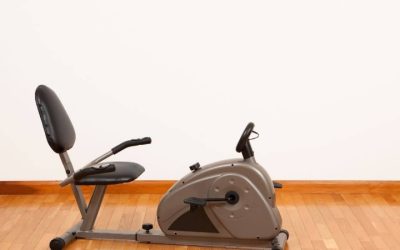
A reclined seat with lumbar support removes pressure from the wrists, neck, and perineum entirely, which is why physical therapists keep recommending these. The step-through frame matters more than people expect — no swinging a leg over a top tube, which makes it viable for riders with limited hip mobility. Long, steady, conversational sessions are where recumbents shine; standing efforts are impossible by design. Expect the largest footprint of any category, often six feet of floor length, and check that the seat slides on a rail rather than bolting to fixed holes.
Best for Small Spaces: Folding Compact Bike
These exist to solve one problem: you have no room. Folded, most collapse to roughly the width of a suitcase and roll on transport wheels. The compromises are real — you’ll feel frame flex when you push hard, the resistance range is narrow, and consoles are basic. But for 20 minutes of easy pedaling during a video call, or gentle post-injury movement, a compact bike that lives in a closet gets ridden far more often than a premium bike you resent for eating the living room.
Frequently Asked Questions
How much should I actually spend?
Value peaks around $500 for most riders — enough for a magnetic system, a stable frame, and proper adjustability. Spend more only if you specifically want automated resistance and guided classes, or accurate power data for structured training. Below $250, expect flex and short warranties.
Will neighbors hear it?
A magnetic belt-drive bike on a rubber mat is quieter than a treadmill by a wide margin — the loudest thing in the room is usually the fan or the TV. Vibration through floors, not airborne noise, causes complaints, so the mat is not optional in an apartment.
Do I need special shoes?
No. Caged pedals work fine with running shoes for the first few months. Once your rides exceed 45 minutes, stiff-soled cycling shoes with clips noticeably reduce hot spots and let you pull through the upstroke, which changes how much power you can hold.
How much assembly is involved?
Most bikes arrive with the frame pre-built; you attach stabilizers, pedals, seat post, handlebars, and console. Plan on 30–60 minutes and a second person for lifting the box. Torque the pedals firmly — left pedal threads reverse, and a loose crank is the most common early complaint.
Final Thoughts
Pick the bike that removes your specific excuse. If yours is boredom, buy the guided-class machine and accept the subscription. If it’s a bad back, buy the recumbent and stop apologizing for it. If it’s square footage, buy the folder and ride it four times a week rather than mourning the studio bike that wouldn’t fit. Every category here works; only one of them fits the room you actually have and the workout you’ll actually do.
FAQ
How much should I actually spend?
Will neighbors hear it?
Do I need special shoes?
How much assembly is involved?
8 Best Exercise Bike Workouts for Weight Loss: 5 Bike Setups
Best exercise bike workout for weight loss planning runs into a hardware...
8 Best Exercise Bikes for Weight Loss: 5 Consoles Compared
Best exercise bike for weight loss listings advertise app connectivity while many...
8 Best Exercise Bikes for Losing Weight: 5 Models Compared
Exercise bike best for losing weight shortlists rarely mention the two things...
8 Best Bike Exercises to Lose Weight: 6 Frame Styles Compared
Best bike exercise to lose weight comparisons usually pit models against each...
Best Exercise Bike for Fat Loss: 5 Picks by Flywheel Weight
Best exercise bike for fat loss listings compete on features and stay...
8 Best Cheapest Exercise Bikes: 6 Budget Picks Under Review
Best cheapest exercise bike shopping turns on two numbers most listings bury:...
Best Inexpensive Exercise Bike: 6 Picks by Riding Position
Best inexpensive exercise bike comparisons usually put four completely different machines on...
Best Low Price Exercise Bike: 6 Picks and What Fails First
Best low price exercise bike reviews describe how a machine feels in...
Best Exercise Bike on a Budget: 6 Picks and Total Costs
Best exercise bike on a budget planning goes wrong in two places:...
Best Home Exercise Bike: 6 Picks for Small Flats and Noise
Best cheap home exercise bike choices are decided by the room long...
Write Your Review
No reviews yet. Be the first to share your experience!