Key takeaways
- Material: Genuine leather offers natural variation and aging, while faux leather provides consistent color, easier sourcing, and often a lower project cost.
- Thickness: Thicker hides generally resist everyday wear, but very heavy material can be harder to stretch neatly around corners, seams, and cushions.
- Grain and finish: Natural grain disguises small marks, whereas smooth surfaces create a cleaner look but can reveal scratches, creases, and dust more readily.
- Exposure: For bright rooms, screened porches, and covered outdoor settings, use window protection and confirm the material’s care guidance; no sofa leather should be treated as completely weatherproof.
- Project size: Measure every upholstered section, add material for pattern matching and mistakes, and allow extra for wrapping underneath the frame.
What's inside
Choosing sofa leather is less straightforward than it looks. A swatch may appear rich and durable online, yet feel too thin, reflect too much light, or struggle with the temperature swings that come with sunrooms, covered patios, cabins, and other outdoor-adjacent spaces. The right material needs to balance comfort, abrasion resistance, maintenance, and the character you want your seating to develop over time.
This guide compares practical leather and leather-look materials for sofa upholstery, from small repair panels to full hides. I’m focusing on an outdoor-living perspective: how each option handles active households, relaxed entertaining, sunlight exposure, occasional spills, and the visual demands of furniture that bridges indoor and outdoor spaces.
As an Amazon Associate we earn from qualifying purchases.




How to Choose a/an Leather For Sofa (2026)
- Material: Genuine leather offers natural variation and aging, while faux leather provides consistent color, easier sourcing, and often a lower project cost.
- Thickness: Thicker hides generally resist everyday wear, but very heavy material can be harder to stretch neatly around corners, seams, and cushions.
- Grain and finish: Natural grain disguises small marks, whereas smooth surfaces create a cleaner look but can reveal scratches, creases, and dust more readily.
- Exposure: For bright rooms, screened porches, and covered outdoor settings, use window protection and confirm the material’s care guidance; no sofa leather should be treated as completely weatherproof.
- Project size: Measure every upholstered section, add material for pattern matching and mistakes, and allow extra for wrapping underneath the frame.
The Best Leather For Sofa (2026)s Reviewed
Faux Leather Fabric Smooth Solid 54″ x 36″
This dark brown upholstery fabric is a practical choice for a single cushion, arm panel, ottoman, or targeted sofa refresh. Its smooth finish gives furniture a tidy, coordinated appearance, while the manageable 54-by-36-inch cut is useful for smaller DIY jobs and repair work in cabins, campers, and sheltered seating areas.
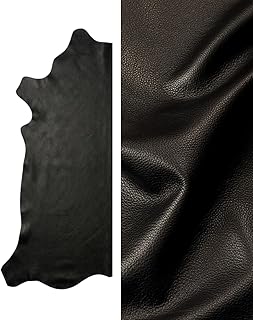
Premium Genuine Leather Natural Grain Cowhide Hides
The black 20-square-foot full side is a strong all-purpose option when you want genuine cowhide character without committing to an entire large hide. Natural grain helps soften the visibility of minor scuffs, making it appealing for frequently used sofas, reading nooks, and rugged family spaces where a little patina adds rather than detracts.
12” x 24” Genuine Full Grain Cowhide Leather Sheet
This cognac brown 1.1–1.3 mm sheet is sized for repairs and accent work rather than upholstering a complete sofa. Its warm color and full-grain surface suit replacement panels, bolster details, piping experiments, and small cushion projects where matching a worn area is more important than buying a full side.
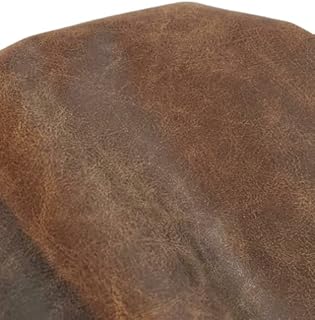
Full Hide 40–44 sq. ft. Brown Tan Cognac Cowhide
For a substantial sofa project, this large brown-tan cognac hide provides the coverage needed for broad panels and coordinated cushions. The two-tone, softly distressed appearance has an especially natural fit in lodge-style rooms, screened porches, and relaxed outdoor-living interiors where a perfectly uniform finish can look out of place.
NAT Leathers Brown Distressed 2 Tone Oily Faux Vegan Leather
This PETA-approved vegan PU material brings a weathered, oily brown look to furniture without using animal hide. The 36-by-54-inch cut is well suited to smaller upholstery projects, and its distressed finish can be forgiving around casual seating, although it should still be protected from prolonged direct sun and standing moisture.
Frequently Asked Questions
Is genuine leather better than faux leather for a sofa?
Neither is universally better. Genuine leather offers distinctive grain, repairability, and attractive aging, while faux leather delivers consistent appearance and can be a smart choice for budget-conscious projects or households seeking animal-free materials.
Can sofa leather be used on an outdoor sofa?
It is best reserved for fully sheltered areas unless the manufacturer specifically rates it for outdoor use. Even covered furniture can face humidity, ultraviolet light, and temperature changes, so use cushions with proper covers and avoid leaving leather exposed to rain.
How much leather do I need to reupholster a sofa?
Requirements vary with sofa dimensions, cushion layout, seam design, and the direction of the grain. Measure each component separately, include generous allowances for wrapping and trimming, and buy extra if the hide has prominent markings that must be positioned selectively.
How should new leather sofa upholstery be maintained?
Vacuum dust with a soft brush, wipe spills promptly with a clean lightly damp cloth, and follow the specific care instructions for the finish. Keep leather away from heaters and intense sunlight, and test any conditioner or cleaner on a hidden area first.
Final Thoughts
For a full sofa transformation, the Full Hide Brown Tan Cognac Cowhide offers the coverage and relaxed character most rustic spaces need. The Premium Genuine Leather Natural Grain Cowhide is a versatile middle-ground choice, while the NAT Leathers distressed vegan PU is the standout for an animal-free, easygoing furniture makeover.