Key takeaways
- Clean spills promptly by blotting with a dry, absorbent cloth; do not rub or spread the liquid.
- Use white cloths so dye transfer from colored towels cannot be mistaken for leather damage.
- Vacuum weekly in high-use homes and complete a gentle leather clean every few months, or according to the manufacturer’s guidance.
- Keep newspapers, denim, and damp blankets from sitting on pale leather for long periods, as dyes and moisture can transfer.
What's inside
A leather sofa is built for everyday life, but outdoor-living habits can make it work harder than you expect. Bright windows, tracked-in grit, sunscreen, pet oils, damp clothing, and seasonal temperature changes all affect leather’s finish. Regular cleaning removes abrasive soil before it works into the surface, while careful conditioning helps prevent dryness, stiffness, and premature cracking.
This guide explains the best way to clean a leather sofa in 2026, from identifying the finish and testing a product to wiping, conditioning, and drying the sofa safely. It also covers which tools are worth buying, how to handle common marks, and when cleaning at home is the wrong approach.
As an Amazon Associate we earn from qualifying purchases.




Recommended picks
For a straightforward routine, Weiman Leather Cleaner & Conditioner is a convenient choice for most finished leather sofas and includes UV protection, which is useful in bright rooms, sunrooms, and covered outdoor entertaining spaces. The larger two-pack version, Weiman Leather Cleaner & Conditioner 2 Pack, suits households that clean several leather pieces or want a spare on hand.
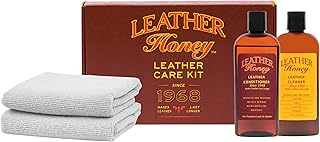
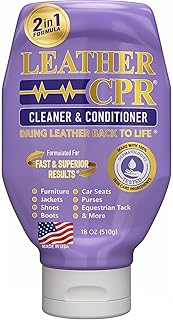
If you prefer a complete setup, the Leather Honey Complete Leather Care Kit includes cleaner, conditioner, and cloths. A Leather Cleaner and Conditioner Kit 4-Piece Set is another practical option when you need a basic furniture-cleaning kit rather than a single bottle. Leather CPR Cleaner and Conditioner can be useful for restoring softness and surface appearance, while Leather Honey Leather Conditioner is best reserved for the conditioning stage after the sofa has been cleaned and dried.
1. Identify the leather before cleaning
Start with the manufacturer’s care label, warranty information, or product documentation. Most household sofas use finished, protected leather, which generally tolerates a purpose-made leather cleaner. Aniline, semi-aniline, nubuck, suede, and heavily distressed leather require different care and may be damaged by ordinary cleaner or conditioner.
Do not assume that “leather” means every part of the sofa is leather. Some cushions have coated split leather, vinyl sides, or synthetic panels. If the care information is missing, contact the manufacturer or a professional cleaner before applying a product. Never use a general household spray, saddle soap, alcohol, bleach, or abrasive cream unless the sofa maker specifically approves it.
2. Remove dry dirt first
Vacuum the sofa before introducing moisture. Use a soft upholstery brush or a crevice attachment covered with a clean, thin cloth. Pay attention to piping, button recesses, cushion gaps, and the area beneath removable cushions, where grit can act like sandpaper as people sit down.
For outdoor rooms or homes near gardens, this dry step is especially important: pollen, soil dust, and fine sand can collect quickly when doors and windows remain open. Lift cushions if possible and vacuum both sides, but avoid dragging them across the floor.
3. Test, then clean in small sections
Choose a clean, white microfiber cloth and test the cleaner on a hidden area, such as the back edge of a cushion. Allow the test patch to dry fully. Check for color transfer, darkening, stickiness, or a change in sheen before proceeding.
Apply the cleaner to the cloth rather than soaking the sofa. Work on one small section at a time using light, overlapping strokes. Avoid vigorous scrubbing, which can strip the finish or spread body oils. Turn the cloth frequently so you are not redistributing dirt. Use a separate barely damp cloth to remove residue if the product instructions call for it, then buff gently with a dry cloth.
Keep liquid away from seams, perforations, zippers, and cushion interiors. Never saturate leather: excess moisture can leave tide marks, loosen adhesive, or encourage odor in padded areas.
4. Condition only after the surface is clean
Cleaning and conditioning are separate jobs. Once the sofa is completely dry, apply a small amount of a compatible conditioner to a fresh cloth. Leather Honey Leather Conditioner is a concentrated option, so use less than you think you need and follow the label directions. Spread a thin, even layer, avoiding heavy buildup on seating areas and textured grain.
Conditioner should absorb rather than sit visibly on top. After the recommended dwell time, buff away excess product. Over-conditioning can create a greasy surface that attracts dust, transfers onto clothing, or makes the leather feel soft in an unnatural way.
5. Dry and protect the sofa
Let the sofa dry naturally in a well-ventilated room. Do not use a hair dryer, heater, fireplace, or direct afternoon sun to speed up the process. Heat can pull moisture from leather unevenly and may cause shrinking or finish damage.
Reduce future wear by keeping the sofa out of intense direct sunlight where possible, rotating cushions, and using curtains or blinds during the brightest part of the day. In humid climates, ventilation helps prevent stale odors; in very dry heated rooms, consistent humidity is kinder to leather than repeated extremes.
Tips
- Clean spills promptly by blotting with a dry, absorbent cloth; do not rub or spread the liquid.
- Use white cloths so dye transfer from colored towels cannot be mistaken for leather damage.
- Vacuum weekly in high-use homes and complete a gentle leather clean every few months, or according to the manufacturer’s guidance.
- Keep newspapers, denim, and damp blankets from sitting on pale leather for long periods, as dyes and moisture can transfer.
Frequently Asked Questions
Can I use leather cleaner on a leather sofa without testing it?
No. Even products labeled for leather can react differently with older finishes, dyed surfaces, repairs, or unusual coatings. Test a hidden area first and wait until it is dry before cleaning the visible upholstery.
How often should I condition a leather sofa?
For most finished leather sofas, conditioning once or twice a year is sufficient. A sofa exposed to strong sunlight, dry heating, heavy use, or frequent outdoor-room airflow may need closer observation, but more product is not automatically better.
What is the best way to remove an oily mark?
Blot fresh oil without rubbing, then let the leather-care product’s instructions guide you. Avoid household degreasers and powders unless the manufacturer approves them, because they can remove color or leave a pale, dry patch.
Why does my sofa feel sticky after cleaning?
Sticky leather usually indicates excess cleaner, conditioner, or residue. Wipe gently with a clean cloth slightly dampened as directed by the product manufacturer, then allow the area to dry naturally. If the tackiness remains, stop applying products and seek professional advice.
Conclusion
The best way to clean a leather sofa is a restrained, repeatable routine: identify the finish, vacuum away grit, test the product, clean small sections with minimal moisture, and condition only when the leather is clean and dry. With suitable leather-care products, sensible sun protection, and regular light maintenance, your sofa can stay comfortable and attractive through busy indoor seasons and open-air living alike.