Key takeaways
- Vacuum before using detergent; wetting loose dirt can turn it into a muddy film.
- Use distilled water when your tap water is hard and leaves pale mineral marks.
- Photograph or label cushion positions before removing them, especially on sectional sofas.
- Clean the machine’s hose, nozzle, filter, and recovery tank after every use to prevent stale odors.
What's inside
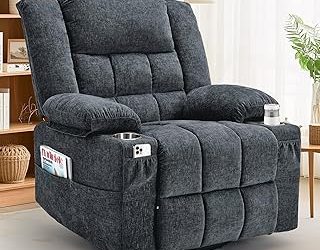
A sofa is one of the hardest-working pieces of furniture in a home—and, in an outdoor-living household, it may share space with muddy shoes, sandy feet, damp dogs, sunscreen, and open windows. Regular cleaning keeps upholstery looking better, reduces trapped odors, and helps prevent everyday grit from wearing down the fibers. The right method depends less on brute force than on identifying the fabric, using modest moisture, and allowing the cushion to dry completely.
This guide explains how to clean a fabric sofa safely, when to use a portable extractor, and how to deal with stains without spreading them. You will also learn which features matter when buying upholstery-cleaning equipment, including suction, tank design, tool selection, and drying practicality for sofas, patio cushions, and car interiors.
As an Amazon Associate we earn from qualifying purchases.



1. Check the upholstery before cleaning
Start by looking for the manufacturer’s cleaning label, usually beneath a cushion or attached to the sofa frame. “W” generally indicates water-based cleaning is suitable, while “S” calls for a solvent-based product. “WS” permits either approach, and “X” usually means vacuuming only or professional cleaning. If the label is missing, test your chosen method on a hidden area and wait until it dries before continuing.
Be especially cautious with velvet, silk, untreated linen, leather, suede, and fabrics with loose dyes. Outdoor cushions may be made from solution-dyed acrylic or polyester, but that does not automatically make them machine-washable. Check the care instructions, remove covers only if the label allows it, and never soak foam-filled cushions unless the manufacturer specifically recommends doing so.
2. Remove dry dirt first
Take off throws and cushions, then vacuum every accessible surface using an upholstery attachment. Work slowly along seams, under piping, and around the back and armrests, where grit tends to collect. For outdoor furniture, brush away sand and leaf fragments before bringing cushions indoors; abrasive particles can act like fine sandpaper when rubbed into the weave.
Use a soft brush for crumbs and pet hair that cling to textured fabric. Avoid aggressive scraping, which can pull loops or roughen a coated surface. If the sofa has removable covers, read the label before washing them. A cover that shrinks slightly may no longer fit the cushion properly.
3. Treat stains without over-wetting
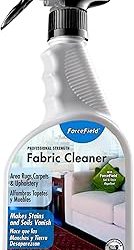
Blot fresh spills with a clean, absorbent cloth. Do not rub outward from the center, as that can enlarge the mark and drive liquid deeper into the padding. For a suitable water-cleanable fabric, apply a small amount of upholstery detergent to the cloth rather than flooding the sofa. Work from the outside of the stain toward the middle, changing to a clean section of cloth as soil transfers.
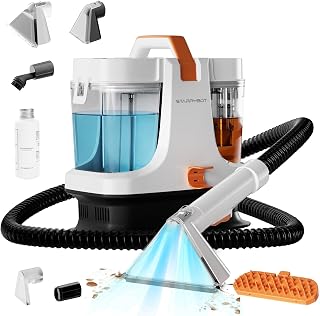
Portable machines are useful when a sofa needs more than surface treatment. Options such as the Carpet Cleaner Machine Upholstery portable shampooer, WECLEAN C1 Portable Extractor, and Starrybot Upholstery Cleaner Machine are designed for spot cleaning and small furniture jobs. The Uwant 18Kpa Upholstery Cleaner adds multiple brush heads, which can be convenient for fabric furniture, vehicles, and pet-related messes. Regardless of the model, use the recommended solution and make a slow extraction pass rather than repeatedly soaking the same area.
4. Choose equipment for control and drying
For occasional spills, prioritize a compact machine that is easy to lift, empty, and store. Strong suction helps remove cleaning liquid, but suction alone does not guarantee a better result; a well-shaped upholstery nozzle and controlled water flow matter just as much. Transparent recovery tanks are helpful because they show whether dirty water is still being collected.
For homes with pets or frequent entertaining, the Shark StainStriker Portable Carpet/Upholstery Cleaner includes several targeted tools for upholstery, crevices, and messes. The Uwant Carpet Cleaner Machine 18Kpa, with its separate water-tank design and cleaning tools, may suit users who want one portable unit for sofas, rugs, and car interiors. Look for a narrow hand tool, manageable hose length, washable filters, and a clean-water tank that can be filled without awkward handling.
5. Extract carefully and dry completely
After applying a small amount of solution, make one slow wet pass followed by several slower suction-only passes. Keep the nozzle moving; holding it in one place can leave a visible water mark or saturate the cushion. Clean one cushion or defined section at a time so you can compare results and avoid creating uneven drying patterns.
Increase airflow immediately by opening windows when weather permits, running a fan, and standing cushions on their edges if the construction allows it. Keep the sofa out of direct, intense sun unless the manufacturer approves it, since some dyes fade quickly. Do not use the sofa until the fabric and padding feel fully dry. Persistent dampness can encourage musty odors and may damage internal materials.
Tips
- Vacuum before using detergent; wetting loose dirt can turn it into a muddy film.
- Use distilled water when your tap water is hard and leaves pale mineral marks.
- Photograph or label cushion positions before removing them, especially on sectional sofas.
- Clean the machine’s hose, nozzle, filter, and recovery tank after every use to prevent stale odors.
Frequently Asked Questions
How often should I clean a fabric sofa?
Vacuum weekly in busy homes and deep-clean when the fabric looks dull, feels tacky, or develops an odor. Sofas used near patios, gardens, or pets may need spot treatment more often, while a full extraction is usually best reserved for genuine soil buildup.
Can I use a carpet cleaner on a sofa?
Only if the machine and its manual identify upholstery as a suitable use. Use the upholstery attachment, not a wide carpet head, and follow the fabric label. Apply less liquid than you would to a carpet because sofa padding dries more slowly.
Why does my sofa smell after cleaning?
The most common cause is excess moisture trapped in the cushion or foam. Improve airflow, repeat gentle suction-only passes, and allow additional drying time. If the odor remains after the sofa is completely dry, the padding or an underlying spill may require professional attention.
What should I do if a stain will not come out?
Stop scrubbing once the fabric begins to fuzz or the color changes. Some stains permanently alter fibers, and repeated chemical treatments can make the area more noticeable. Blot away residue, let the fabric dry, and consult a professional upholstery cleaner when the sofa is valuable or the material is delicate.
Conclusion
The best way to clean a sofa is a controlled sequence: identify the fabric, vacuum thoroughly, treat stains gently, extract sparingly, and dry with plenty of airflow. A portable upholstery cleaner can make recurring spills far easier to manage, but careful technique is more important than maximum power. For outdoor-living spaces, regular dry cleaning of cushions and prompt attention to moisture will protect both comfort and fabric life.