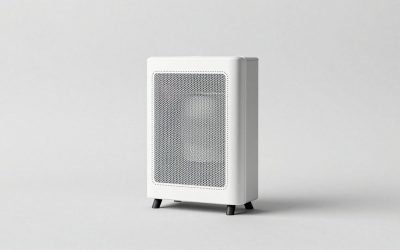
Selecting an electric wall heater involves much more than simply picking a sleek design off the shelf and mounting it to your drywall. Whether you are retrofitting a chilly bonus room, upgrading an outdated drafty zone, or mapping out supplemental heat for a renovation, understanding core specifications is vital for both comfort and safety. In 2026, modern electric wall units offer improved thermostatic controls and quieter operation, but the underlying physics of heating a space remain consistent. Choosing the right unit requires balancing your room dimensions, electrical supply capacity, and heating style against your daily lifestyle habits.
Too often, buyers fall into the trap of purchasing units based solely on upfront price or aesthetic appeal, only to find themselves dealing with tripped breakers, uneven temperatures, or exorbitant monthly electric bills. By breaking down technical requirements like wattage output, fan mechanics, and voltage compatibility, you can narrow down the market effectively. This guide cuts through the marketing noise to highlight the exact metrics that matter, ensuring you invest in a wall heater that performs reliably for years to come.
As an Amazon Associate we earn from qualifying purchases at no extra cost to you.

Understanding Wattage and Room Sizing
The golden rule of electric heating is that you need adequate wattage to overcome heat loss in a given space. As a general industry benchmark, most residential applications require approximately 10 watts of heating power per square foot of living space. However, this metric changes dramatically depending on your home’s insulation quality, window efficiency, and local climate zone. A poorly insulated room with single-pane windows will demand a significantly higher wattage output than a modern, tightly sealed room of the exact same square footage.
When reviewing product specifications, calculate your room’s total square footage and multiply by the baseline factor, but always round up to the next available standard wattage tier if your calculation falls between sizes. Choosing a unit that is slightly oversized paired with a precise electronic thermostat is usually safer than installing an undersized heater that runs continuously at maximum capacity.
Fan-Forced vs. Convection Wall Heaters
Electric wall heaters generally fall into two primary mechanical categories: fan-forced and convection. Fan-forced units utilize an internal heating element combined with an electric blower fan to actively push heated air out into the room. This design is exceptional for rapidly warming up cold spaces and distributing heat evenly across larger room layouts, though they do generate a low, continuous mechanical hum while operating.
Convection heaters, by contrast, rely on natural thermodynamics. Cool air enters the bottom of the unit, passes over internal heating fins, rises naturally, and exits through the top grills. These models operate completely silently, making them ideal for bedrooms or home offices where background noise is distracting. However, they take longer to initially raise the ambient temperature compared to their fan-forced counterparts.
Thermostat Compatibility and Control Precision
How you control your wall heater dictates both your comfort level and your monthly utility expenditure. Basic units feature a simple bi-metal dial built directly into the chassis, which offers broad temperature control but tends to allow wider swings in room temperature before cycling on or off. For superior comfort, look for units compatible with digital wall-mounted thermostats or those featuring built-in electronic programmable thermostats.
Electronic thermostats monitor ambient room temperatures with high accuracy, often maintaining a variance of less than one degree. This precise cycling prevents the room from overheating and saves energy by eliminating unnecessary power consumption. If you are replacing an existing heater, verify whether your home uses line-voltage wiring, as standard low-voltage smart thermostats cannot be wired directly to line-voltage electric heaters without a specialized relay switch.
Electrical Requirements: Voltage and Amperage
Before purchasing any electric wall heater, you must inspect your existing electrical infrastructure. Wall heaters typically operate on either 120 volts (standard household current) or 240 volts (heavy-duty current typically reserved for larger appliances). Higher-wattage heaters generally require 240V wiring to deliver sufficient power without drawing excessive amperage that could overload standard residential branch circuits.
Attempting to install a high-wattage 240V heater onto a 120V line presents a severe fire hazard and violates electrical codes. If your installation location lacks the appropriate wiring, budget for a licensed electrician to run a dedicated circuit from your main electrical panel. Never compromise on electrical safety specifications to save money on installation labor.
Safety Features You Should Never Skip
Because electric wall heaters generate intense localized heat, built-in safety mechanisms are non-negotiable. At a minimum, every unit you evaluate should feature an automatic thermal overload protector. This internal sensor cuts power to the heating element immediately if internal temperatures exceed safe operational thresholds due to blocked airflow or accidental obstruction.
Additionally, look for models featuring powder-coated steel construction, enclosed heating elements that reduce the risk of dust burning off, and surface designs that maintain safe exterior touch temperatures. Units certified by recognized testing laboratories, such as UL or ETL, give you peace of mind that the hardware has undergone rigorous thermal and electrical stress testing.
Placement and Wall Cavity Constraints
The physical dimensions of the wall can dictate your heater choices just as much as electrical specs. Most recessed wall heaters are designed to fit directly between standard wall studs spaced 16 inches apart on center. If your framing has non-standard spacing, or if you are dealing with exterior concrete walls, you may need to look at surface-mounted heaters that do not require cutting deep drywall cavities.
Carefully evaluate your furniture placement and drapery paths before committing to a wall location. Heaters must never be blocked by sofas, beds, or heavy curtains, as obstructed airflow drastically reduces efficiency and triggers safety thermal cutoffs. Ideal placement is usually on an exterior cold wall underneath a window to counteract drafts.
When to Invest in Premium Models
Basic electric wall heaters can effectively handle straightforward heating tasks, but investing in premium units yields distinct advantages in specific scenarios. Premium models often incorporate multi-stage heating outputs, whisper-quiet cross-flow blower fans, high-grade architectural grilles, and compatibility with advanced home automation ecosystems.
If you are installing heaters in primary living zones or bedrooms where acoustic comfort matters most, spending extra for a high-end unit pays dividends. Conversely, for utility rooms or workshops, a durable, mid-tier commercial-grade unit with a simple mechanical dial is often more than sufficient.
Related Guides
To explore more heating options for your home and workspace, check out our comprehensive evaluations including our top wall heater picks. For specialized outbuildings and workshops, our propane garage heater guide outlines alternative fuel options. Finally, if you need portable auxiliary warmth, take a look at our infrared cabinet heater roundup.
FAQ
Can I install an electric wall heater myself?
If you are replacing an existing unit with identical voltage and wiring, a handy DIYer can often complete the job safely. However, running new electrical circuits or modifying household wiring requires a licensed electrician to comply with local building and fire codes.
Do electric wall heaters dry out indoor air?
Electric wall heaters do not remove moisture from the air, but because they raise the ambient temperature, they lower the relative humidity levels within the room. Using a humidifier can easily restore comfortable humidity levels during heavy heating seasons.
Are wall heaters expensive to run monthly?
Operating costs depend heavily on your local electricity rates, room insulation quality, and how often the heater cycles on. Pairing your heater with a programmable electronic thermostat helps minimize unnecessary run time and keeps your monthly bills manageable.
How far away from furniture should a wall heater be?
You should maintain a minimum clearance of at least three feet in front of any electric wall heater. Keeping couches, beds, and curtains well clear ensures proper airflow and prevents dangerous overheating risks.