Key takeaways
- Use a tape measure and mark the center of each task area before ordering.
- Choose matching color temperatures throughout one room to avoid a patchwork appearance.
- Test brightness at night before permanently fixing adhesive mounts.
- Leave charging ports and switches reachable after installation.
What's inside
Under-cabinet lighting does more than brighten a work surface. It reduces shadows while chopping, adds a welcoming glow to open-plan rooms, and can make a kitchen, bar, utility area, or outdoor entertaining station easier to use after sunset. The right system also keeps cords, switches, and glare under control rather than creating another visual distraction.
This guide approaches the choice from an outdoor-living perspective: look for lighting that is simple to install, dependable around busy household spaces, and flexible enough for changing tasks. You’ll learn how to compare rechargeable bars with plug-in strip kits, choose useful brightness and color settings, position lights effectively, and avoid common installation mistakes.
As an Amazon Associate we earn from qualifying purchases.


Our Recommended Picks
Choose the Right Lighting Style
Rechargeable motion-sensor bars are the easiest option when you cannot, or do not want to, run wiring. They attach with magnets or adhesive mounts and work well in rental kitchens, pantries, workshops, and covered outdoor kitchens where an outlet is inconvenient. The MCGOR 10-inch lights are a practical example of this format, with dimming and motion activation suited to short visits and late-night tasks. The Gritin 10.2-inch set is worth considering if adjustable color temperature matters, since cooler light can help with food preparation while warmer light feels more relaxed.
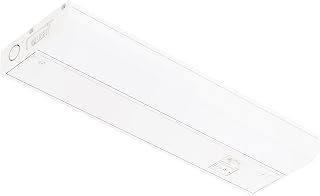
For broad, permanent illumination, a connected strip-light kit usually provides better coverage. The WOBANE Under Cabinet LED Lighting Kit uses multiple 20-inch sections and a remote, making it useful beneath a long run of cabinets, shelves, or a display counter. Plug-in or hardwired six-bar kits can create a cleaner built-in appearance, but hardwired installation should be handled by a qualified electrician.
Match Brightness to the Job
Brightness is commonly listed in lumens. Decorative or atmospheric lighting may need only a modest output, while a food-preparation surface benefits from substantially more light spread evenly across its length. More lumens are not automatically better: a very bright fixture mounted close to a glossy countertop can cause glare and eye fatigue.
Look for dimming rather than choosing solely by maximum output. A 1,500-lumen WOBANE kit, for example, can be more useful than a less flexible brighter fixture because you can lower it for evening entertaining. For a small section of counter, a rechargeable three-pack such as the 10-inch Under Cabinet Lighting Wireless set may offer enough coverage without excessive brightness.
Consider Color Temperature and Color Rendering
Color temperature affects the character of a room. Warm white, around 2700K to 3000K, complements timber, stone, and relaxed outdoor seating areas. Neutral white, near 3500K to 4000K, gives food and work surfaces a clearer appearance without feeling overly stark. If you want one light to serve several purposes, select a model with multiple color temperatures.
Color rendering is also important, especially in a kitchen. A higher CRI generally shows food, finishes, and countertop colors more naturally. Product listings do not always provide a CRI figure, so treat a clearly stated rating as a useful advantage, but also check return policies and independent user photographs when color accuracy matters.
Evaluate Power, Controls, and Installation
Rechargeable lights are convenient, but battery life depends on brightness and how often the motion sensor activates. A power indicator is helpful because it prevents a light from quietly becoming unusable. The three-color, three-pack wireless model includes a power display, while the RUIKORING 8.5-inch six-pack is a sensible option when you want several compact fixtures distributed across a larger area.
Check how each light charges, how long charging takes, and whether the charging port remains accessible after mounting. Magnetic attachment is particularly useful because you can remove a bar to charge it or reposition it seasonally. Adhesive-only mounting is less forgiving on textured, dusty, or damp surfaces; clean and dry the area first, and avoid placing indoor-rated fixtures where rain or condensation can reach them.
For a more permanent installation, confirm whether the kit supports linking, has enough cable length, and includes a suitable adapter. A six-piece, 12-inch plug-in or hardwired kit can provide strong, continuous coverage, but plan the cable route before mounting the bars so the finished result looks intentional.
Plan Coverage and Reduce Glare
Measure the cabinet run before buying. One long bar can leave dark patches at either end, while several shorter sections can be spaced to distribute light more evenly. Mount fixtures toward the front underside of the cabinet, but slightly behind the front edge so the LEDs are hidden from normal standing height. This sends light across the counter instead of directly into your eyes.
Place lights near the task zones that need them most, such as a chopping board, sink, grill-preparation shelf, or serving counter. In an outdoor setting, keep the power supply and connectors protected from weather, and choose products specifically rated for the location rather than assuming an indoor fixture is safe beneath a covered roof.
Tips
- Use a tape measure and mark the center of each task area before ordering.
- Choose matching color temperatures throughout one room to avoid a patchwork appearance.
- Test brightness at night before permanently fixing adhesive mounts.
- Leave charging ports and switches reachable after installation.
Frequently Asked Questions
Are rechargeable under-cabinet lights worth buying?
Yes, when easy installation and flexible placement are priorities. They are especially useful for renters, pantries, temporary work areas, and counters without a nearby outlet. Their main trade-off is the need to recharge them periodically.
How many lumens do I need under a kitchen cabinet?
There is no single ideal figure because cabinet depth, spacing, and surface color all affect perceived brightness. Choose dimmable lighting and aim for even coverage rather than the highest advertised output. A brighter kit is helpful for food preparation, while lower settings suit evening use.
Should under-cabinet lights be warm or cool white?
Warm white creates a comfortable, inviting atmosphere and works well with wood and warm finishes. Neutral white is often better for detailed tasks and accurate-looking work surfaces. Adjustable models provide the most flexibility.
Can under-cabinet lighting be used outdoors?
Only if the product is specifically rated for outdoor conditions and installed according to its instructions. A covered area may still experience humidity, windblown rain, and condensation. Keep adapters and connections dry, and use properly protected outdoor electrical equipment.
Conclusion
The best under-cabinet lighting balances useful brightness, comfortable color, reliable controls, and straightforward installation. Choose rechargeable magnetic bars for flexibility and quick upgrades, or select a multi-strip plug-in or hardwired kit for broad, permanent coverage. Measure first, hide the light source from direct view, and prioritize even illumination over headline brightness for a result that remains practical long after installation.