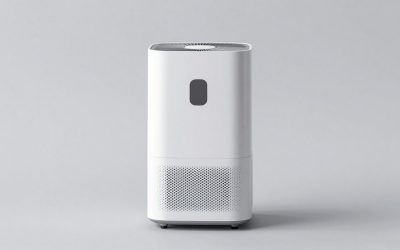
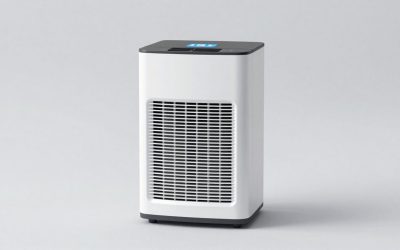
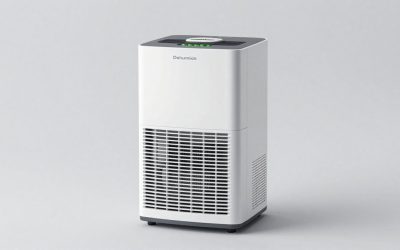
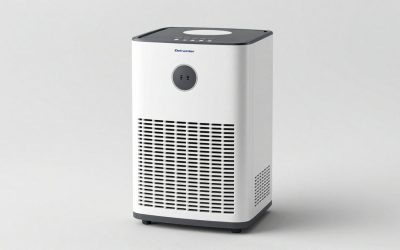
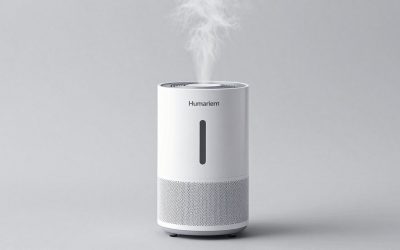
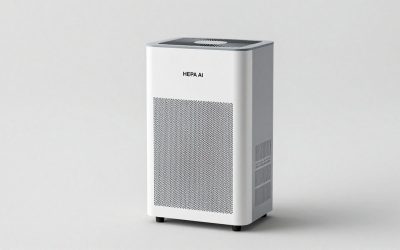
After weighing coverage claims against real-world airflow, filter cost, and noise, the VOOPNU Air Purifier (1,076 ft², White) is the best overall air purifier under $200 for a mid-size room, with the LEVOIT Vital 200S-P as a close runner-up for anyone who wants smart control and a sensor-driven auto mode.
I spend most of my working life outdoors — building decks, planting borders, running crews through pollen season and smoke season — and the thing nobody tells you is that the outdoors follows you inside. Grass clippings, cottonwood fluff, grill smoke that rolls back through the patio door, wildfire haze that settles over a whole county for a week, and a dog that has been rolling in the yard since breakfast. Mid-size rooms, roughly 200 to 400 square feet, are where this hits hardest: big enough that a tiny desktop unit can’t keep up, small enough that spending $400 on a whole-floor machine is overkill. This guide covers six purifiers that actually clear that range for under $200, what to look for in filtration and airflow, and which model fits which household.
Our top picks
 VOOPNU Air Purifiers for Home
- Effortless Operation: Simplified control panel with intuitive design…
- Compact Yet Powerful: Covers up to 1,076 ft²…
- 360° Airflow & High Efficiency Filtration: The elegantly…
 Levoit Air Purifiers for Bedroom Home Pets
- 𝗪𝗛𝗬 𝗖𝗛𝗢𝗢𝗦𝗘 𝗔𝗛𝗔𝗠 𝗩𝗘𝗥𝗜𝗙𝗜𝗗𝗘 𝗔𝗜𝗥 𝗣𝗨𝗥𝗜𝗙𝗜𝗘𝗥𝗦: AHAM (Association…
- 𝗥𝗘𝗠𝗢𝗩𝗘 𝗣𝗢𝗟𝗟𝗨𝗧𝗔𝗡𝗧𝗦 𝗘𝗩𝗘𝗥𝗬𝗪𝗛𝗘𝗥𝗘: Our Pre-Filter and Main Filter…
- 𝗛𝗘𝗟𝗣𝗦 𝗠𝗔𝗞𝗘 𝗢𝗗𝗢𝗥𝗦 𝗢𝗗𝗢𝗥𝗟𝗘𝗦𝗦: The air purifier helps…
 LEVOIT Air Purifier for Home Allergies and
- AHAM (Association of Home Appliance Manufacturers) is an…
- A powerful 56W high-torque motor and 143 CFM…
- AHAM VERIFIDE, PROVEN PERFORMANCE: AHAM VERIFIDE with a…
| Product | Key specs | |
|---|---|---|
| VOOPNU Air Purifiers for Home | Effortless Operation: Simplified control panel with intuitive design… Compact Yet Powerful: Covers up to 1,076 ft²… 360° Airflow & High Efficiency Filtration: The elegantly… | Check price |
| Levoit Air Purifiers for Bedroom Home Pets | 𝗪𝗛𝗬 𝗖𝗛𝗢𝗢𝗦𝗘 𝗔𝗛𝗔𝗠 𝗩𝗘𝗥𝗜𝗙𝗜𝗗𝗘 𝗔𝗜𝗥 𝗣𝗨𝗥𝗜𝗙𝗜𝗘𝗥𝗦: AHAM (Association… 𝗥𝗘𝗠𝗢𝗩𝗘 𝗣𝗢𝗟𝗟𝗨𝗧𝗔𝗡𝗧𝗦 𝗘𝗩𝗘𝗥𝗬𝗪𝗛𝗘𝗥𝗘: Our Pre-Filter and Main Filter… 𝗛𝗘𝗟𝗣𝗦 𝗠𝗔𝗞𝗘 𝗢𝗗𝗢𝗥𝗦 𝗢𝗗𝗢𝗥𝗟𝗘𝗦𝗦: The air purifier helps… | Check price |
| LEVOIT Air Purifier for Home Allergies and | AHAM (Association of Home Appliance Manufacturers) is an… A powerful 56W high-torque motor and 143 CFM… AHAM VERIFIDE, PROVEN PERFORMANCE: AHAM VERIFIDE with a… | Check price |
 Air Purifiers for Home Large Room up Air Purifiers for Home Large Room up | This is the 2024 latest MOOKA PR1 HEPA… This home pet air purifier is innovatively designed… This PR1 air purifiers for home large room… | Check price |
 LEVOIT Smart Air Purifier for Home Large LEVOIT Smart Air Purifier for Home Large | 𝐖𝐇𝐘 𝐂𝐇𝐎𝐎𝐒𝐄 𝐀𝐇𝐀𝐌 𝐕𝐄𝐑𝐈𝐅𝐈𝐃𝐄 𝐏𝐑𝐎𝐃𝐔𝐂𝐓𝐒: AHAM (Association of… 𝐀𝐇𝐀𝐌 𝐕𝐄𝐑𝐈𝐅𝐈𝐃𝐄 & 𝐓𝐑𝐔𝐒𝐓𝐄𝐃 𝐁𝐘 𝐄𝐗𝐏𝐄𝐑𝐓𝐒: Certified by… 𝐀𝐈𝐑 𝐏𝐔𝐑𝐈𝐅𝐈𝐄𝐑 𝐃𝐄𝐒𝐈𝐆𝐍𝐄𝐃 𝐅𝐎𝐑 𝐀𝐋𝐋𝐄𝐑𝐆𝐘 𝐆𝐑𝐎𝐔𝐏𝐒:The Vital 200S-P… | Check price |
 VOOPNU Air Purifiers for Bedroom VOOPNU Air Purifiers for Bedroom | Effortless Operation: Simplified control panel with intuitive design… Compact Yet Powerful: Covers up to 1,076 ft²… 360° Airflow & High Efficiency Filtration: The elegantly… | Check price |
 MOOKA Air Purifiers for Home Room up MOOKA Air Purifiers for Home Room up | With the high-efficiency filtration system, the air purifier… The pre-filter, true HEPA filter and high-efficiency activated… QUIET, ENERGY-SAVING & SAFE: Thanks to the new… | Check price |
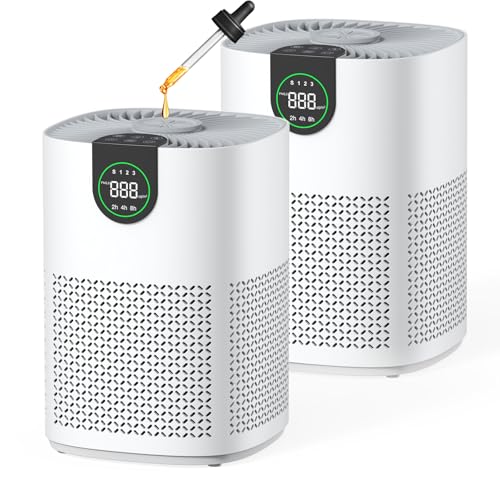 VEWIOR 2 Pack Air Purifiers with Washable VEWIOR 2 Pack Air Purifiers with Washable | 【High Valued & Efficiency Air Purifier】- VEWIOR air… 【Premium H13 Washable Filter】-The air purifier for bedroom… 【Real-Time Air Quality Display & Auto Mode】- The… | Check price |
As an Amazon Associate we earn from qualifying purchases at no extra cost to you.
Quick Comparison
| Product | Best For | Standout Feature | Rating |
|---|---|---|---|
| VOOPNU Air Purifier, White (1,076 ft²) | Overall mid-size room performance | High coverage rating for the price | See card above |
| Levoit Small Air Purifier for Bedroom & Dorm | Tight budgets and small bedrooms | Compact footprint, low running cost | See card above |
| LEVOIT Core 300 | Allergies, pets, smoke in a bedroom | H13 True HEPA with 24dB sleep mode | See card above |
| MOOKA PR1 | Pet hair and heavy dust loads | Washable pre-filter plus PM2.5 display | See card above |
| LEVOIT Vital 200S-P | Smart control and allergy season | App scheduling with air quality sensor | See card above |
How to Choose an Air Purifier Under $200 for Mid-Size Rooms
- Match coverage to two air changes, not one: Manufacturer square-footage claims usually assume a single air change per hour. For a 300 sq ft room with pollen or smoke coming in from outside, pick a unit rated for at least double your actual floor area.
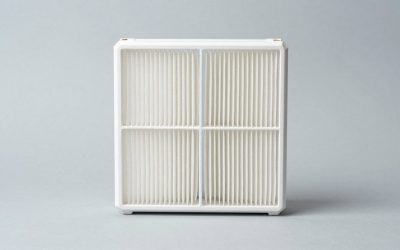
- Insist on true HEPA, not “HEPA-type”: H13 True HEPA captures 99.97% of particles at 0.3 microns — the range that covers pollen, dander, mold spores, and fine smoke particulate. Anything vaguer is a marketing label.
- Check the carbon layer if smoke or grilling is your issue: Particle filters do nothing for odor. A meaningful activated carbon stage is what handles barbecue smoke, wildfire smell, and mustiness drifting up from a basement.
- Add up filter costs for three years: A $90 purifier with $40 filters every four months costs more than a $160 unit with an annual filter. A washable pre-filter meaningfully extends the life of the HEPA behind it.
- Look at the noise floor, not the max: You will run this thing on low most nights. Sub-25dB on sleep mode is the difference between a purifier you use and one you unplug.
The Best Air Purifiers Under $200 for Mid-Size Rooms Reviewed
Best Overall: VOOPNU Air Purifier, White (1,076 ft²)
This is the pick for a standard living room, finished basement, or open bedroom where you want real headroom rather than a unit running flat-out all evening. The generous coverage rating means you can hold it on a quieter medium setting and still turn the room over several times an hour — ideal during pollen peaks or when smoke is in the air.
Best Budget: Levoit Small Air Purifier for Bedroom & Dorm
Best for renters, dorm rooms, home offices, and nurseries under about 180 square feet where the goal is clean sleeping air on a tight budget. It won’t carry a large living room, but as a second or third unit for a smaller space it’s the most sensible money in this lineup.
Best Premium: LEVOIT Core 300
The Core 300 earns its reputation on execution: genuine H13 True HEPA, a carbon layer that handles pet and smoke odor, and a 24dB sleep mode quiet enough for light sleepers. Choose it if allergies or a dog on the bed are your primary problem and the room is a bedroom rather than a great room.
Best for Pet Hair and Heavy Dust: MOOKA PR1
The washable pre-filter is the point here — if you have shedding dogs, a mudroom off the yard, or an active renovation, you can rinse the first stage instead of buying replacements every two months. The PM2.5 display also gives you honest feedback on when outdoor air is making things worse.
Best for Smart Control and Allergy Season: LEVOIT Vital 200S-P
Best for households that want the purifier to manage itself: the sensor-driven auto mode ramps up when pollen counts spike or someone opens the patio door, and app scheduling lets you pre-clean a bedroom before bedtime. It’s the most convenient option under $200 for large mid-size rooms.
Frequently Asked Questions
How many square feet can a sub-$200 purifier really handle?
Comfortably 200 to 400 square feet at a useful air-change rate. Units advertising 1,000 to 2,200 sq ft are quoting a single hourly air change; treat roughly one-third of the stated figure as the room size where the unit performs well on a medium setting.
Will an air purifier help with wildfire or grilling smoke?
Yes, for the fine particulate — a True HEPA filter captures PM2.5 effectively. The smell is a separate problem handled by activated carbon, so prioritize models with a substantial carbon stage and run them with windows closed during smoke events.
Should I run it in the bedroom or the living room?
Purifiers only clean the room they’re in. Start where you spend the most consecutive hours, which is usually the bedroom, then add a second unit for the main living space. The VOOPNU black model is a good match for a bedroom where a white appliance would stand out.
Do these work in a damp basement?
A purifier will capture mold spores and reduce musty odor, but it cannot fix the underlying moisture. Pair it with a dehumidifier holding relative humidity between 40 and 50 percent, otherwise the filter loads up and the smell returns.
Final Thoughts
For most mid-size rooms, the VOOPNU 1,076 ft² model gives you the most usable airflow per dollar, while the LEVOIT Vital 200S-P is the smarter buy if you want automatic sensor control during allergy and smoke season. If your main concern is quiet, allergy-focused filtration in a single bedroom, the LEVOIT Core 300 remains the safest choice in this price range.