Our Top Picks
The best slip resistant shoes for work combine a tested-looking rubber or rubber-like outsole, a stable fit, enough toe room, water-resistant construction, and cushioning matched to the surface and hours you spend standing.
What makes the best slip resistant shoes safer?
Slip resistance is not the same as ordinary traction. A hiking shoe may grip loose soil yet slide on a wet kitchen tile, while a smooth-looking work shoe can perform well on sealed floors if its outsole compound and tread are designed for oil and liquid contamination.

Skechers Women's Squad Sr Food Service Shoe
Picked as a relevant option in this category.
View on Amazon
IQYNAM Slip Resistant Work Shoes for Men Women Tennis Workout Gym Black 12
Picked as a relevant option in this category.
View on Amazon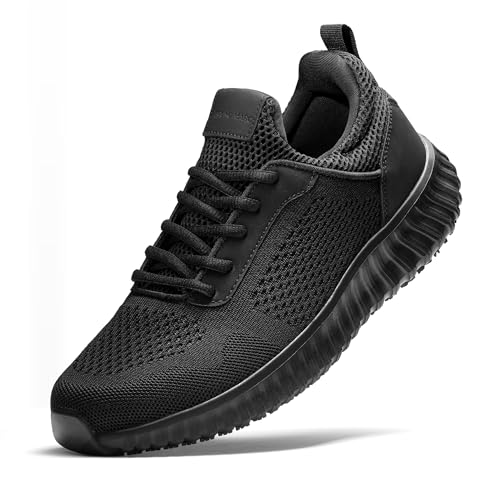
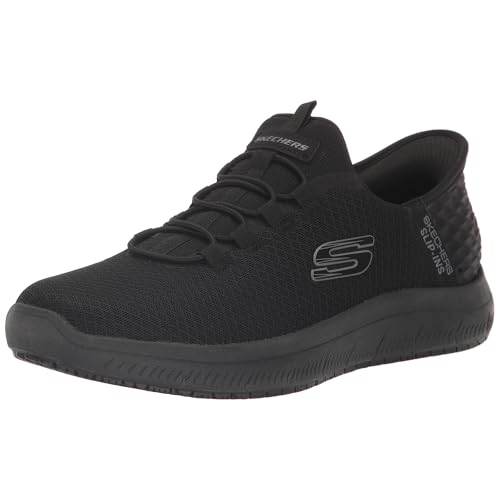
Skechers Men's Summits Colsin Sr Hands Free Slip -Ins, BBK, 11.5 Wide
Chosen because it specifies BBK and 11.5 Wide.
View on AmazonWhen comparing footwear, look for a slip-resistance claim supported by a recognized test standard, such as ASTM F2913 in the United States or EN ISO 20347 footwear classifications in applicable markets. These standards do not make a shoe impossible to slip in, but they indicate that traction has been evaluated under defined conditions. Treat marketing terms such as “non-slip” as a starting point, not a guarantee for every floor.
Outsole grip: prioritize compound and contact area
The outsole is the most important component for wet, greasy, or polished work floors. A flexible rubber compound generally provides more useful indoor grip than hard plastic. Look for:
- Fine, closely spaced tread: Better for kitchens, hospitals, and smooth floors where liquid can sit across the surface.
- Channels that open outward: These help move water, oil, or cleaning solution away from the contact patches.
- A broad heel and forefoot: More rubber touching the floor can improve stability during turns and stops.
- Moderate flexibility: The shoe should bend near the ball of the foot without folding in the middle.
- A heel edge that is not excessively rounded: A defined heel can make transitions from heel strike to full-foot contact more predictable.
Deep, widely spaced lugs are useful outdoors on mud, gravel, and uneven ground, but they can feel awkward on tile and may collect kitchen debris. For mixed indoor and outdoor work, choose a medium-depth tread with both broad contact zones and drainage grooves.
Best choices by work situation
| Work situation | Most suitable shoe type | Features to prioritize | Features to avoid |
|---|---|---|---|
| Commercial kitchen or food service | Low-profile, closed-toe work sneaker or clog with a certified slip-resistant outsole | Oil-resistant rubber, sealed upper, removable insole, easy-clean surface, secure heel | Fabric mesh, exposed foam, deep mud lugs, loose backless fit |
| Healthcare, pharmacy, or care work | Lightweight walking-style work shoe | Quiet flexible outsole, cushioning, breathable lining, rounded toe box, secure laces or fastening | Heavy boots, rigid soles, narrow pointed toes, tread that traps debris |
| Outdoor maintenance or landscaping | Water-resistant work boot or trail-inspired safety shoe | Deeper lugs, ankle support, reinforced toe and heel, waterproof membrane or treated leather | Shallow indoor tread, unprotected textile uppers, overly soft midsoles |
| Warehouse or delivery routes | Stable work sneaker or lightweight safety shoe | Firm heel counter, shock absorption, durable toe, traction for concrete and ramps | Very flexible casual soles, unstable platform soles, minimal heel structure |
Kitchen shoes: grip comes before softness
Kitchen floors can combine water, cooking oil, detergent, food particles, and long periods of standing. The best slip resistant shoes for this setting usually have a smooth, wipeable upper and a sole designed for oil-contaminated floors. A closed toe protects against spills and dropped utensils, while a secure heel prevents the shoe from shifting during quick steps.
Clogs can be convenient, but choose a style with a heel strap or shaped heel cup if your work involves stairs, rapid direction changes, or carrying hot items. A completely loose back can allow the foot to lift inside the shoe, reducing control even when the outsole has good traction.
For sizing, leave approximately 10–15 millimeters of space between the longest toe and the front of the shoe. The heel should remain seated when walking, and the widest part of the foot should align with the shoe’s widest point. Do not solve tightness by sizing up several sizes; excessive length can make the foot slide and may reduce stability.
Healthcare shoes: balance cushioning with control
Healthcare workers often walk on vinyl, tile, and polished concrete for many hours. They need cushioning, but a very soft or tall midsole can make the foot feel unstable when turning around a bed or moving quickly between rooms.
Choose a midsole with noticeable shock absorption but a stable base. A heel-to-toe drop of roughly 4–10 millimeters suits many walking patterns, although personal comfort and work requirements matter more than a single number. A removable insole is useful if you need an orthotic or want to replace compressed cushioning.
Breathable knit can reduce heat, but it is a poor choice where bodily fluids or frequent liquid spills are possible unless the shoe has a protective, cleanable layer over it. Synthetic leather, coated textile, or treated leather is easier to disinfect than open mesh. Confirm that workplace cleaning products are compatible with the upper; harsh bleach solutions can damage adhesives, finishes, and elastic components.
Outdoor work: waterproofing is not the same as water resistance
Water-resistant shoes shed light rain but may eventually absorb water through seams or untreated panels. Waterproof shoes usually add a membrane, sealed construction, or a rubberized barrier. They keep feet drier, but they can be warmer and less breathable than a simple water-resistant work sneaker.
For regular rain, wet grass, or muddy ground, consider a waterproof boot or safety shoe with a gusseted tongue, protected seams, and a collar that closes around the ankle. For occasional showers in a warm climate, treated leather or coated synthetic material may be more comfortable than a fully waterproof membrane.
Outdoor workers should also check the outsole’s lug depth. About 3–5 millimeters is a useful middle range for mixed paths, while deeper lugs can perform better in mud but feel less comfortable on indoor floors. If your job includes ladders, rocky ground, or heavy equipment, prioritize a firm heel counter and a protective toe construction rather than maximum softness.
Material and construction trade-offs
| Construction | Advantages | Limitations | Best fit |
|---|---|---|---|
| Coated synthetic upper | Light, easy to wipe, often less expensive; usually available in many widths | Can crease, crack, or retain heat; coating may wear at flex points | Kitchens and general indoor service |
| Treated leather | Durable, supportive, naturally resists light abrasion | Heavier, needs conditioning, can absorb water at seams | Warehouse and moderate outdoor work |
| Waterproof membrane with textile outer | Good rain protection and flexibility | May trap heat; membrane can lose performance if punctured | Outdoor maintenance and delivery work |
| Open mesh | Excellent ventilation and low weight | Absorbs liquids and is difficult to disinfect thoroughly | Dry healthcare or indoor walking environments only |
| Rubber outsole with molded tread | Durable contact surface and useful wet-floor traction | Can be heavier and may squeak on some floors | Food service and mixed indoor work |
Fit details that affect safety
Measure both feet late in the day, when feet are often slightly larger. Wear the socks used at work and compare the shoe while standing. The toe box should let the toes spread rather than press against one another. People with bunions, swelling, or wide forefeet may need a wide or extra-wide version, not simply a longer shoe.
- The heel should lift no more than about 6 millimeters during normal walking.
- The upper should hold the midfoot without creating numbness or pressure points.
- The toe box should have enough height for the toes to move without rubbing the roof.
- The outsole should sit flat rather than rocking from side to side.
- Try stairs and a controlled turn before wearing the shoes for a full shift.
Cleaning and replacement: preserve the grip
Even the best slip resistant shoes can become hazardous when the tread fills with grease, flour, mud, or floor finish. At the end of a shift, remove visible debris with a soft brush and wash the outsole with warm water and a mild detergent when the manufacturer permits it. Rinse away soap, because a residue can make a smooth floor more slippery.
Do not put leather or membrane shoes on a radiator or use high heat to dry them. Remove the insole, loosen the laces, and air-dry the shoes at room temperature. Rotate between two pairs when possible; allowing a midsole and lining to dry fully can extend comfort and reduce odor.
Replace shoes when the tread is visibly flattened, the outsole is separating, the heel tilts inward or outward, the upper no longer holds the foot, or cushioning remains compressed after several hours. In demanding work, the outsole may wear before the upper looks damaged. A shoe that still appears presentable can nevertheless have lost the grip and stability that made it safe.
A practical buying checklist
- Match the tread to the surface: fine and dense for indoor liquid spills, deeper and more open for outdoor soil.
- Choose an upper that can be cleaned with the products used at your workplace.
- Allow 10–15 millimeters of toe clearance without letting the heel slide.
- Choose moderate cushioning and a stable base for long shifts.
- Check whether your employer requires a safety toe, electrical hazard protection, or a specific certification.
- Break shoes in before a full shift, but do not expect painful pressure points to disappear.
The best slip resistant shoes are therefore the ones whose outsole, upper, fit, and maintenance routine match your actual work surface. A kitchen worker may need a wipeable shoe with oil-resistant fine tread, a healthcare worker may benefit from stable cushioning and cleanable materials, and an outdoor worker may need waterproof protection, ankle support, and deeper lugs. Matching those details is more important than choosing the heaviest or softest shoe on the shelf.