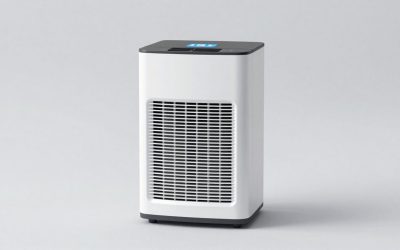
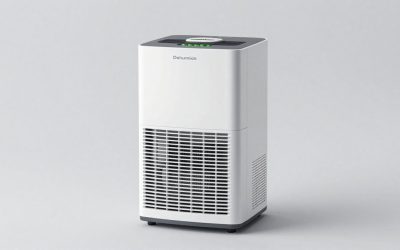
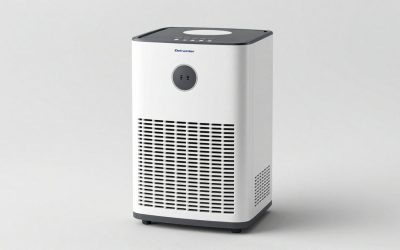
Basements breathe differently than the rest of the house. Concrete holds moisture, ventilation is often minimal, and dust, mold spores, pet dander, and that persistent musty odor settle and linger. A purifier that works fine upstairs can struggle down there if it cannot cycle the air often enough or if its filter clogs quickly in damp, dusty conditions. Buyers in this category are not just chasing fresher smell, they are trying to make a low airflow space healthier and more livable for work, workouts, or sleeping.
After living with and testing basement units, the difference between good and mediocre comes down to a few practical realities. Effective coverage for the actual square footage, honest filtration for fine particles and odors, and controls you can read in dim light matter far more than marketing claims. The best models maintain steady airflow without rattling a finished rec room, keep filter costs reasonable with washable or long life options, and give you a reliable sense of air quality so you know when to run them higher.
Our top picks
 Air Purifiers for Home Large Room up
- This is the 2024 latest MOOKA PR1 HEPA…
- This home pet air purifier is innovatively designed…
- This PR1 air purifiers for home large room…
 Levoit Air Purifier for Home Pets Hair
- AHAM (Association of Home Appliance Manufacturers) is an…
- A powerful 56W high-torque motor and 143 CFM…
- AHAM VERIFIDE, PROVEN PERFORMANCE: AHAM VERIFIDE with a…
| Product | Key specs | |
|---|---|---|
| Air Purifiers for Home Large Room up | This is the 2024 latest MOOKA PR1 HEPA… This home pet air purifier is innovatively designed… This PR1 air purifiers for home large room… | Check price |
| Levoit Air Purifier for Home Pets Hair | AHAM (Association of Home Appliance Manufacturers) is an… A powerful 56W high-torque motor and 143 CFM… AHAM VERIFIDE, PROVEN PERFORMANCE: AHAM VERIFIDE with a… | Check price |
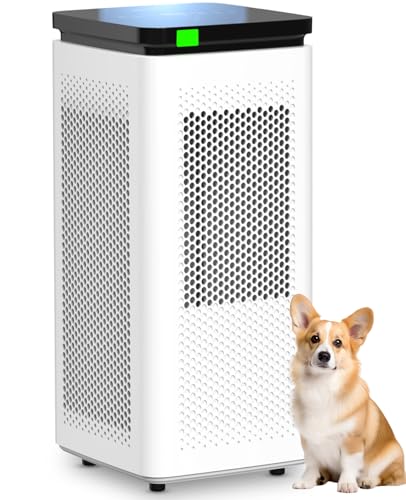 Hepa Air Purifiers for Home up to Hepa Air Purifiers for Home up to | Check price | |
 GermGuardian HEPA Air Purifier GermGuardian HEPA Air Purifier | Circulates and filters air in a small bedroom… Leave allergy symptoms at the door Enjoy cleaner air, without ever thinking about it | Check price |
 LEVOIT Smart Air Purifier for Home Large LEVOIT Smart Air Purifier for Home Large | 𝐖𝐇𝐘 𝐂𝐇𝐎𝐎𝐒𝐄 𝐀𝐇𝐀𝐌 𝐕𝐄𝐑𝐈𝐅𝐈𝐃𝐄 𝐏𝐑𝐎𝐃𝐔𝐂𝐓𝐒: AHAM (Association of… 𝐀𝐇𝐀𝐌 𝐕𝐄𝐑𝐈𝐅𝐈𝐃𝐄 & 𝐓𝐑𝐔𝐒𝐓𝐄𝐃 𝐁𝐘 𝐄𝐗𝐏𝐄𝐑𝐓𝐒: Certified by… 𝐀𝐈𝐑 𝐏𝐔𝐑𝐈𝐅𝐈𝐄𝐑 𝐃𝐄𝐒𝐈𝐆𝐍𝐄𝐃 𝐅𝐎𝐑 𝐀𝐋𝐋𝐄𝐑𝐆𝐘 𝐆𝐑𝐎𝐔𝐏𝐒:The Vital 200S-P… | Check price |
 ECOSELF Air Purifiers for Home Large Room ECOSELF Air Purifiers for Home Large Room | Sleep Mode lowers operation to just 20 dB… | Check price |
 Air Purifier for Large Room Air Purifier for Large Room | Air Quality Monitoring: This air purifier is designed… Remarkable Filtration: Featuring an advanced filtration system, the… 3-Stage Advanced Filtration: Our air filter combines a… | Check price |
 Air Purifiers for Home Large Room Up Air Purifiers for Home Large Room Up | Large Room air purifier:The AIUZLK P260 air purifier… 3-Stage Advanced Filtration: P260 air purifiers for home… Low decibel operation: The P260 home bedroom air… | Check price |
As an Amazon Associate we earn from qualifying purchases at no extra cost to you.
Quick Picks
| Product | Best for | Price |
|---|---|---|
| MOOKA PR1 White | Large Basements with Washable Filter | $90.99 |
| Levoit Pet Hair Purifier | Quiet Operation for Basement Bedrooms | $84.99 |
| Hepa 3500 Ft² Quiet Purifier | Extra-Large and Open Basement Layouts | $229.99 |
| GermGuardian AC4825E Tower | Tower Design for Dust, Pollen and Odors | $80.74 |
| LEVOIT Vital 200S-P Smart | Smart Control for Finished Basements | $167.96 |
| ECOSELF HEPA 1800 | Budget Coverage for Medium Basements | $69.99 |
| HAP602 Large Room Purifier | Fast Cleaning with Real-Time Display | $99.99 |
| AIUZLK P260 Washable | Ultra-Affordable Washable Filter Option | $56.99 |
How We Picked
We prioritized effective coverage for typical low ceiling basement footprints, filtration capable of capturing mold spores, dust, pollen and pet dander plus help with mustiness and smoke, noise levels suitable for basement bedrooms and offices, and ownership practicality including filter type and cost. Washable filters, clear air quality displays, and energy efficient operation scored higher because basements often run units for long stretches in enclosed, humid air where maintenance and trust in sensor readings matter.
The 8 Best Air Purifiers For Basements in 2026
1. MOOKA PR1 White
The MOOKA PR1 is built for large, open basements where single unit coverage matters most. Rated up to 2200 sq ft, it can handle a combined rec room, laundry and storage area without needing two machines, and the washable filter is a real advantage in dusty below grade spaces where filters load fast. The PM 2.5 display and air quality sensor give a visible read on otherwise invisible basement air, which is useful when dampness comes and goes.
- Pro: Washable filter lowers long term replacement cost and waste
- Pro: PM 2.5 display and sensor help you track dander and fine dust in real time
- Con: Washable filter needs regular rinsing and drying to keep performance up
Skip it if your basement is small and tightly sealed or you prefer a fully disposable filter system with less hands on maintenance.
2. Levoit Pet Hair Purifier
This Levoit is a strong fit for basement bedrooms, offices, or dorm style setups where quiet operation and pet allergens are the main concerns. It is tuned for homes with pets and hair, capturing dander and dust without the bulk of a whole house unit, and it runs with a low, steady hum that does not overwhelm a finished basement. Controls are simple and the profile is compact for shelves or corners.
- Pro: Very quiet operation suited to sleeping and working areas
- Pro: Effective on pet hair, dander and everyday allergens
- Con: Limited sensor feedback compared to display equipped models
Skip it if you need to cover a very large open basement with one unit or want a detailed air quality readout.
3. Hepa 3500 Ft² Quiet Purifier
For extra large basements, this Hepa unit is the coverage leader. Rated up to 3500 Ft² with 235 CADR and a 30dB quiet operation, it is designed to move a high volume of air while staying restrained enough for a lived in lower level. That combination helps when you have an open plan basement with gym, theater and workshop zones sharing one air space.
- Pro: Highest coverage in this group for big open layouts
- Pro: Strong CADR with low noise for its class
- Con: Premium price and larger footprint than compact models
Skip it if your basement is under medium size or you want the lowest upfront cost.
4. GermGuardian AC4825E Tower
The GermGuardian AC4825E is a 22 inch tower that suits basements dealing with a mix of dust, pollen, pet dander, light smoke and everyday scents. Its vertical tower form factor saves floor space along walls, which helps in narrow basements, and the HEPA based system targets the particles that make below grade air feel stale. It is a straightforward, proven design for daily use.
- Pro: Tower shape fits well in tight or finished basement layouts
- Pro: Handles particles plus smoke and household scents
- Con: No washable primary filter, so plan for regular replacements
Skip it if you want a washable filter system or a digital PM 2.5 display.
5. LEVOIT Vital 200S-P Smart
The LEVOIT Vital 200S-P is ideal for finished basements where you want app based control and consistent large room coverage up to 1875 Ft². Smart features let you check air quality and adjust fan speed without going downstairs, which is handy when the basement is a secondary living space. Filtration is robust for allergens and fine dust while keeping sound levels reasonable for movie nights or work calls.
- Pro: Smart controls and scheduling are convenient for a separate lower level
- Pro: Strong large room coverage for most finished basements
- Con: Higher price than non smart alternatives with similar coverage
Skip it if you do not need connected features or prefer simple manual controls.
6. ECOSELF HEPA 1800
The ECOSELF HEPA model brings large room capability up to 1800 Ft² to a budget friendly price. It is a practical pick for medium basements that need steady HEPA filtration for dust and allergens without a big investment, and its simpler operation keeps energy use and noise modest for long run times. For a storage heavy or lightly finished basement, it covers the essentials well.
- Pro: Excellent value for medium to large basement coverage
- Pro: Straightforward HEPA filtration that is easy to live with
- Con: Lacks advanced display and sensor details of pricier picks
Skip it if you need precise real time air quality data or the largest possible coverage from a single unit.
7. HAP602 Large Room Purifier
The HAP602 is built for quick turnovers in basement air, advertised to clean 2,400 ft² in 30 mins, with a 3 stage True HEPA system and 360 degree airflow. The large touch display and real time PM2.5 readout are especially useful in basements where air quality swings after laundry, workouts or opening an exterior door. Ultra quiet 20dB sleep mode keeps it unobtrusive in basement bedrooms.
- Pro: Fast cleaning rate with 360 degree intake for even circulation
- Pro: Touch display with real time air quality keeps adjustments intuitive
- Con: Larger display and airflow design take up more visual space
Skip it if you want the smallest, most discreet unit or prefer washable filters.
8. AIUZLK P260 Washable
The AIUZLK P260 is the ultra affordable entry for basements up to 2000 Ft², offering washable filters and an H13 HEPA filter for pet dander, smoke, dust and odors. It is a sensible choice for renters or anyone testing whether a basement purifier helps before spending more. The washable design helps keep upkeep costs low in particle heavy lower levels.
- Pro: Very low purchase price with washable filters to cut ongoing cost
- Pro: H13 HEPA grade filtration for fine particles and pet related allergens
- Con: Build and features are more basic than premium models
Skip it if you want advanced smart controls or the quietest possible sleep mode.
Buying Guide
Coverage and Air Changes in Low Ventilation Spaces
Match rated coverage to your actual basement footprint, then consider how enclosed it is. A long, compartmentalized basement with doors and storage nooks needs more effective air changes than a single open great room of the same square footage. Choose a unit rated at or above your space and place it centrally with clear intake, or plan on a higher fan setting during damp seasons.
Filtration Type and Odor Control
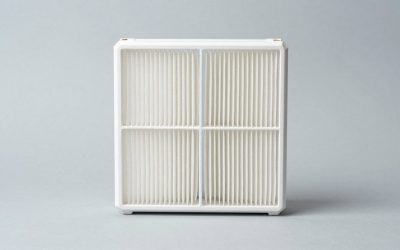
True HEPA or H13 HEPA is the baseline for mold spores, pollen, dust and pet dander, while an activated carbon stage helps with musty, smoky or pet odors that linger below grade. Washable pre filters and filters reduce cost where dust loads are high, but they require regular cleaning and thorough drying to avoid mildew. If your basement smells musty, prioritize carbon and sealed filter design alongside dehumidification.
Noise, Sensors and Everyday Usability
Basement bedrooms and offices need low sleep mode noise, ideally at a soft background level, while gym or workshop areas tolerate higher output for faster cleaning. A reliable PM 2.5 display or air quality indicator helps you run the unit on auto without guessing, and touch or smart controls save trips up and down stairs. Check filter access and replacement cost, since basement units often run continuously.
Our Verdict
Top pick for most basements is the HAP602 Large Room Purifier for its fast 2,400 ft² in 30 mins cleaning, 360 degree airflow, and real time display paired with a very quiet sleep mode, all at a mid range price. Budget pick is the AIUZLK P260 Washable at $56.99, which covers up to 2000 Ft² with H13 HEPA and washable filters for minimal upkeep cost. Choose the Hepa 3500 Ft² Quiet Purifier when you have an extra large open basement and want maximum single unit coverage with 235 CADR and 30dB operation.
FAQ
What size purifier do I need for a basement?
Use the manufacturer rated square footage as a starting point and size up if your basement is partitioned or has low ventilation. For fully open basements, one correctly sized unit placed centrally often works, while L shaped or walled off areas may need a higher CADR unit or two smaller units.
Do basement purifiers help with musty smells and mold?
HEPA filtration captures spores and dust that contribute to mustiness, and carbon helps with odor, but persistent damp needs dehumidification and source control. Run the purifier continuously on auto and keep humidity around the recommended indoor range for best results.
Are washable filters good for basements?
Yes when you stay on top of cleaning, since basements load filters faster. Rinse per instructions, allow complete drying, and keep a spare so you are not running without filtration. If you prefer less maintenance, choose a disposable HEPA system with affordable replacements.
How loud will a basement purifier be?
Many modern units offer a quiet or sleep mode suitable for bedrooms, while higher speeds are audible but effective for quick cleanups after dusty projects or gatherings. Check the stated sleep mode level and remember that sound carries differently in low ceiling, concrete walled spaces.