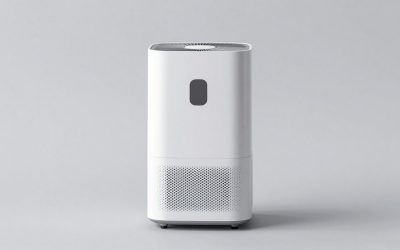
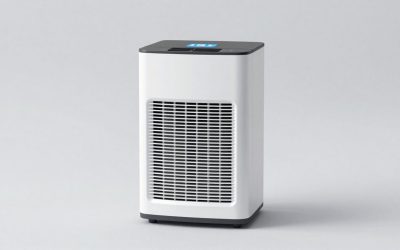
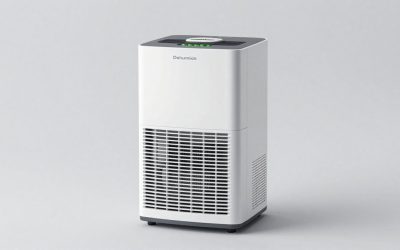
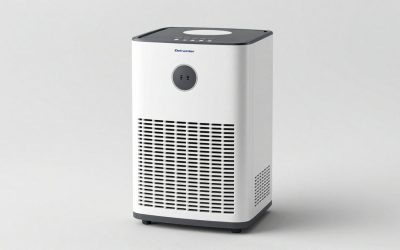
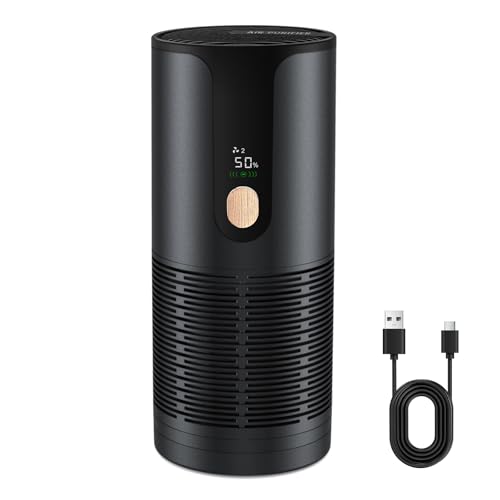
The Aucleia Portable Car Air Purifier with H13 HEPA Filter is the best overall choice for commuters and weekend adventurers, with the Pure Enrichment PureZone Mini as the runner-up for anyone who wants one compact unit that moves from cup holder to nightstand.
Anyone who spends real time outdoors knows the cabin of a vehicle is the dirtiest “room” they own. It is a sealed box that collects trail dust, pollen from gravel-road shoulders, wildfire haze pulled through the fresh-air intake, wet-dog odor after a lake day, and off-gassing from vinyl and adhesives baked by afternoon sun. Cabin filters catch some particulate on the way in, but they do nothing about what you track back in on your boots, gear bags, and coolers. This guide covers the portable purifiers that actually help in that environment: what filtration media matters, how much airflow is realistic in a two-cubic-meter space, which units survive heat and vibration, and which pick suits your particular commute.
Our top picks


As an Amazon Associate we earn from qualifying purchases at no extra cost to you.
Quick Comparison
| Product | Best For | Standout Feature | Rating |
|---|---|---|---|
| Aucleia Portable Car Air Purifier | Daily drivers dealing with smoke and odor | True H13 HEPA plus carbon in a cup-holder body | See card above |
| Pure Enrichment PureZone Mini | Budget buyers who want car and desk use | USB-C powered, genuinely quiet | See card above |
| Car Portable Air Purifier, H13 True HEPA | Exhaust fumes and VOCs in stop-and-go traffic | Heavier carbon load for gaseous pollutants | See card above |
| ALIENONE AP-C2-D | RV, camper, and truck-cab living | 360° airflow in a compact housing | See card above |
| Homedics Personal Air Purifier | Rideshare drivers and shared vehicles | HEPA-type media with activated carbon | See card above |
How to Choose an Air Purifier for Cars and Daily Commuters
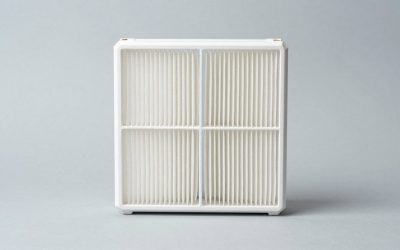
- Filter grade: Insist on true H13 HEPA if allergies, wildfire smoke, or diesel soot are your problem. “HEPA-type” media is a reasonable step down for general dust and odor, but it is not equivalent.
- Carbon capacity: Particulate filters do nothing for exhaust fumes, VOCs off hot plastics, or lingering smoke. Look for a meaningful activated carbon layer, not a thin gray mesh.
- Airflow versus noise: A car cabin is small, so modest CFM is fine. What matters is whether the top fan speed is tolerable next to your ear at highway speed with windows up.
- Mounting and power: Cup-holder and headrest designs stay put on forest-service roads; anything that tips is a distraction. Check whether it runs on USB-C, 12V, or an internal battery.
- Filter cost and access: Replacements typically run every three to six months in a vehicle, faster on dusty routes. Confirm filters are cheap and easy to source before you commit.
The Best Air Purifiers for Cars and Daily Commuters Reviewed
Best Overall: Aucleia Portable Car Air Purifier with H13 HEPA
The pairing of genuine H13 media with a carbon stage makes this the most complete answer for smoke, pollen, and stale odor in a small cabin. It is the pick for the commuter whose car doubles as a gear hauler and who wants one device that handles both particles and smell.
Best Budget: Pure Enrichment PureZone Mini
Small, quiet, USB-powered, and priced so you can buy two without thinking hard about it. Best for a light commuter or anyone who wants to run it in the car by day and beside the bed at night.
Best Premium: Car Portable Air Purifier with H13 True HEPA for Exhaust Fumes and VOCs
The most serious option for gaseous pollutants, which is what you are breathing in bumper-to-bumper traffic behind older vehicles. Worth the spend for long urban commutes, tunnel routes, or drivers sensitive to fuel and solvent odors.
Best for RV and Camper Use: ALIENONE AP-C2-D
The 360° intake means it does not need to face you to work, which suits a camper bunk, truck sleeper, or the small table in a travel trailer. Choose it if your vehicle is also occasionally your bedroom.
Best for Shared and Rideshare Vehicles: Homedics Personal Air Purifier
Unobtrusive, inexpensive to maintain, and effective on the everyday mix of odor and dust that accumulates with multiple passengers. A sensible pick for rideshare drivers, carpools, and family vehicles.
Frequently Asked Questions
Do car air purifiers actually work?
Yes, within limits. In a sealed cabin of roughly 100 cubic feet, even a modest fan can cycle the air several times per hour, which measurably reduces fine particulate and odor. They cannot compensate for open windows or a clogged cabin filter.
Should I avoid ionizers and ozone generators?
Avoid ozone generators entirely; ozone is a respiratory irritant and unsuitable for an enclosed space you occupy. Passive ionizers are less concerning but contribute little compared with mechanical HEPA filtration.
How often do filters need replacing in a vehicle?
Plan on three to six months with daily driving. Dusty roads, smoke season, and pets shorten that considerably, so inspect the filter surface monthly rather than trusting the calendar.
Will one help with wildfire smoke on the road?
A true H13 unit will reduce PM2.5 in the cabin, but the bigger win is setting your climate system to recirculate so you are not continuously pulling smoke inside. Use both together.
Final Thoughts
For most drivers, the Aucleia H13 unit is the right balance of real filtration and practical size, while the PureZone Mini is the value pick that earns its keep in the car and at home. If your commute means idling in traffic or hauling gear through smoke season, the dedicated H13 exhaust-and-VOC model is the upgrade worth paying for.