Key takeaways
- Brush roll control: A spinning brush is essential for pulling grit out of dense cut pile, but it shreds looped jute and sisal. Look for an on/off switch or a genuine bare-floor mode so one machine covers both.
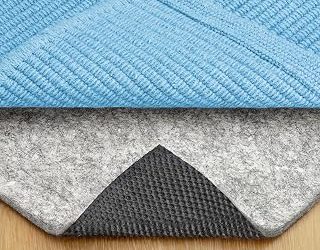
- Suction without drag: Rugs over pads lift and bunch. Sealed suction with adjustable height beats raw wattage here, since an overly aggressive nozzle will suck the rug up instead of cleaning through it.
- Weight and reach: If you are moving between a deck, a screened porch, and an interior room, anything over about 12 pounds becomes a chore. Long auto-rewind cords or cordless runtime matter more than they do in a single-room setup.
- Filtration you can rinse: Outdoor debris means pollen, fine dust, and dander. Washable filters keep performance steady through allergy season instead of degrading after a few weeks.
- Spot and wet capability: Rain-splashed mud and drink spills need extraction, not agitation. A dedicated spot cleaner or wet-dry unit rounds out a dry vacuum rather than replacing it.
What's inside
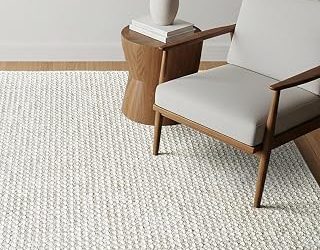
Indoor-outdoor rugs have quietly become the workhorses of the modern home. They anchor covered patios, absorb traffic in sunrooms, and increasingly show up in kitchens and entryways because polypropylene flatweaves shrug off spills that would ruin wool. The catch is what they collect: silica grit tracked in from pavers, pollen film in spring, mulch fragments, and pet hair woven into tight loops. That debris does more than look bad. Sand acts like sandpaper between fibers, dulling color and fraying edges long before the rug should retire.
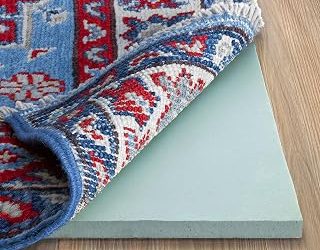
Most vacuums are engineered for wall-to-wall carpet, not for a low-pile rug floating over a cushioned pad on a concrete slab or a sisal runner near a slider. This guide looks at the machines that handle rugs specifically, covering brush roll behavior, suction-only options for delicate weaves, wet-dry cleanup for outdoor messes, and spot treatment for the stains that follow patio season.
As an Amazon Associate we earn from qualifying purchases.


How to Choose an Area Rug Vacuum (2026)
- Brush roll control: A spinning brush is essential for pulling grit out of dense cut pile, but it shreds looped jute and sisal. Look for an on/off switch or a genuine bare-floor mode so one machine covers both.
- Suction without drag: Rugs over pads lift and bunch. Sealed suction with adjustable height beats raw wattage here, since an overly aggressive nozzle will suck the rug up instead of cleaning through it.
- Weight and reach: If you are moving between a deck, a screened porch, and an interior room, anything over about 12 pounds becomes a chore. Long auto-rewind cords or cordless runtime matter more than they do in a single-room setup.
- Filtration you can rinse: Outdoor debris means pollen, fine dust, and dander. Washable filters keep performance steady through allergy season instead of degrading after a few weeks.
- Spot and wet capability: Rain-splashed mud and drink spills need extraction, not agitation. A dedicated spot cleaner or wet-dry unit rounds out a dry vacuum rather than replacing it.
The Best Area Rug Vacuums of 2026, Reviewed
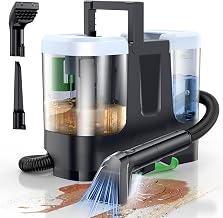
roborock F25 GT Cordless Wet Dry Vacuum and Mop
The strongest pick for households where rugs sit alongside tile, stone, or sealed concrete, since 20,000Pa of suction plus hot-water self-cleaning handles the muddy shoulder-season mess that dry vacuums only spread around. Keep it to hard flooring and flatweave synthetics, and rely on the lie-flat design to reach under low patio furniture.
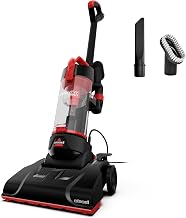
Hoover WindTunnel Cord Rewind Pro
Five-position height adjustment is the feature that earns this a spot, letting you drop low for tight flatweaves and rise for shag without stalling the motor. The 25-foot auto-rewind cord is a practical win when you are cleaning a porch and the nearest outlet is inside.
Eureka PowerSpeed NEU182B Upright
A straightforward bagless upright with enough agitation to lift embedded grit from dense pile, which is exactly the failure point on rugs near exterior doors. Best treated as your primary carpet-and-rug machine rather than a delicate-fiber option.
Shark StainStriker Portable Spot Cleaner
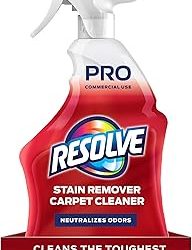
Not a full-size vacuum, and it should not be your only one. As a companion, though, the 3.5-inch stain tool and crevice tool make quick work of red wine, sunscreen, and pet accidents on rugs and cushions, and the self-clean cycle means the hose does not sour between uses.
Eureka Airspeed NEU10AE5 Ultra-Lightweight
At 7.7 pounds it is the easiest full-size upright here to carry across a threshold or up deck stairs, with a washable filter and crevice tool for railings and edges. Suction is modest compared to the PowerSpeed, so it suits low-pile rugs and frequent light passes better than deep restorative cleaning.
Frequently Asked Questions
Can I use a beater-bar vacuum on a natural-fiber rug?
Not safely on looped weaves like sisal, seagrass, or jute. Switch the brush roll off and use suction only, or reach for a handheld such as the Eureka Blaze for fringe and edges.
How often should outdoor rugs be vacuumed?
Weekly during active seasons, more often under trees or near a pool. The goal is removing abrasive grit before foot traffic grinds it into the base of the fibers.
Do I need a wet-dry vacuum for a covered patio?
Only if you get real moisture and mud. For dry pollen and leaf litter, a good upright with strong filtration is more practical and easier to store.
Should I vacuum both sides of a rug?
Yes, a few times a year. Flipping it and vacuuming the back drives trapped sand out of the weave and onto the floor, where it is easy to pick up.
Final Thoughts
For mixed indoor-outdoor flooring, the roborock F25 GT covers the widest range of messes, while the Hoover WindTunnel Cord Rewind Pro is the most versatile dry vacuum thanks to its height adjustment and long cord. Pair either with the Shark StainStriker and you have a setup that keeps rugs looking sharp through a full season of open doors and heavy traffic.