
Key takeaways
- Measure in three dimensions. Width and depth are obvious; ceiling clearance is what ruins overhead pressing and tall treadmill decks. Add two feet of clearance behind any running surface.
- Match resistance to your goal. Barbells and plate-loaded machines drive raw strength. Cables and rod systems favor controlled volume and shoulder-friendly angles. Air and magnetic resistance serve conditioning.
- Check the warranty tiers separately. Frames often carry lifetime coverage while motors, electronics, and upholstery get far less. The short term is the one that predicts your repair bill.
- Decide whether you want a subscription. Guided-class ecosystems keep some people consistent and irritate others. If you’d rather follow your own program, buy hardware that works fully offline.
- Plan the floor and the power. Rubber mats protect subfloors and cut noise for downstairs neighbors. Motorized equipment prefers a dedicated outlet rather than a shared extension cord.
What's inside
The moment a home gym stops being a fantasy is the moment you measure the floor. A treadmill wants roughly 7 by 3 feet plus a safety margin behind it. A rower needs about 9 feet of length but folds or stands upright when you’re done. A power rack claims a permanent 4-by-6-foot island and demands ceiling height you should verify with a tape measure, not a guess. Knowing those numbers first turns an overwhelming category into a short list.
The second filter is honesty about what you’ll actually repeat. A machine that gets used four mornings a week beats a more impressive one that becomes a coat rack by the second month. The picks below span cardio, strength, and hybrid trainers, chosen because they hold resale value, tolerate years of use, and don’t require a dedicated basement to justify themselves. Prices and availability shift, so check current listings before committing.
As an Amazon Associate we earn from qualifying purchases at no extra cost to you. Product prices and availability are accurate as of the date shown and are subject to change.


Quick Comparison
| Machine | Best For | Resistance Type | Space Demand | Storage |
|---|---|---|---|---|
| Concept2 RowErg | Full-body conditioning | Air flywheel | Long and narrow | Separates, stands upright |
| Force USA G3 Trainer | All-in-one strength | Weight stack + plates | Moderate, fixed | Permanent footprint |
| NordicTrack Commercial 1750 | Running and hiking sims | Motorized belt | Large | Folding deck |
| REP PR-4000 Power Rack | Serious barbell work | Free weights | Large, fixed | Permanent footprint |
| Bowflex Xtreme 2SE | Beginners, joint-friendly | Composite rods | Compact | Folds down |
| Schwinn IC4 Bike | Low-impact intervals | Magnetic | Small | Rolls on transport wheels |
How to Choose
- Measure in three dimensions. Width and depth are obvious; ceiling clearance is what ruins overhead pressing and tall treadmill decks. Add two feet of clearance behind any running surface.
- Match resistance to your goal. Barbells and plate-loaded machines drive raw strength. Cables and rod systems favor controlled volume and shoulder-friendly angles. Air and magnetic resistance serve conditioning.
- Check the warranty tiers separately. Frames often carry lifetime coverage while motors, electronics, and upholstery get far less. The short term is the one that predicts your repair bill.
- Decide whether you want a subscription. Guided-class ecosystems keep some people consistent and irritate others. If you’d rather follow your own program, buy hardware that works fully offline.
- Plan the floor and the power. Rubber mats protect subfloors and cut noise for downstairs neighbors. Motorized equipment prefers a dedicated outlet rather than a shared extension cord.
Top Picks Reviewed
Concept2 RowErg
Nothing in home fitness has a longer track record. The air flywheel scales instantly to your effort, the PM5 monitor logs meters and watts without a subscription, and the whole thing splits into two pieces for storage against a wall. Rowing recruits legs, back, and arms in one stroke, which makes it the most efficient purchase for anyone buying a single machine. It’s loud in a whooshing, fan-like way, and the seat rewards learning proper sequencing before you chase pace.
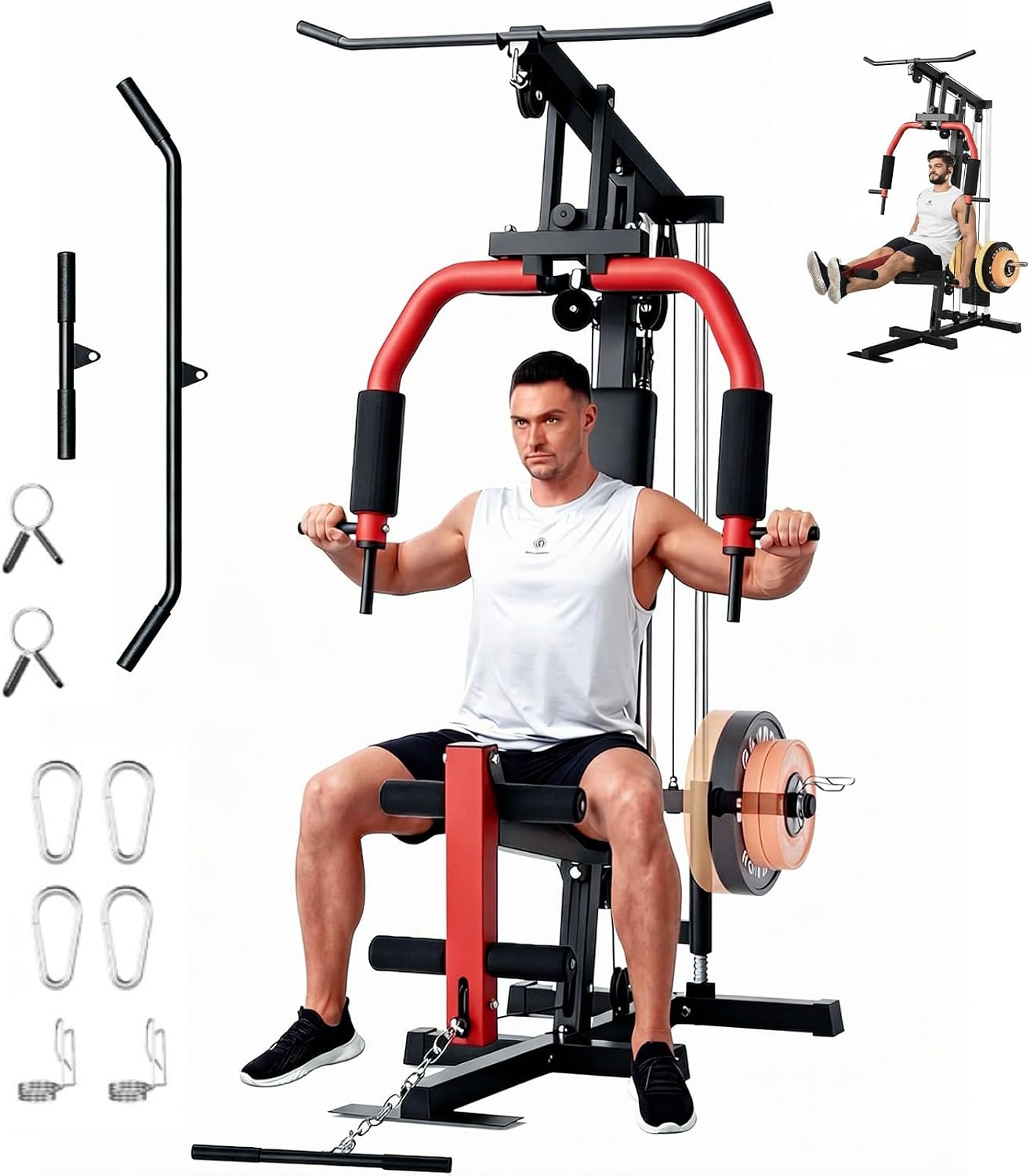
Force USA G3 All-In-One Trainer
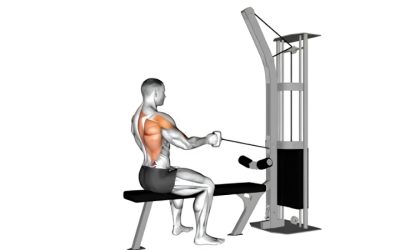
This is the answer for people who want a rack, a Smith machine, dual adjustable cables, and a chin-up bar inside one frame. Swapping between a squat and a cable row takes seconds, which keeps sessions dense when time is short. The trade-off is assembly: expect a long afternoon, a second set of hands, and careful attention to torque specs. Once it’s standing, it replaces most of a small commercial gym’s upper-body selection.
NordicTrack Commercial 1750
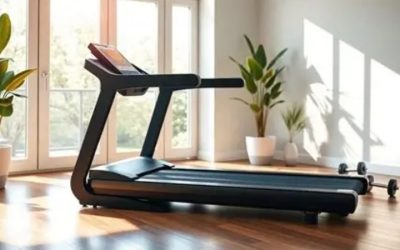
A cushioned deck, a strong motor, and both incline and decline make this treadmill genuinely useful for hill work rather than just flat jogging. The touchscreen pairs with iFIT programming that adjusts grade automatically during guided routes. Two caveats: the folding mechanism reduces storage depth but not weight, so plan its home before delivery, and the best features assume you’ll keep the subscription active. Manual mode still works fine without one.
REP Fitness PR-4000 Power Rack
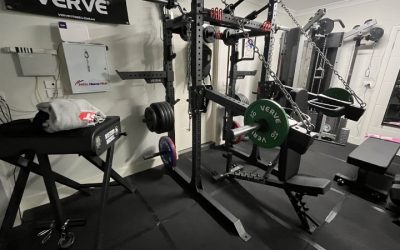
Heavy-gauge steel, 1-inch hardware holes, and a long list of compatible attachments make this rack a platform rather than a product. You configure depth, height, and accessories to your ceiling and your program, then bolt on a lat pulldown or dip bars later. It requires a barbell, plates, and a bench to become a gym, so budget accordingly. For anyone chasing measurable strength numbers, free weights in a solid rack remain unmatched.
Bowflex Xtreme 2SE
Composite rods provide smooth, progressive tension with no plates to load and almost no impact on joints, which suits returning lifters and anyone rehabbing carefully. Dozens of exercises run from one station, and the frame folds when guests arrive. Resistance climbs to a respectable ceiling with add-on rods, but the feel differs from free weights: hardest at the top of the range, lightest at the start. Treat it as an efficient volume tool rather than a strength-record machine.
Schwinn IC4 Indoor Cycle
Magnetic resistance with fine micro-adjustment, a weighted flywheel, and Bluetooth broadcasting to third-party apps make this bike unusually flexible for its price. It’s near-silent, occupies about the space of an armchair, and includes dumbbell holders for off-bike intervals. The stock console is basic and the saddle is a common early upgrade, but the mechanics underneath are honest and low-maintenance. Best choice for apartments where impact noise is the deciding factor.
Frequently Asked Questions
Can one machine really cover everything?
Close, but not entirely. A rower or a functional trainer covers the broadest ground. Realistically, most complete setups pair one cardio piece with one strength piece, which still fits in a spare bedroom or half a garage bay.
Is a folding machine worth the compromise?
Only if you’ll genuinely fold it. Folding mechanisms add moving parts and a little flex, and they rarely reduce weight. If the machine lives in a dedicated corner, choose the sturdier non-folding version instead.
How much should I spend on flooring?
Less than you’d expect. Three-quarter-inch rubber tiles or horse-stall mats handle dropped plates and dampen vibration for a modest cost. Skipping this step is how people damage concrete slabs, laminate, and relationships with downstairs neighbors.
Do I need a subscription for guided workouts?
No. Subscriptions help consistency for people who want a coach’s voice and structured progression. If that’s not you, prioritize machines with useful standalone consoles or open Bluetooth output so you can use free apps and your own programming.
Final Thoughts
Build around the thing you’ll do most often, then add. A rower plus adjustable dumbbells covers general fitness in a shockingly small area. A rack, bar, and plates build strength that transfers everywhere. A quiet bike keeps cardio alive in a third-floor apartment. Pick the piece that fits your measurements and your temperament, put it somewhere you walk past daily, and let the habit accumulate before you expand the collection.
Write Your Review
No reviews yet. Be the first to share your experience!