Key takeaways
- Steam control: Adjustable output is valuable because sealed tile can tolerate more moisture than delicate flooring, while grout benefits from concentrated steam and slower passes.
- Grout accessories: Look for small nylon brushes, scrubbers, or handheld tools that can work directly along grout channels instead of relying on a broad mop pad alone.
- Reach and runtime: A larger tank and longer cord help when cleaning open-plan rooms, porches, mudrooms, and other areas where stopping to refill becomes inconvenient.
- Floor-safe design: Steam is best used on properly sealed tile and grout. Washable pads, a stable mop head, and sensible height adjustment make regular cleaning easier and safer.
- Cleaning style: Choose a lightweight upright for frequent floor touch-ups or a canister model if you want more reach and attachments for windows, upholstery, vehicles, and detailed grout work.
What's inside
Tile floors can handle plenty of daily abuse, but grout lines collect grit, cooking residue, and muddy footprints with surprising speed. The right steam mop can loosen that buildup without relying on a bucket, harsh chemicals, or repeated scrubbing on your hands and knees—especially useful in entryways, mudrooms, kitchens, and outdoor-adjacent living spaces.
This guide focuses on steam mops that combine useful floor coverage with the control needed for grout, textured tile, and high-traffic areas. We look at steam adjustment, reach, attachments, maneuverability, tank capacity, and whether each machine is better suited to quick maintenance or deeper whole-home cleaning.
As an Amazon Associate we earn from qualifying purchases.




How to Choose a/an Steam Mop For Tile Floors And Grout (2026)
- Steam control: Adjustable output is valuable because sealed tile can tolerate more moisture than delicate flooring, while grout benefits from concentrated steam and slower passes.
- Grout accessories: Look for small nylon brushes, scrubbers, or handheld tools that can work directly along grout channels instead of relying on a broad mop pad alone.
- Reach and runtime: A larger tank and longer cord help when cleaning open-plan rooms, porches, mudrooms, and other areas where stopping to refill becomes inconvenient.
- Floor-safe design: Steam is best used on properly sealed tile and grout. Washable pads, a stable mop head, and sensible height adjustment make regular cleaning easier and safer.
- Cleaning style: Choose a lightweight upright for frequent floor touch-ups or a canister model if you want more reach and attachments for windows, upholstery, vehicles, and detailed grout work.
The Best Steam Mop For Tile Floors And Grout (2026)s Reviewed
Best Overall: BISSELL PowerFresh Steam Mop
The BISSELL Steam Mop 1940A PowerFresh Floor Steam Cleaner combines a 12-inch cleaning path with variable steam and an integrated easy scrubber, making it a practical choice for routine tile maintenance. It is especially appealing for kitchens and entryways where broad floor coverage matters, though dedicated grout detailing may still require the included scrubber and a little patience.
Best Multi-Purpose Option: 10-in-1 Detachable Steam Mop
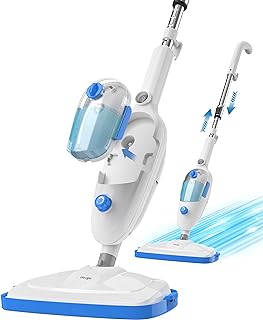
This Steam Mop – 10-in-1 MultiPurpose Handheld Steam Cleaner Detachable Floor Steamer offers a flexible setup for floors, grout, glass, and other household surfaces. Its 11 accessories make it a strong fit for homeowners who want one compact system for indoor cleaning and the occasional muddy gear or utility-area refresh.
Best for Long Reach: 23-Foot-Cord Steam Mop
The Steam Mop for Floor Cleaning, 10in1 Multi Purpose Handheld Steamer Cleaner Detachable includes a 23-foot cord, 15-ounce tank, adjustable steam, and adjustable height. That combination is useful in larger rooms or near patio doors, where frequent outlet changes can interrupt the cleaning rhythm; the detachable design also adds versatility for grout and smaller surfaces.
Best Lightweight Upright: Adjustable-Mode Floor Steamer
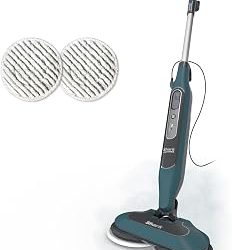
The Steam Mop for Hardwood Floor Cleaning, Floor Steamer Cleaner Lightweight is designed for easy movement across vinyl, laminate, carpet, tile, and other hard floors. Adjustable steam modes and height settings help tailor the machine to different surfaces, while the washable pads make it a sensible pick for regular maintenance in busy homes.
Best for Deep Detailing: McCulloch MC1385
The McCulloch MC1385 Canister Steam Cleaner is the most detail-oriented option here, with 23 accessories including a mop head, brushes, and specialized tools for grout, tile, furniture, carpet, and car interiors. Its canister format is less nimble than an upright for quick spills, but the extended reach and accessory selection are valuable for serious seasonal cleaning.
Frequently Asked Questions
Is steam cleaning safe for tile floors?
Steam cleaning is generally suitable for glazed ceramic and porcelain tile when the manufacturer permits it and the grout is properly sealed. Avoid flooding the floor, test an inconspicuous area first, and follow the flooring maker’s care instructions.
Can a steam mop remove grout stains?
Steam can soften grease, tracked-in soil, and surface residue in grout lines, but it may not remove permanent discoloration, mildew damage, or deteriorated sealant. A small brush attachment and several controlled passes usually work better than simply gliding the mop pad over the area.
Should I use detergent in a steam mop?
Usually not. Most steam mops are designed for clean water only, and adding detergent, fragrance, or other chemicals can damage the machine or leave residue on tile. Check the specific manual before using anything besides water.
How often should tile and grout be steam cleaned?
Lightly used rooms may need steam cleaning only every few weeks, while entryways, kitchens, and homes with pets benefit from more frequent touch-ups. Vacuum or sweep first so grit does not turn into wet abrasive paste under the mop head.
Final Thoughts
For straightforward tile-floor upkeep, the BISSELL PowerFresh is the strongest all-around pick. Choose the 10-in-1 detachable model for broader household versatility, or step up to the McCulloch MC1385 when grout, vehicles, furniture, and detailed seasonal cleaning are part of the plan.