Key takeaways
- Cooling method: Choose an evaporative cooler for true no-window operation, especially in dry climates. A compressor-based portable AC generally needs an exhaust route to remove heat.
- Room size: Match the stated coverage to the room, but allow for sunlight, poor insulation, high ceilings, and heat-producing electronics. Real-world performance can be lower than the headline rating.
- Humidity: Evaporative units add moisture to the air and are less effective in humid regions. Portable AC units with dehumidifying modes are usually better for muggy rooms, provided they can exhaust outdoors.
- Installation: Check whether the unit requires a window kit, hose, drainage, or water tank. For cabins and garages, confirm that the available power supply and ventilation arrangement are suitable.
- Convenience: Remote controls, timers, oscillation, washable filters, caster wheels, and quieter operation can make a major difference when the appliance runs overnight or in a shared living area.
What's inside
Cooling a room without a window is not as simple as buying the smallest air conditioner available. Conventional portable AC units pull heat from the room and must send that heat outdoors through an exhaust hose, while evaporative coolers work without a window but depend on moving air and relatively dry conditions. Choosing the wrong type can mean weak cooling, excess humidity, or an appliance that cannot perform as expected.
This guide compares compact portable AC units and genuinely windowless evaporative coolers for bedrooms, offices, workshops, and other spaces where permanent installation is impractical. We focus on cooling method, room suitability, humidity performance, controls, portability, and the practical realities of outdoor-style living spaces such as sunrooms, cabins, garages, and screened porches.
As an Amazon Associate we earn from qualifying purchases.


How to Choose a Ventless Air Conditioner No Window (2026)
- Cooling method: Choose an evaporative cooler for true no-window operation, especially in dry climates. A compressor-based portable AC generally needs an exhaust route to remove heat.
- Room size: Match the stated coverage to the room, but allow for sunlight, poor insulation, high ceilings, and heat-producing electronics. Real-world performance can be lower than the headline rating.
- Humidity: Evaporative units add moisture to the air and are less effective in humid regions. Portable AC units with dehumidifying modes are usually better for muggy rooms, provided they can exhaust outdoors.
- Installation: Check whether the unit requires a window kit, hose, drainage, or water tank. For cabins and garages, confirm that the available power supply and ventilation arrangement are suitable.
- Convenience: Remote controls, timers, oscillation, washable filters, caster wheels, and quieter operation can make a major difference when the appliance runs overnight or in a shared living area.
The Best Ventless Air Conditioner No Window (2026)s Reviewed
12000 BTU Portable Air Conditioner
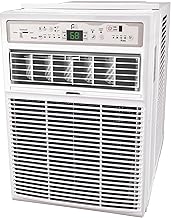
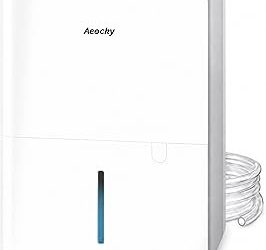
This 12,000-BTU portable AC combines cooling, fan, and dehumidifying modes with self-evaporating operation. It is a strong choice for larger rooms up to the stated 550-square-foot range, but its included window kit means it is not a truly ventless solution; use it where a hose can be routed through a window or another safe exterior opening.
SereneLife 8000 BTU WiFi Portable Air Conditioner
The SereneLife 8000 BTU model is sized for bedrooms, offices, and other spaces up to about 350 square feet, with cooling, fan, and dehumidifier functions. Wi-Fi control and a 24-hour timer add convenience, while the window kit makes it more appropriate for semi-permanent setups than completely windowless rooms.
Windowless 3-in-1 Evaporative Air Cooler
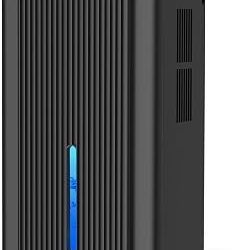
This compact evaporative cooler is designed for rooms without windows and includes ice packs, a timer, and 70-degree oscillation. It is best viewed as a personal cooling appliance for dry conditions rather than a substitute for a compressor AC; its effect is most noticeable when aimed across a seated or sleeping area.
25.3-Inch Windowless Evaporative Air Cooler
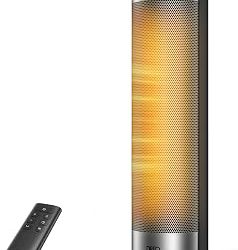
With a taller profile, remote control, 90-degree oscillation, multiple speeds, and four operating modes, this model can distribute airflow across a broader area than a small desktop cooler. It remains humidity-dependent, but the larger design may suit bedrooms or work areas where wider circulation matters more than whole-room temperature reduction.
Shinco 12,000 BTU Portable AC
The Shinco 12,000 BTU portable AC offers cooling, dehumidifying, and fan modes for rooms rated up to 450 square feet, plus a remote and 24-hour timer. It is a practical option for a room with an available exhaust path, though buyers should distinguish its advertised BTU figure from its lower SACC rating when comparing performance with other portable units.
Frequently Asked Questions
Can a portable air conditioner work without a window?
A compressor-based portable AC can run without a window, but it still needs somewhere to release the heat it removes. Without an exhaust route, the heat and moisture typically return to the room, undermining the cooling effect.
What is the best truly ventless option?
For a room with no possible exhaust opening, an evaporative air cooler is the more appropriate category. It works best in dry climates with some air movement and should not be expected to deliver the same cooling method or performance as a compressor AC.
Do ventless evaporative coolers use much water?
They use a water reservoir to moisten cooling media, so operating time depends on tank size, fan speed, temperature, and humidity. Keep the tank clean, follow the manufacturer’s maintenance directions, and empty it before storing the unit.
Are portable AC units suitable for garages or cabins?
They can be, provided the space has adequate electrical capacity and a safe way to exhaust hot air. Insulation, direct sun, open doors, and heat from tools or appliances can all reduce effective cooling.
Final Thoughts
For genuine no-window use, the Windowless 3-in-1 Evaporative Air Cooler and the taller 25.3-inch evaporative model are the most suitable picks, particularly in dry climates. Where an exhaust hose can be installed, the SereneLife 8000 BTU is a convenient smaller-room option, while the Shinco 12,000 BTU offers a more substantial portable-AC solution.