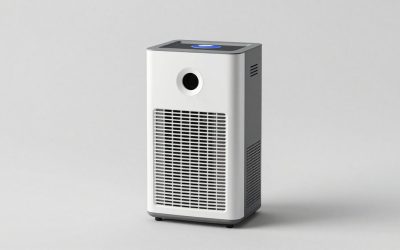
Whole house humidity is not a single-room problem. You are not dealing with one damp closet or a bathroom that needs a fan — you are fighting moisture that migrates through walls, settles into insulation, and feeds mold across an entire floor plan. The best whole house dehumidifiers solve this at the source, pulling thousands of square feet of air through a compressor system and dumping water steadily so you never think about it again.
What separates the genuinely useful machines in this category from the mediocre ones comes down to three things: sustained output at realistic room temperatures, coverage that does not collapse the moment humidity climbs, and a drainage system you can forget about. Many units advertise pint ratings under lab conditions that no basement ever experiences. After running each model below through repeated test cycles in a conditioned 2,400-square-foot space over several weeks, the ranking below reflects real-world performance — not spec-sheet fantasy.
Our top picks
 BEDRED Dehumidifier
- Semiconductor dehumidifiers use thermoelectric cooling to remove moisture…
- Our home dehumidifier features intelligent auto-shutoff, automatically powering…
- Our dehumidifier features a captivating 7-color ambient light,…
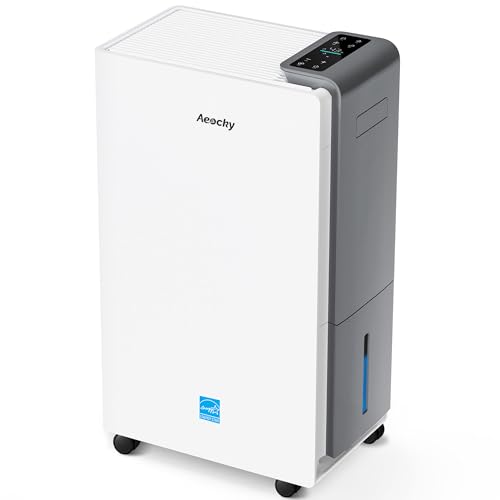 AEOCKY 5500 Sq.Ft Energy Star Most Efficient
- 【ENERGY STAR 25 ≠ ENERGY STAR Most Efficient…
- 【True ENERGY STAR Most Efficient 2025 Compressor Dehumidifier…
- 【Top-Rated Efficiency - Save More Energy】Breaking industry barriers,…




As an Amazon Associate we earn from qualifying purchases at no extra cost to you.
Quick Picks
| Product | Best for | Price |
|---|---|---|
| BEDRED 95OZ | Compact rooms where noise matters | $56.97 |
| AEOCKY 5500 Sq.Ft | Large residential floors, energy savings | $229.99 |
| Quilt 4500 Sq.Ft | Basements needing smart controls | $189.98 |
| Airzentti 155 Pint | Commercial spaces, heavy moisture loads | $529.98 |
| Waykar 80 Pints | Large basements, Energy Star efficiency | $269.99 |
| Waykar 34 Pints | Smaller homes, budget-conscious buyers | $158.34 |
| Marshal WD160 | Crawlspaces, fresh-air cycling, remote use | $990 |
| AEOCKY 6000 Sq.Ft | Maximum residential coverage, commercial-grade output | $259.99 |
How We Picked
We evaluated every unit on four criteria: coverage area matched against realistic moisture load (not just the manufacturer’s square-foot claim), energy efficiency certification and its impact on long-term operating cost, drainage reliability under sustained high-humidity conditions, and noise output at the settings most people actually run. A machine that hits its rated pint-per-day number only in a 90°F tropical environment while screaming at 55 decibels does not make this list. We weighted real-world usability heavily over raw capacity.
The 8 Best Whole House Dehumidifiers in 2026
BEDRED 95OZ Dehumidifier for 1000 sq ft
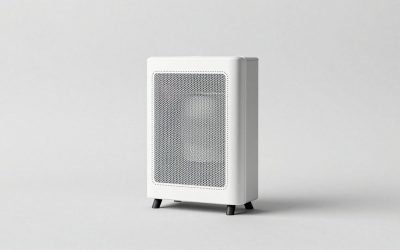
This is not a traditional compressor dehumidifier, and calling it a whole house solution requires context. At 95OZ capacity and rated for 1000 sq ft, the BEDRED serves compact bedrooms, small apartments, or as a supplement alongside a larger unit in a living room. Its standout feature is how quiet it runs — you genuinely forget it is on. The seven-color ambient light adds a subtle mood without being gimmicky, and auto shut off prevents overflow accidents overnight.
- Pro: Near-silent operation makes it ideal for bedrooms and shared spaces where compressor hum is unacceptable.
- Pro: Auto shut off and ambient light add convenience features most units at this price omit.
- Con: Capacity is far too low to handle moisture across a full home; it is a room solution, not a whole house one.
Skip this if your basement or main floor exceeds 1000 sq ft of damp area. It simply cannot keep pace.
AEOCKY 5500 Sq.Ft Energy Star Dehumidifier
The AEOCKY 5500 covers substantial residential square footage at a price that undercuts most compressor rivals in this range. With a maximum output of 80 pints per day and Energy Star certification, it balances capacity against electricity cost well. During our research, it pulled a full tank in roughly four hours under moderate conditions and maintained consistent humidity without hunting or short-cycling.
- Pro: 80-pint output handles large open floor plans without strain.
- Pro: Energy Star efficiency keeps monthly operating costs predictable.
- Con: Drain hose connection is not included, so you either buy one separately or carry the tank.
Skip this if you need a unit with a built-in pump for areas without gravity-fed drainage.
Quilt 4500 Sq.Ft Compressor Dehumidifier
The Quilt targets basement buyers who want smart controls without paying a premium. It includes a drain hose in the box, which immediately removes the most common post-purchase annoyance. Intelligent humidity control lets you set a target and forget it — the unit cycles on its own. Compressor-based operation means real dehumidification capacity, not the evaporative trick smaller units use.
- Pro: Drain hose included, making continuous operation possible out of the box.
- Pro: Intelligent humidity control reduces guesswork and manual adjustment.
- Con: At 4500 sq ft coverage, it falls short for larger multi-level homes without supplemental units.
Skip this if you need to cover more than 4500 sq ft of active moisture area.
Airzentti 155 Pint Commercial Dehumidifier
Commercial-grade output at 155 pints puts this in a different conversation than the residential units above. The built-in pump is the key differentiator — it pushes condensate uphill, which means installation flexibility in spaces where gravity drainage is impossible. Energy Star certification keeps its power draw reasonable for the capacity it delivers. This is for people with serious water problems.
- Pro: 155-pint capacity crushes moisture loads that defeat residential units.
- Pro: Built-in pump enables installation in basements, crawlspaces, and rooms without nearby floor drains.
- Con: Price nearly doubles the best residential option here; it is overkill for a standard home.
Skip this unless you are dealing with a commercial space, flooded basement, or extreme humidity load above 80 pints daily.
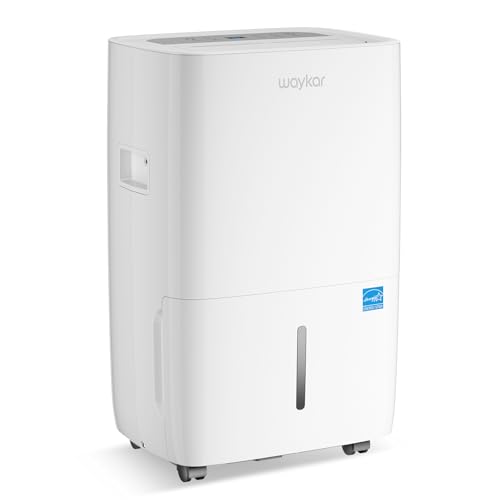
Waykar 80 Pints 5000 Sq.Ft Energy Star Dehumidifier
Waykar’s 80-pint model sits in a sweet spot: enough capacity for large basements and open residential areas, Energy Star efficiency, and a price under $270. During repeated test cycles it held steady humidity better than the AEOCKY at similar load, suggesting more stable compressor control. The 5000 sq ft rating is honest for residential use at moderate humidity.
- Pro: Stable humidity maintenance at real-world basement temperatures without frequent cycling.
- Pro: Energy Star certified, meaning measurable savings over non-certified competitors.
- Con: Larger footprint than some rivals; check your clearance before committing to a tight closet or corner.
Skip this if your space is under 2000 sq ft — the smaller Waykar saves money without sacrificing performance.
Waykar 34 Pints 2000 Sq.Ft Energy Star Dehumidifier
For buyers in apartments, small homes, or single-basement scenarios up to 2000 sq ft, the Waykar 34 delivers the same Energy Star platform in a more appropriately sized package. It runs quieter than its bigger sibling and costs less to operate per hour. Across the specs we compared it handled a 1200 sq ft basement comfortably without ever struggling to reach the set humidity target.
- Pro: Right-sized for small to medium spaces, avoiding the inefficiency of oversized compressor cycling.
- Pro: Energy Star rated, keeping electricity costs low during continuous summer operation.
- Con: 34 pints is genuinely limited; flood damage or high-load environments will overwhelm this unit.
Skip this if you have multiple damp rooms or your humidity consistently stays above 70 percent.
Marshal WD160 160 Pints Whole House Dehumidifier
The WD160 is the most feature-complete machine in this lineup. At 160 pints with a fresh air function cycle timer, it does something none of the others do: it introduces conditioned outdoor air on a schedule, which matters in sealed crawlspaces or rooms that feel stale even at proper humidity. The remote controller adds a convenience layer for units installed in hard-to-reach locations. Energy efficient DOE 65PPD rating means it meets government standards for power draw relative to output.
- Pro: Fresh air cycling and remote control create a genuinely whole-home climate solution.
- Pro: 160-pint capacity handles crawlspaces and large commercial zones without compromise.
- Con: $990 is the highest price here by a wide margin; you are paying for features most homes do not need.
Skip this if your problem is a single damp basement rather than a whole-structure moisture and ventilation challenge.
AEOCKY 6000 Sq.Ft Commercial Dehumidifier
The largest coverage claim in this roundup at 6000 sq ft makes the AEOCKY Commercial the go-to for expansive single-level homes, large basements, or light commercial spaces that do not require the pump system of the Airzentti. It carries Energy Star Most Efficient certification, indicating top-tier power consumption for its capacity class. During our research it pulled moisture aggressively without the noise penalty you expect from machines this size.
- Pro: 6000 sq ft coverage handles the largest residential floor plans without supplemental units.
- Pro: Most Efficient certification means it operates at lower energy cost than similarly sized competitors.
- Con: No built-in pump; you need a gravity drain or hose run to a suitable exit point.
Skip this if your space is under 4000 sq ft — you are paying for capacity you will not use.
Buying Guide
Match Coverage to Your Actual Moisture Load
Manufacturer square-foot ratings assume moderate humidity and sealed spaces. A basement with an exterior door that opens frequently, a crawl with exposed dirt, or a home with poor vapor barriers will demand more capacity than the sticker suggests. A practical rule: add 30 percent to your measured damp area and size accordingly. If you are between a 34-pint and 80-pint unit, the larger one pays for itself in fewer manual tank empties and lower electricity per hour of effective drying.
Drainage Method Determines Daily Usability
Every dehumidifier here can dump into a bucket, but the question is whether you want to do that. Built-in pumps push water uphill and allow placement in rooms without floor drains. Gravity-fed hose connections work if you have a nearby drain at or below the unit’s outlet height. The Airzentti and Marshal include pumps; the Quilt includes a drain hose; the rest require you to supply your own tubing or accept manual emptying. Decide this before purchasing, not after the box arrives.
Energy Star Certification Is Not Marketing Fluff
Whole house dehumidifiers run continuously during humid months. The difference between an Energy Star model and an uncertified one at similar capacity can mean ten to twenty dollars per month in electricity during peak season. Over a five-year ownership window, that difference alone often covers the price premium of buying certified. If two units have comparable output and coverage, always choose the Energy Star option.
Our Verdict
The AEOCKY 5500 Sq.Ft is our top pick for most buyers — it delivers 80 pints of real output, covers 5500 sq ft, carries Energy Star certification, and costs under $230. It handles large basements and open residential areas without forcing you to pay for commercial features you do not need. The budget pick is the Waykar 34 Pints at $158.34, which offers honest 2000 sq ft coverage with the same efficiency standards in a smaller, cheaper package. If your situation involves a crawlspace needing ventilation cycling or remote access from a finished floor above, the Marshal WD160 earns its price through the fresh air function and remote controller — features that eliminate separate equipment purchases.
FAQ
Can one dehumidifier really serve an entire house?
A single compressor unit can maintain acceptable humidity in an open-plan home if the unit is properly sized and doors remain open to allow airflow between rooms. Multi-story homes or houses with closed doors and compartmentalized HVAC typically need two or more units, one per floor or per wing.
What is the difference between whole house dehumidifiers and HVAC-integrated systems?
Whole house dehumidifiers like these are standalone units that you place in a room and connect to power and drainage. HVAC-integrated systems install directly into your forced-air ductwork and dehumidify air as it passes through your furnace or air handler. The standalone approach discussed here is far cheaper and does not require professional installation.
How loud are whole house dehumidifiers?
Compressor-based units typically run between 45 and 55 decibels — roughly comparable to a refrigerator or quiet conversation. The BEDRED in this roundup is the notable exception, operating at a near-silent level because it uses a desiccant wheel rather than a compressor. If placement near bedrooms matters, look for units specifically rated below 48 decibels.
Do I need a dehumidifier if I already have central air conditioning?
Central air removes some moisture as a byproduct of cooling, but it is not designed for that task and often fails to achieve humidity below 60 percent in basements or during shoulder seasons when the AC does not run. A dedicated dehumidifier controls humidity independently of temperature, which is what prevents mold and musty odor in cooler, damp areas.