Living with dogs, cats, and other furry companions brings immense joy, but persistent household odors from litter boxes, damp fur, and floating dander can quickly overwhelm your living space. While standard air filters capture physical particles, addressing stubborn biological smells often requires a multi-layered decontamination approach, leading many pet owners to consider UV-C sterilizing technology. However, navigating the market can be challenging because manufacturers frequently blur the line between basic particulate filtration and actual chemical odor elimination.
To make a smart purchasing decision, you need to look beyond flashy marketing claims and focus on the specifications that genuinely neutralize pet smells and purify indoor air. Understanding how ultraviolet germicidal irradiation works in tandem with mechanical filtration will ensure your home stays fresh without wasting money on ineffective features or hazardous hardware.
As an Amazon Associate we earn from qualifying purchases at no extra cost to you.

Understanding the Role of UV-C Light in Pet Odor Control
It is important to clarify what ultraviolet-C light can and cannot do when it comes to managing pets. UV-C light is engineered to neutralize biological pollutants, including airborne bacteria, mold spores, and viruses, by disrupting their cellular DNA. This is highly effective at reducing the funky, musty smells often associated with pet dander and microbial growth in carpets or upholstery.
However, UV-C light does not magically destroy chemical compounds like ammonia found in cat urine or the volatile organic compounds (VOCs) tied to pet food and body oils. Therefore, relying solely on a UV-C lamp without adequate physical filtration will leave chemical pet odors lingering in your rooms. The ultraviolet feature should always be viewed as a sanitizing booster rather than a standalone odor vacuum.
Prioritizing True HEPA Filtration Alongside UV-C
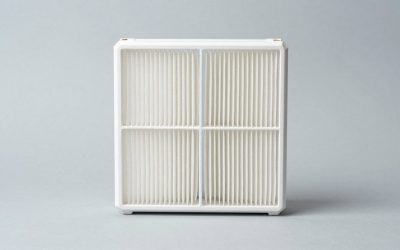
The backbone of any effective pet air purifier is a certified True HEPA filter. Shedding fur, microscopic skin flakes, and dried saliva particles are the primary physical sources of pet odors and allergens. A high-efficiency particulate air filter captures 99.97 percent of airborne particles down to 0.3 microns in size, trapping the physical debris before it can settle.
When you combine True HEPA with a UV-C sterilizing stage, you create a dual-action system. The physical filter traps the dander and hair, while the UV-C bulb sterilizes the microorganisms trapped on or passing through the filter media. Without a robust HEPA core, a UV-C purifier simply treats passing air without removing the heavy load of pet hair circulating in your home.
Evaluating Activated Carbon Thickness for Urine and Dander Smells
If your primary battle is against sharp urine smells or general pet funk, activated carbon is your most valuable asset. Carbon adsorption works by trapping gas molecules within a vast network of microscopic pores. When evaluating units, look closely at the depth and weight of the carbon bed rather than just looking for a thin mesh lining.
Many budget purifiers include a paper-thin carbon pre-filter that loses its effectiveness within a few weeks of heavy pet use. Premium models utilize pelletized carbon or thick honeycomb matrices designed to capture heavy pet odors over months of continuous operation. Ensure your chosen UV-C purifier pairs its sterilization lamp with a substantial carbon stage to tackle both the biological and chemical sides of pet smells.
Sizing the Unit Correctly for Multi-Pet Households
Air purifiers are rated based on Clean Air Delivery Rate (CADR) and recommended square footage, but multi-room or multi-pet homes require a more aggressive sizing strategy. If you have several dogs or multiple litter boxes concentrated in one area, a standard bedroom unit will quickly become overwhelmed by the sheer volume of dander and organic dust.
Look for models that specify a high CADR for smoke, dust, and pollen, as these metrics scale well for pet environments. Ideally, the purifier should be capable of performing at least four to five complete air changes per hour in your primary pet zones. Placing a correctly sized unit near heavy-traffic pet areas ensures that odors are captured at the source before they diffuse throughout the entire house.
Avoiding Ozone Emissions and Unsafe Bulb Technologies
Safety is a critical consideration when introducing any electrical sterilizing device into a home shared with sensitive animals. Some older or poorly manufactured UV-C lamps produce ozone as a byproduct, which can severely irritate the respiratory tracts of both humans and pets, particularly cats and birds.
Always verify that any device you consider is certified ozone-free or meets stringent state air resource board emissions standards. Furthermore, ensure the UV-C bulb is fully enclosed within the metal or heavy plastic housing of the purifier. Exposed ultraviolet light can cause eye and skin irritation, so shielded designs with automatic shut-off safety switches when panels are opened are essential for pet-friendly households.
Factoring in Replacement Costs for Bulbs and Filters
Owning a sterilizing air purifier involves ongoing maintenance expenses that go beyond the initial purchase price. Unlike standard filters, UV-C bulbs degrade over time and lose their germicidal potency even if they still emit visible blue light. Most manufacturers recommend replacing the UV-C lamp every 6 to 12 months.
Before committing to a specific brand, check the availability and retail price of replacement bulbs and combination filter cartridges. Factoring in these yearly maintenance costs will prevent unexpected surprises and ensure your system continues to effectively neutralize pet odors for years to come.
Related Guides
To see how top-performing units compare in real-world testing environments, check out our comprehensive Best Uv C Sterilizing Air Purifiers for Pet Odors in 2026: Compared and Ranked guide.
FAQ
Does UV-C light eliminate pet urine odors?
No, UV-C light is designed to neutralize biological contaminants like bacteria and viruses rather than chemical gas molecules. To effectively combat sharp urine smells, the air purifier must feature a thick activated carbon filter in addition to the sterilization lamp.
How often do UV-C bulbs need to be replaced in an air purifier?
Most UV-C lamps lose their germicidal effectiveness after six to twelve months of continuous operation. Even if the bulb still lights up, the intensity drops below the threshold required for proper sterilization, necessitating a routine replacement.
Are UV-C air purifiers safe for cats and dogs?
Yes, provided the UV-C bulb is entirely enclosed within the internal chamber of the device with no light leakage. You should also ensure the unit is certified ozone-free to prevent respiratory irritation for your pets.
Can a UV-C purifier replace regular cleaning of pet areas?
An air purifier significantly reduces airborne dander and ambient odors, but it cannot replace routine physical cleaning. Vacuuming carpets, washing pet bedding, and maintaining litter boxes remain essential steps in keeping a truly clean home.