
Key takeaways
- Seat to tabletop: 10-12 inches of space. A 17.5-inch seat with a 29-inch table gives you 11.5 inches — ideal.
- Arm height clearance: If the chair has arms, the top of the arm should be 7-9 inches below the tabletop so it can tuck under. Many 25-26 inch arm heights will not fit under a standard 29-inch table with an apron.
- Spacing per person: Allow 24-28 inches of table edge per dining chair and 36-42 inches of pull-out clearance behind the chair from the table edge to a wall or railing. In a 10×12 ft patio, a 60×38 inch rectangular table with four dining chairs needs a minimum 10×8 ft footprint once you account for pull-out space.
- Weight limits: Most resin and aluminum dining chairs are rated 250-300 lbs; steel-framed and teak dining chairs often rate 300-350 lbs. Check static weight rating, not just look.
What's inside
- How Chair Height, Depth, and Stackability Define the Three Types
- Dining Chairs: Getting the Table Match Right
- Lounge Chairs: When Deep Seats Help and When They Hurt
- Stackable Chairs: Built for Small Spaces and Seasonal Storage
- Material and Construction Trade-Offs
- Decision Matrix: Match Your Situation to the Right Chair
- Assembly, Moving, and Durability Realities
- FAQ
Outdoor patio chairs fall into three distinct categories: dining chairs (17-19 inch seat height for 28-30 inch tables), lounge chairs (12-15 inch seat height with 20-24 inch seat depth), and stackable chairs (lightweight frames designed to store vertically 4-8 high) — and choosing the wrong height or depth is the main reason a patio feels uncomfortable even when the furniture looks right.
- How Chair Height, Depth, and Stackability Define the Three Types
- Dining Chairs: Getting the Table Match Right
- Lounge Chairs: When Deep Seats Help and When They Hurt
- Stackable Chairs: Built for Small Spaces and Seasonal Storage
- Material and Construction Trade-Offs
- Decision Matrix: Match Your Situation to the Right Chair
- Assembly, Moving, and Durability Realities
- FAQ
How Chair Height, Depth, and Stackability Define the Three Types
The difference isn’t just style. Seat height determines whether you can eat comfortably, seat depth determines whether you can lounge without needing a footstool, and stackability determines whether you can actually store the chairs in winter or clear space for a small balcony.

Sweetcrispy Zero Gravity Chairs Set of 2, Outdoor Folding Reclining Lounge Chair with Cup Holder Tray & Adjustable Pillow, Portable Camping Beach Patio Poolside Lawn Yard Chair, Classic Blue
Included for 'Outdoor Patio Chairs: Lounge, Dining and Stackable Options Explained' because the listing specifies Portable Camping Beach Patio Poolside Lawn Yard Chair and Classic Blue, details this guide uses to compare options.
View on Amazon
CHINNLUU Outdoor Patio Chairs Set of 4 Stackable Dining Chairs All-Weather Textilene Furniture Set for Pool Deck, Backyard, Garden
Included for 'Outdoor Patio Chairs: Lounge, Dining and Stackable Options Explained' because the listing specifies Backyard and Garden, details this guide uses to compare options.
View on Amazon
NUU GARDEN Set of 2 Patio Dining Chairs All Weather Outdoor Padded Textilene Chairs with High Back and Spring Motion Design Breathable Outdoor Dining Chairs for Deck Lawn Backyard Grey
Included for 'Outdoor Patio Chairs: Lounge, Dining and Stackable Options Explained' as a relevant option in this category; details come from the product listing.
View on Amazon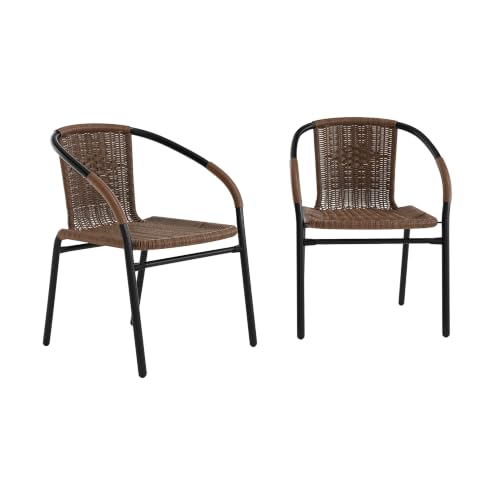
Flash Furniture Lila Modern Rattan Indoor/Outdoor Stackable Dining Chairs, Stacking Rattan Bistro Chairs for Patio or Restaurant, Set of 2, Brown
Included for 'Outdoor Patio Chairs: Lounge, Dining and Stackable Options Explained' because the listing specifies Stacking Rattan Bistro Chairs for Patio or Restaurant and Set of 2, details this guide uses to compare options.
View on Amazon| Chair Type | Seat Height | Seat Depth | Overall Height / Back Support | Typical Weight | Stackable? |
|---|---|---|---|---|---|
| Dining Chair | 17-19 inches | 16-18 inches | 33-35 inches, upright back | 12-25 lbs | Sometimes (2-4 high if designed for it) |
| Lounge / Club Chair | 12-15 inches | 20-26 inches | 26-31 inches, reclined back 100-110 degrees | 30-60 lbs | Rarely |
| Stackable Dining / Side Chair | 17-18 inches | 16-17 inches | 31-34 inches, low to mid back | 8-15 lbs | Yes, 4-8 high |
| Adirondack / Deep Lounge | 13-14 inches | 19-22 inches (with slanted back) | 34-38 inches, deeply reclined | 35-55 lbs | No |
If you already own a table, measure from the floor to the underside of the table apron — you need 10-12 inches of clearance between the chair seat and that apron for thighs to slide under comfortably.
Dining Chairs: Getting the Table Match Right
Standard outdoor dining tables are 28-30 inches high. Counter-height patio tables are 34-36 inches high and require 24-26 inch seat height stools, not regular dining chairs. Mixing these up is a common buying mistake.
For comfortable dining, look for this relationship:
- Seat to tabletop: 10-12 inches of space. A 17.5-inch seat with a 29-inch table gives you 11.5 inches — ideal.
- Arm height clearance: If the chair has arms, the top of the arm should be 7-9 inches below the tabletop so it can tuck under. Many 25-26 inch arm heights will not fit under a standard 29-inch table with an apron.
- Spacing per person: Allow 24-28 inches of table edge per dining chair and 36-42 inches of pull-out clearance behind the chair from the table edge to a wall or railing. In a 10×12 ft patio, a 60×38 inch rectangular table with four dining chairs needs a minimum 10×8 ft footprint once you account for pull-out space.
- Weight limits: Most resin and aluminum dining chairs are rated 250-300 lbs; steel-framed and teak dining chairs often rate 300-350 lbs. Check static weight rating, not just look.
Choose dining chairs with an upright back angle (95-100 degrees) and a firm, slightly contoured seat. Cushions thicker than 2 inches will raise your effective seat height and reduce thigh clearance, so if you add cushions, start with a slightly lower 17-inch frame.
Lounge Chairs: When Deep Seats Help and When They Hurt
Lounge chairs are built for reclining, not eating. A typical lounge chair seat is 4-6 inches lower than a dining chair and 4-8 inches deeper. That low, deep position supports your legs and back for reading or conversation but puts a standard 29-inch dining table at chest height, which is unusable for meals.
Use this guide to decide if lounge depth fits you:
- Best for: Poolside areas, conversation corners with a low coffee table (16-18 inches high), covered porches where you want to put your feet up. Pair with a side table 18-22 inches high that aligns with the armrest.
- Check your height: If you are under 5’4″, a 24+ inch seat depth can leave your feet dangling or force you to slouch to reach the backrest. Look for 20-22 inch depth or add a lumbar pillow to shorten the effective depth by 3-4 inches.
- Space reality: A pair of lounge chairs with a coffee table needs at least an 8×8 ft zone. Each lounge chair is typically 28-33 inches wide and 30-36 inches deep when upright — nearly double the footprint of a stackable dining chair.
- Getting up easily: Lower seats (12-13 inches) are harder on knees and backs. If mobility is a concern, choose a lounge height of 14-15 inches or add 3-inch cushions to raise height without buying a different frame.
Adirondack chairs are a subset with an aggressively sloped seat and back. They are excellent for casual lounging but poor for dining or for people who prefer upright posture — you cannot sit upright to use a side table comfortably.
Stackable Chairs: Built for Small Spaces and Seasonal Storage
Stackable chairs solve the storage problem that makes many people avoid outdoor furniture altogether. A true stackable design has tapered legs and a flexible or open frame that nests, with built-in spacers or feet to prevent scratching when stacked.
- How many can you stack: Resin and aluminum side chairs typically stack 6-8 high (about 60-70 inches total height). Steel or wood-look resin stacks 4-6 high. Never stack beyond the manufacturer’s listed number — stability drops sharply.
- Storage footprint: Four stacked chairs occupy about 24×24 inches of floor space and stand 45-55 inches tall, small enough for a garage corner, balcony storage box, or 30-inch wide doorway. Four non-stackable lounge chairs need 40+ sq ft stored side-by-side.
- Weight matters: A stackable aluminum chair weighs 8-12 lbs, so you can carry two at once to clear space for entertaining. A teak lounge chair at 45 lbs is a two-person move.
- Durability trade-off: To keep weight low, stackable chairs use thinner tubing (typically 1-1.2mm wall aluminum) and flexible slats. They flex more and dent more easily than a heavy 2mm-wall aluminum dining chair, but they resist rust and handle frequent moving better than wicker.
If you have a balcony under 6×10 ft or need to bring chairs inside during winter, prioritize stackable dining chairs even if you prefer the look of a heavier lounge set. You can add a separate single lounge chair for relaxing and keep the dining function stackable.
Material and Construction Trade-Offs
Material determines weight, maintenance, how hot the chair gets in sun, and what fails first.
| Material | Usually $ Price Range per Chair | Weather Resistance | Heat in Direct Sun | What Wears First |
|---|---|---|---|---|
| Powder-Coated Aluminum | usually $80–$250 | Excellent, will not rust | Moderate, stays cooler than steel | Powder coat chips at feet/stacking points, sling fabric stretches after 3-5 seasons |
| Steel (powder-coated) | usually $100–$300 | Good if coating intact; rusts if chipped to bare metal | Hot — can reach 140°F+ in sun | Rust at welds and foot caps, heavier to move |
| Teak / Acacia Solid Wood | usually $250–$600 | Very good (teak), moderate (acacia needs sealing) | Low — wood stays comfortable | Finish weathers to gray, joints loosen if not stainless hardware; acacia can crack without oiling |
| All-Weather Wicker (resin over aluminum frame) | usually $150–$400 | Good — resin resists UV and moisture | Low to moderate | Wicker wrapping frays at arm edges, cushions hold moisture if not quick-dry foam |
| Polypropylene / Resin (molded) | usually $40–$120 | Excellent, lightweight | Moderate | Fades after 4-6 years in strong UV, can become brittle in extreme cold |
| HDPE Lumber (poly lumber) | usually $200–$500 | Excellent — made from recycled plastic lumber | Low | Heavy (40+ lbs), can sag if spans are long and unsupported |
For cushions, look for quick-dry open-cell foam (often labeled reticulated foam) and solution-dyed acrylic fabric such as Sunbrella or similar. Standard polyester cushions and high-density indoor foam (1.5-1.8 lb density) hold water for hours and develop mildew. Foam density of 1.8 lbs/cu ft or higher with a drainable mesh bottom lasts significantly longer outdoors.
Decision Matrix: Match Your Situation to the Right Chair
Use your primary constraint — space, dining need, or storage — to choose first, then filter by comfort preference.
| Your Situation | Best Fit | Why |
|---|---|---|
| Small balcony or 10×10 ft patio, eat outdoors regularly | 4 stackable dining chairs + 28-30 inch bistro/dining table | Tucks tight, stacks to clear floor, correct height for eating |
| Large deck with separate dining set, want a conversation area | 2-4 lounge chairs + 16-18 inch coffee table | Low height matches low table, deep seat supports lounging |
| Renters who move yearly or store furniture indoors | Aluminum or resin stackable chairs (under 12 lbs each) | Light to carry through 28-32 inch doorways, no tools to disassemble |
| Kids and pets, frequent spills | Resin, aluminum sling, or HDPE lumber without cushions | Wipe-clean, no cushion to soak, no wicker to snag or chew |
| Back pain or difficulty standing from low seats | Dining-height chair (17-19 inches) with firm seat and upright back, or lounge at 15 inches with lumbar pillow | Higher seat reduces knee strain; firm support prevents slouching |
| Want one set to do both dining and lounging | Dining chairs with mid-depth 18-19 inches + add ottoman or side lounge chair | Compromise depth lets you eat and recline slightly without a second full set |
Assembly, Moving, and Durability Realities
Product listings rarely mention how the chair arrives and what fails after one season.
- Box weight and doorways: A set of two aluminum dining chairs often ships in one 35-45 lb box (32x26x28 inches). A single HDPE Adirondack can ship at 50-65 lbs. Measure your elevator or stairwell — 28-inch boxes clear standard 30-inch apartment doors, but 32+ inch boxes may not turn in tight hallways.
- Assembly time: Stackable resin and aluminum chairs usually come fully assembled or need only foot caps — under 5 minutes. Wicker and wood lounge chairs typically require 20-40 minutes per chair, with 8-12 bolts. You will need a second person to hold the frame square while tightening.
- What wears first: On metal chairs, the foot glides and stacking bumpers wear or fall off, then the frame scratches and rust starts at the bare spot. On wicker, the resin strands loosen where arms flex. On wood, the joint between seat and back leg loosens first. Check that replacement glides and hardware are available before you buy.
- Winter storage: Even “all-weather” furniture lasts longer if stored or covered. Stack chairs no more than the rated number, cover with breathable covers (not plastic tarps that trap condensation), and store cushions upright indoors. Chairs left stacked 8-high in wind can topple — strap or store against a wall.
- Floor protection: On composite decking, soft plastic glides prevent scratching better than felt, which holds grit. On concrete, add rubber caps to stop sliding. On grass, wider feet (2+ inch diameter) prevent sinking.
Before ordering, tape out the footprint on your patio with painter’s tape: mark the table plus 36 inches on all sides where chairs pull out. Sit in a chair type at that height if possible — a 2-inch difference in seat height changes comfort more than any cushion.
FAQ
Can I use lounge chairs with a dining table if I add cushions?
Raising a 14-inch lounge chair with a 4-inch cushion to 18 inches still leaves the deep 22-24 inch seat depth and reclined back angle. You will sit too far from the table edge and strain forward to eat. For dining, start with a dining-height frame.
How many outdoor chairs fit on a small 8×10 ft balcony?
Comfortably, two dining chairs with a 36-inch round bistro table, or four stackable side chairs with a 48-inch rectangular table pushed against a railing — but you will need to stack two chairs to move around. Four lounge chairs will not fit with pull-out space.
Are stackable chairs comfortable for long dinners?
Mid-range stackable chairs with a contoured seat and slight flex are comfortable for 1-2 hours. For 3+ hour gatherings, add a thin 1-1.5 inch quick-dry cushion or choose a stackable design with a curved back rather than a flat slat back, which creates pressure points.


