Shopping for supplementary zone heating can feel overwhelming, especially with the advanced technology hitting the market in 2026. Infrared cabinet heaters have evolved far beyond simple glowing boxes, offering sophisticated aesthetic designs, improved safety mechanisms, and targeted warmth that mimics natural sunlight. Unlike traditional forced-air systems that dry out ambient air and heat the ceiling first, these units warm solid objects and people directly in the room, creating a more enveloping and efficient layer of comfort.
Whether you are trying to take the chill out of a drafty basement workshop, a converted sunroom, or an open-concept living area, selecting the right model depends on matching the unit’s core performance to your specific physical space. Making an informed choice prevents wasted electricity, ensures continuous household safety, and guarantees that your investment delivers reliable performance when winter temperatures plunge. Let’s break down the critical factors that genuinely matter when shopping for an infrared cabinet heater.
As an Amazon Associate we earn from qualifying purchases at no extra cost to you.
Understanding Infrared Heat Delivery
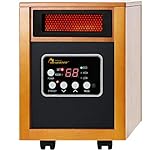
The primary advantage of infrared technology is its ability to transfer heat directly to objects and individuals rather than aggressively cycling air throughout the entire room. When evaluating cabinet styles, look closely at the type of infrared elements used inside the wooden or metal enclosure, such as quartz bulbs or wrapped carbon fiber elements. Quartz elements typically provide instant, intense directional warmth, while carbon-based systems distribute a softer, more ambient warmth over a slightly wider dispersal angle. Understanding how you intend to use the space helps determine which heating element style matches your comfort preferences.
Calculating Sizing and Power Needs
A common mistake buyers make is assuming a larger cabinet automatically translates to better heating performance. In reality, heating capacity is dictated by electrical output and the efficiency of the internal heat exchangers. Most standard household units operate on normal electrical circuits, meaning their maximum output is bound by standard amperage limits. When assessing a room, look at square footage guidelines provided by manufacturers as a baseline, but always downgrade expectations if your room features high vaulted ceilings, poor insulation, or single-pane windows that rapidly bleed thermal energy.
Prioritizing Core Safety Features
Because these heaters operate at high temperatures internally, safety should never be compromised for aesthetics. A reliable cabinet heater must feature an active tip-over switch that instantly cuts power if the unit is bumped or knocked off balance. Additionally, look for internal thermal cutoff sensors that monitor for overheating and shut the system down before components reach dangerous thresholds. The exterior housing should remain cool or only warm to the touch during operation, preventing accidental burns for children and pets who wander close to the equipment.
Evaluating Build Quality and Portability
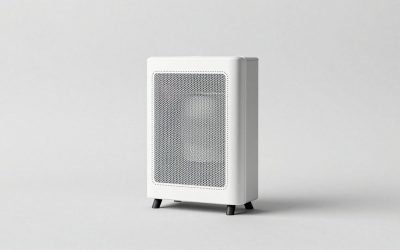
Infrared cabinet heaters are typically heavier than standard ceramic space heaters due to their dense wooden or reinforced polymer outer housings. Because of this weight, smooth-rolling caster wheels and integrated side handles are essential design elements rather than optional perks. Inspect the joints, caster attachments, and cord management systems. A sturdy chassis ensures the unit can be rolled smoothly across different flooring types—from thick carpets to hard tile—without straining the internal frame or loosening critical wiring harnesses.
Smart Thermostats and Efficiency Controls
Energy efficiency heavily relies on how intelligently the heater manages its power consumption once the target temperature is reached. Digital thermostats with precise degree adjustments are vastly superior to old-fashioned analog dials with arbitrary high-medium-low settings. Look for units featuring eco-modes that automatically cycle the heating elements down to lower wattages once the room approaches your desired temperature, preventing the energy spikes common with basic on-off cycling.
Related Guides
To explore more targeted heating solutions for your home or workshop, check out our curated resources. If you are comparing top-tier models, our best infrared cabinet heaters roundup provides comprehensive testing insights. For alternative spaces like uninsulated outbuildings, review our picks for propane garage heaters. Alternatively, if you need combustion-based solutions for well-ventilated areas, our guide on indoor propane heaters offers expert recommendations.
FAQ
Do infrared cabinet heaters dry out the air?
No, infrared technology does not burn oxygen or rapidly dry out the ambient humidity in a room the way traditional forced-air resistance heaters do. This makes them much more comfortable for individuals with sensitive sinuses or respiratory conditions.
Can I plug an infrared cabinet heater into an extension cord?
You should never plug a high-wattage cabinet heater into an extension cord or power strip, as these accessories can overheat and cause electrical fires. Always plug the unit directly into a properly rated wall outlet on its own dedicated circuit whenever possible.
How close can the cabinet be placed to furniture or walls?
Most manufacturers recommend maintaining a clearance of at least three feet around the front of the unit and several inches from walls to allow for proper airflow. Always consult the specific user manual for your chosen model to ensure safe clearance distances.
Do infrared heaters reduce electric bills?
They can lower your overall heating costs if used for targeted zone heating rather than running your central furnace to heat unused rooms. By keeping the main thermostat lower and heating only the room you are occupying, you conserve significant energy.